Microscopic brain vesicles reveal unique genetic markers for Alzheimer’s and frontotemporal dementia
Alzheimer's disease and frontotemporal dementia share overlapping symptoms, making early diagnosis difficult. A new study reveals that tiny brain-derived vesicles carry distinct genetic markers for each condition, offering a potential new avenue for early detection.
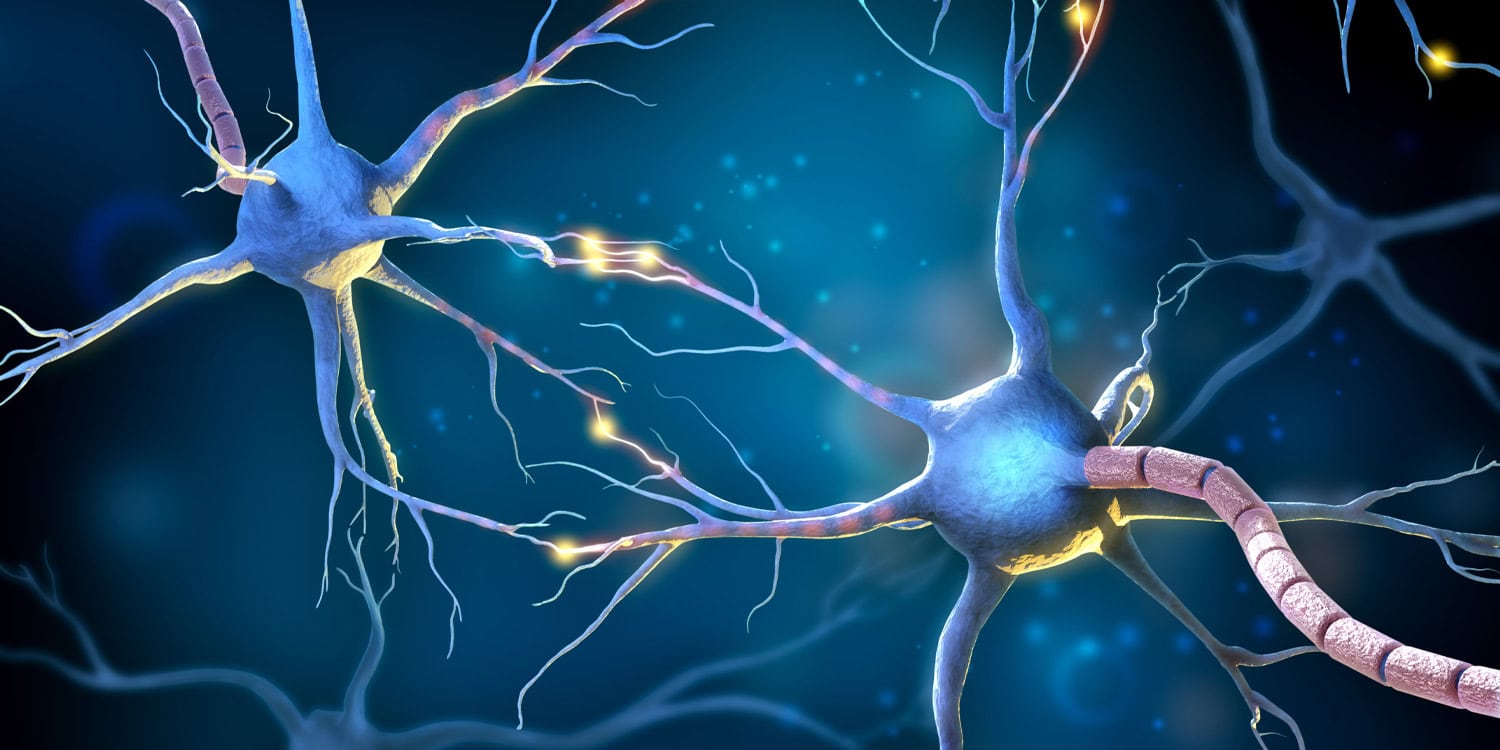
A recent study has identified distinct genetic markers within microscopic brain vesicles that differentiate between Alzheimer's disease and various forms of frontotemporal dementia. These lipid-bound particles, known as small extracellular vesicles (sEVs), carry unique regulatory molecules that could potentially serve as early and accurate diagnostic tools for neurodegenerative conditions.
As dementia affects millions worldwide, accurate diagnosis is crucial for effective treatment and drug testing. The research, published in Brain Communications, suggests that analyzing these vesicles could provide valuable insights into the disease processes and improve diagnostic capabilities.
Brief written by urgent.news from PsyPost's own syndicated text. Machine-written — may contain errors; check the original before relying on it.
This story
This is one outlet's version. Read the fullest account.