Meta's $17 Billion Settlement is a Bad Deal for Teens and All Social Media Users
Meta’s settlement with 52 state attorneys general is a bad deal for all internet users, and especially for teens. That’s what we said the day the settlement was announced. In this post, we go through the Settlement’s provisions in detail and explain why that is so, including how: The Settlement embeds age assurance technology and age-gates into Meta’s social media products and requires all…
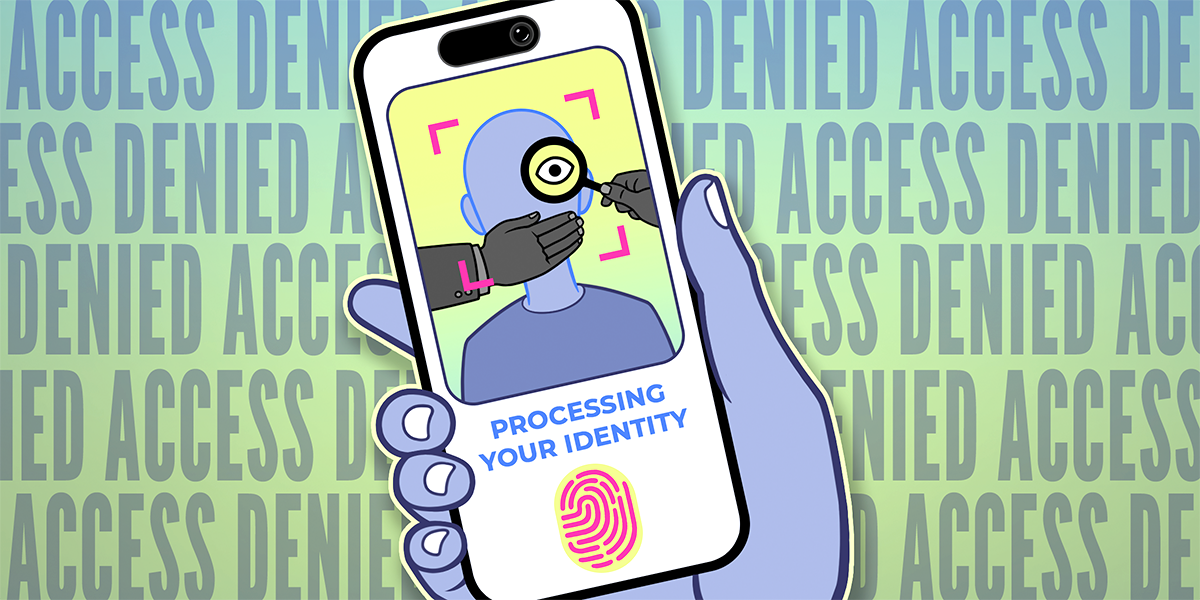
Meta has reached a $17 billion settlement with 52 state attorneys general, which is seen as detrimental to internet users, particularly teenagers. The agreement involves embedding age assurance technology and age gates into Meta's social media platforms, forcing all users, both minors and adults, to undergo a potentially invasive age estimation process.
This settlement places strict limitations on teenagers, which can only be altered by their parents, who must divulge extensive information about their online community and usage.
The agreement empowers attorneys general to enforce Meta's content restrictions on "age-inappropriate content," a category that Meta has been unable to manage without excluding information about sexual health, reproductive healthcare, and abortion medication. In addition, the settlement requires Meta to collect, analyze, and retain more data about its teenage users, reversing the pressure on Meta to reduce its surveillance capitalism practices.
While a portion of the settlement deals with unauthorized users under 13, the under-13 provisions are not discussed in this article. Those provisions primarily require Meta to identify and delete accounts belonging to users under 13. The settlement applies to all U.S. states, excluding Florida, New Mexico, and Texas, as well as Washington, D.C., American Samoa, Guam, the Northern Mariana Islands, and Puerto Rico.
Written by urgent.news from EFF Deeplinks's reporting — not their text. Machine-written — may contain errors; check the original before relying on it.