Kommentar: Deutschland braucht einen Mark-Carney-Moment für die Ukraine
Washington sucht wieder den direkten Draht nach Moskau. Europa droht dabei zum Zuschauer zu werden. Deutschland sollte Trumps Russland-Kurs öffentlich widersprechen.
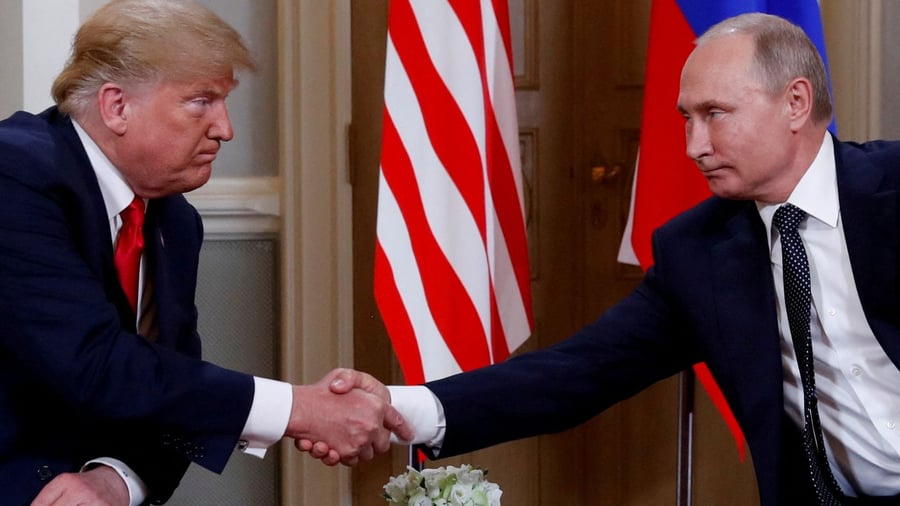
The article highlights the consensus among the United States and Europe to isolate and pressure Russia. This stance was largely unified despite differences between the two parties. The potential for a break in this unity was evident after a recent G20 finance minister meeting in the United States. The meeting began with an affront as Russian Finance Minister Anton Siluanov, for the first time in four years, joined the table on the initiative of the host country.
This move came just days after the U.S. government had unilaterally extended an invitation to Siluanov, disregarding the concerns of its allies.
The article points out the pattern of the U.S. placing ministers in situations where they would be seated at the table without proper prior notification. This approach has become a standard practice in recent times, including the U.S. bombardment in Venezuela, the commencement of the Iran war, and the reduction of NATO's military presence in Europe. The U.S. has been employing a "black-box" policy, which has become the norm under the Trump administration.
The most concerning aspect for Europe and Germany is the unilateral approach taken by the U.S. in Russia policy. Following the incident involving a bomb-like device at Leipzig/Halle Airport, German Chancellor Friedrich Merz is now in a difficult position, forced to clearly accuse Russia. The article emphasizes the need for the U.S. and Europe to work together in addressing this issue, suggesting that a "Mark-Carney moment" could be necessary for Germany to support Ukraine.
Written by urgent.news from Handelsblatt's reporting — not their text. Machine-written — may contain errors; check the original before relying on it.
This story
This is one outlet's version. Read the fullest account.