Jurang antara retorik, dasar PAS buat bukan Islam terus berwaspada
Pengundi bukan Islam menilai PAS berdasarkan pelaksanaan dasar di negeri ditadbirnya dan sejauh mana retorik pemimpin selari dengan tindakan, bukan sekadar janji manifesto.
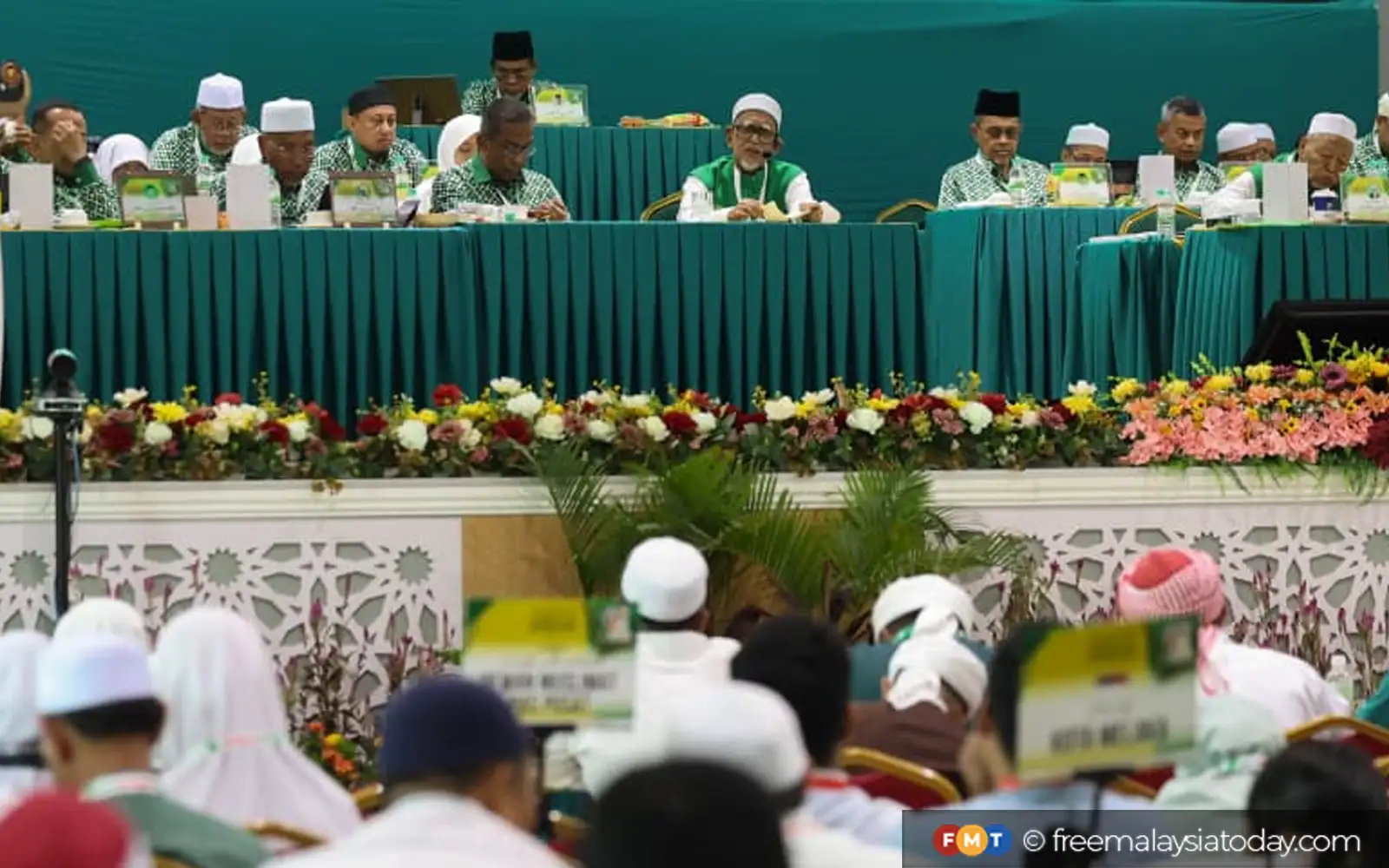
The PAS leadership's claim that Islam is the most effective way to resolve community issues continues to face challenges in gaining acceptance and trust from non-Muslim communities. Minorities often perceive this narrative as political rhetoric aimed at garnering electoral support. At its core, the skepticism among non-Muslim communities stems from ideological differences, concerns about constitutional protection of rights, and broader implications of an ideology rooted in religion.
While PAS introduces some mechanisms perceived as more inclusive, notably elevating the Dewan Himpunan Pendukung PAS (DHPP) to a supporting wing, the gap between the party's promises and reality remains stark. In organizational terms, elevating DHPP to a formal wing does not alter the fundamental status of non-Muslim members, who are still seen as supporters rather than full members.
The highest decision-making body and the body that drafts the party's constitution remain under the Ulama Syura Council and the Islamic Law Council, both of which exclude non-Muslims. This hierarchical structure reinforces the perception that the voices of minority groups within PAS lack genuine political influence. As a result, institutional efforts and the establishment of specific wings often appear as cosmetic changes or pragmatic steps to navigate electoral cycles, particularly when leadership actions do not demonstrate genuine commitment.
The "Malay-Islam supremacy" narrative, while central to PAS's agenda, alienates segments of non-Malay society. Political discourse that touches on sensitivities of ethnicity and religion, frequently employed by party leaders, exacerbates societal polarization and erodes the sense of security among minority groups. Economically, ideological stances such as prohibitions on gambling and restrictions on liquor sales, justified as measures to preserve moral values, directly impact non-Muslim businesses involved in these sectors.
The consequences extend beyond reducing market share in related industries; they are also seen as interference with the civil liberties protected under the civil code. Challenges to secular courts in states administered by PAS, such as Kelantan and Kedah, which impose religious-based moral laws, including actions against non-Muslim traders for violating modesty standards, highlight the increasing reach of Islamic morality into civil life.
This raises broader questions about how far the moral and personal values of minority groups should be allowed to be influenced. Furthermore, the assurance that the proposed alternative to the Syariah Court (Section 355 Act, or RUU 355) will only apply to Muslims fails to alleviate deep-seated concerns among non-Muslim communities.
Critics worry that expanding the jurisdiction of Sharia courts, combined with plans to enforce Islamic criminal or hudud laws, could undermine the balance of the Malaysian federation's constitutional system and challenge the position of the civil courts in upholding constitutional harmony and economic fairness. The partisan style of governance emphasized by PAS, which stresses absolute religious leadership, also raises theoretical and practical questions about how equal representation can function in a multi-ethnic nation.
While junior-level party leaders and technocrat groups try to present a simpler, more management-oriented image, the partisan rhetoric from the top leadership continues to undermine these efforts. This includes openly linking non-Islam with dishonesty and moral decay, which helps maintain a significant trust gap. In conclusion, non-Muslim voters continue to adopt a pragmatic approach by waiting to see the real-world impact of PAS's ideology, rather than basing their judgment on manifesto promises or superficial structural changes.
This assessment is made based on the actual effects of PAS's ideology in the state it administers and how consistent the party's rhetoric and leadership actions are with their claims.
Written by urgent.news from Free Malaysia Today's reporting — not their text. Machine-written — may contain errors; check the original before relying on it.
This story
This is one outlet's version. Read the fullest account.
- Yakinkan penyatuan ummah turut termasuk bukan Islam, kata ketua ulama PAS freemalaysiatoday.com