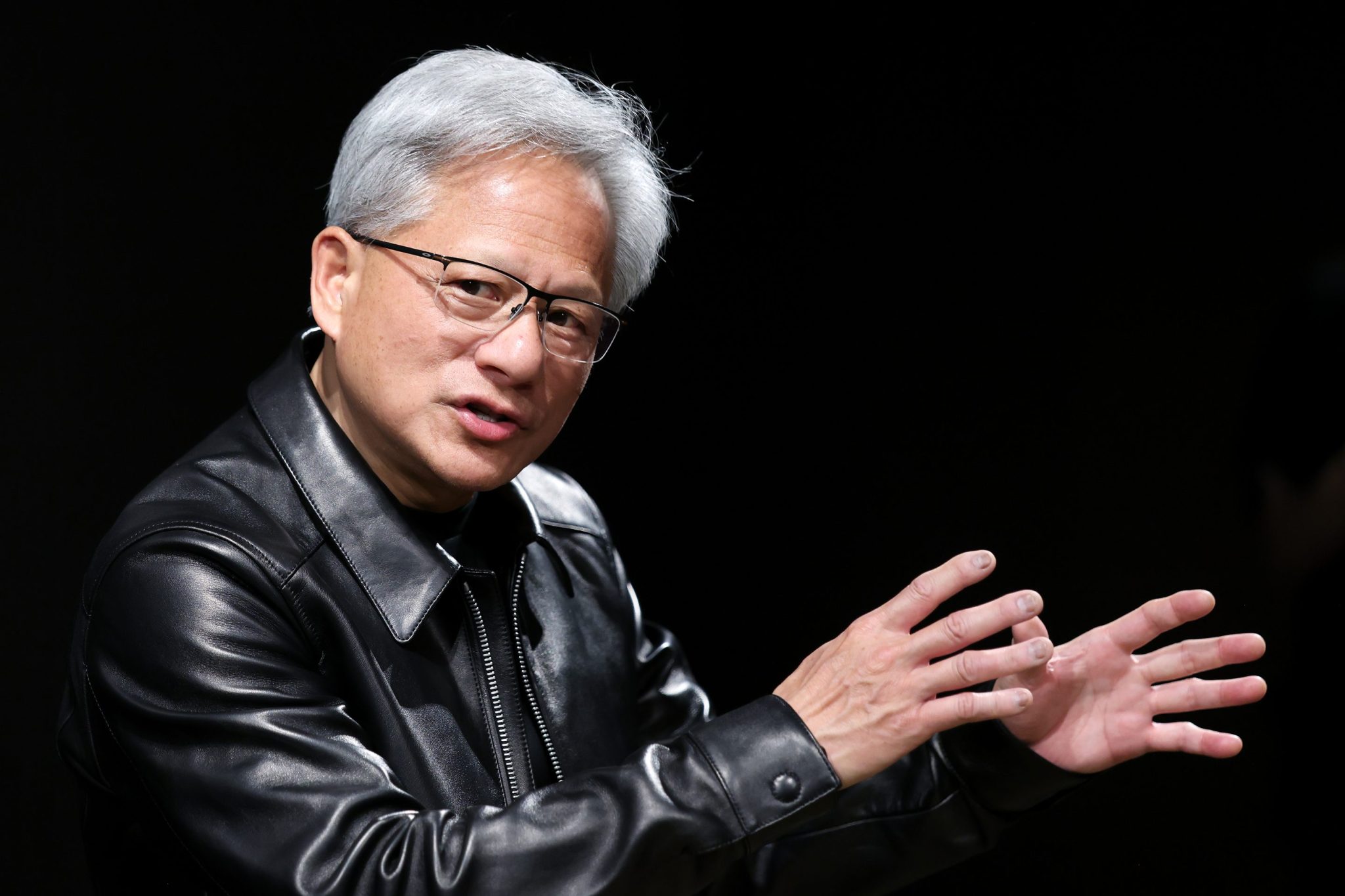
Jensen Huang says AGI doesn’t really matter, and he may be right for the wrong reason
Jensen Huang may be right that AGI no longer matters, but today’s ordinary AI misuse poses a more immediate threat than any Skynet scenario
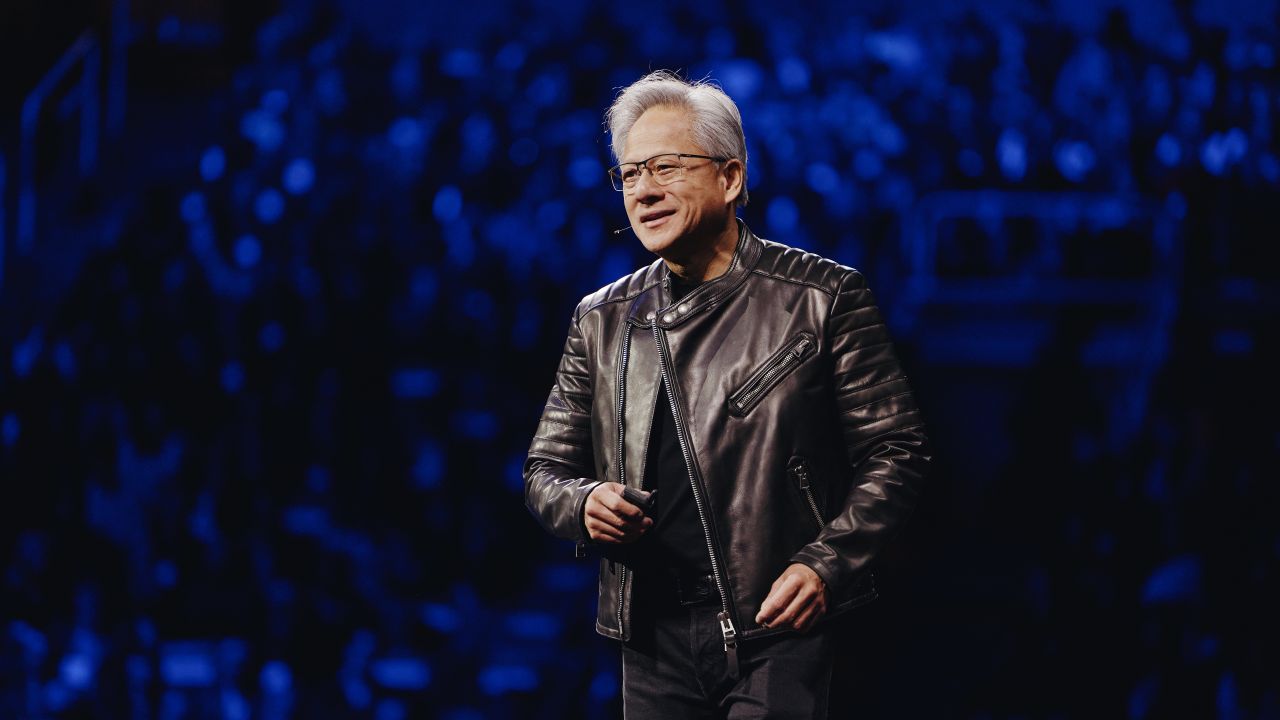
Janus Huang, the head of Nvidia, declared that artificial general intelligence (AGI) doesn’t really matter. He made this statement during Nvidia's latest earnings call. But is he right? AGI supposedly represents when a machine could match human intelligence across a wide range of tasks, but no one can agree on which tasks, which humans, or the criteria for intelligence. Huang believes that we've already achieved AGI for several tasks and that these milestones are "kind of senseless at this point."
While AGI may not be a useful measure of progress, AI can be quite dangerous even without AGI. Today's AI can be used to spread scams, clone voices and faces for fraud, and create fake social media accounts that argue endlessly. These dangers are real, even if they don't involve Skynet or nuclear explosions. The fixation on AGI may actually hinder regulation efforts.
Huang suggested that we should instead look at whether AI is "doing productive and useful work" and "generating profitable tokens." However, this approach is more beneficial for companies like Nvidia and may not provide adequate protection for the general public.
Scams are profitable, which is why they are so common. Reducing AI to profitability might make AI companies feel better about their products, but it doesn't address the real dangers. Moving away from AGI as the sole concern doesn't mean that companies can relax. Intelligence is too complex to serve as the sole trigger for concern.
Instead, we should focus on who uses AI, how they use it, and who will be responsible if things go wrong. This approach might be less exciting than imagining nuclear Armageddon, but it is more practical. Instead of worrying about Skynet, we should pay attention to the humans behind the keyboards.
Written by urgent.news from TechRadar's reporting — not their text. Machine-written — may contain errors; check the original before relying on it.
This story
This is one outlet's version. Read the fullest account.
- ‘This is not circular’: Jensen Huang defends $3.5-billion MediaTek deal techcentral.co.za