Japan benchmark bond yield hits 30-year high of 3% amid global debt selloff
On September 1, Japan's benchmark 10-year bond yield reached 3% for the first time since September 1996, driven by investor concerns over inflation, fiscal health, and pressure on the Bank of Japan to increase interest rates more rapidly. Global inflation fears stemming from the Middle East crisis, coupled with mounting pressure on the Bank of Japan to accelerate rate hikes, have led to a surge in yields across the Japanese government bond curve.
This escalation has intensified in recent days, with domestic media reporting that Japan's ministries and agencies likely made the largest budget request on record for the next fiscal year. The 10-year JGB yield, serving as a benchmark for mortgages and corporate borrowing, has more than tripled over the past two years. Concurrently, the five-year rate hit a record high of 2.265%, while the two-year yield peaked at 1.795% in 31 years, as markets anticipated the Bank of Japan's likelihood of raising interest rates at its upcoming meeting.
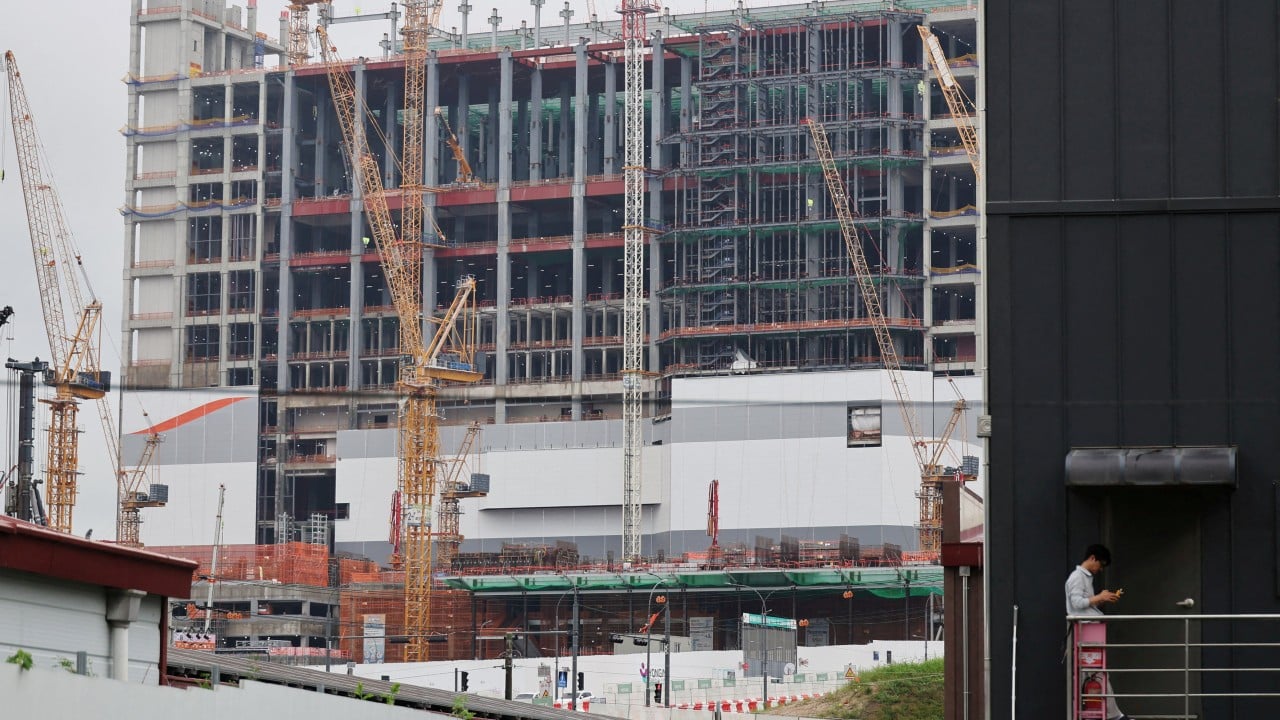
Yields rise when bond prices fall, with the spike signaling investor doubts about Prime Minister Sanae Takaichi's ability to balance fiscal responsibility with ambitious investments in areas like semiconductors and AI. The bond market has, to some extent, warned against fiscal expansion through rising yields, reflecting a sense of resignation and helplessness among investors.
Inflationary pressures, the yen's devaluation near a four-decade low, and the Bank of Japan's perceived slowness in normalizing monetary policy have all contributed to the central bank's need to speed up rate hikes. Japan's bond selloff has garnered attention due to its heavy debt burden, making it particularly vulnerable to rising borrowing costs.
The government had set a 3% long-term interest rate for calculating debt-servicing costs in Japan's fiscal 2026 budget, and a rate above this would further strain the country's finances. Finance Minister Satsuki Katayama declined to comment on the benchmark yield nearing 3% shortly after the Group of 20 finance leaders meeting, emphasizing Japan's commitment to fiscal discipline by reducing the debt burden, reforming the budget process, and funding consumption tax relief without issuing additional deficit-financing bonds.
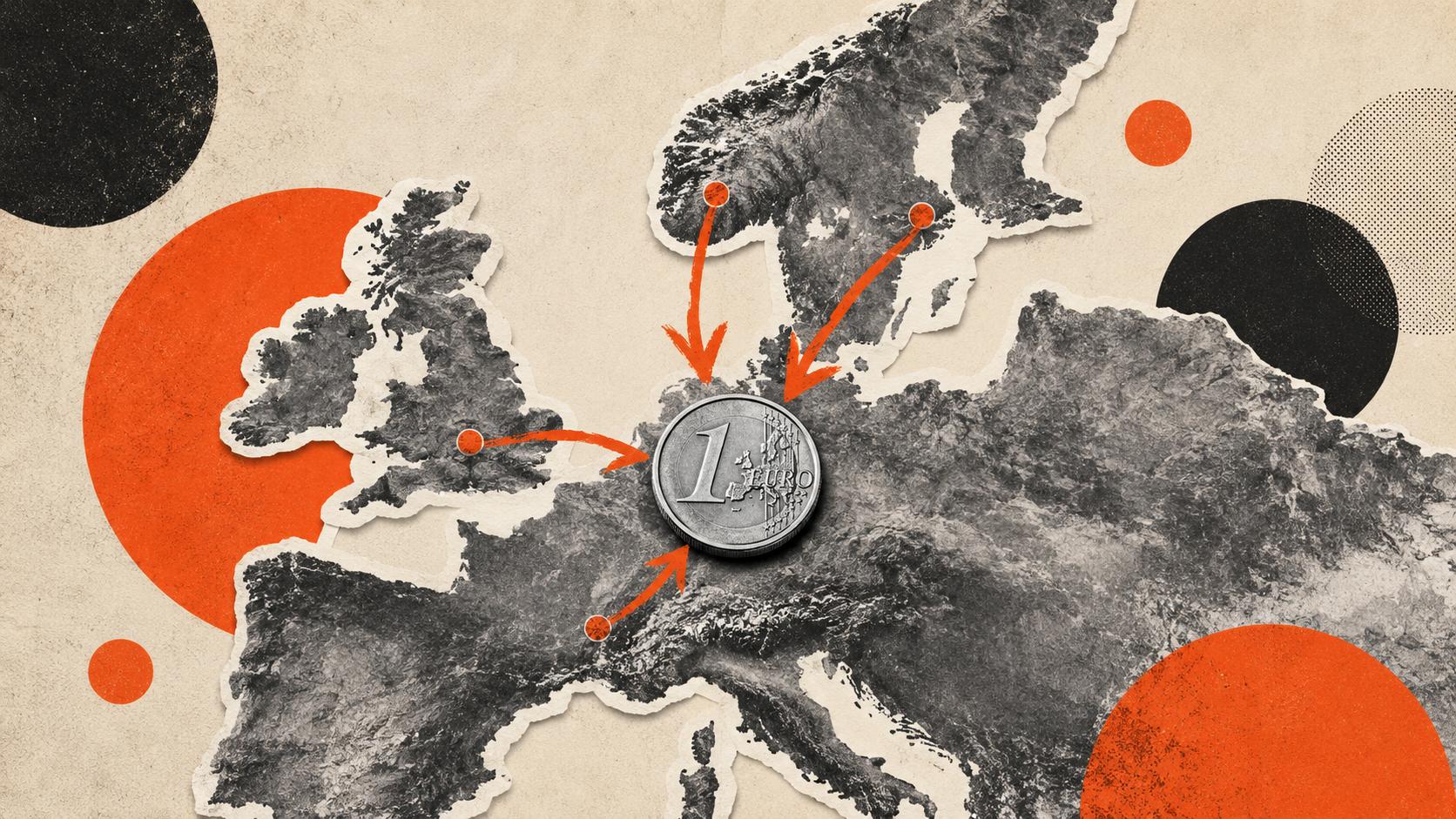
Takaichi has advocated for an investment-led growth path targeting strategic industries since her appointment in October, a strategy that has fueled concerns about worsening Japan's financial position, with debt exceeding 200% of gross domestic product. Japan is not alone in experiencing stress in its bond market, as yields across the United States, Germany, and France also jumped to multi-year highs due to rising inflation expectations and central bank tightening.
The 10-year JGB yield surged to 3% almost immediately after trading resumed in the afternoon session, but robust demand following the auction of the notes helped stabilize the yield at 2.995% as of 0533 GMT. At 3%, the yield represents a psychological threshold, potentially attracting certain demand levels. The auction itself saw high bidding, suggesting yields may remain relatively stable around this level for now.
Written by urgent.news from Channel News Asia's reporting — not their text. Machine-written — may contain errors; check the original before relying on it.
This story
This is one outlet's version. Read the fullest account.
- World : Japan 10-year Gov't Bond Yield Hits 3.0 Pct, Highest Since Oct. 1996 bernama.com
- Japan’s 10-Year Bond Yield Hits 3% for First Time Since 1996 bloomberg.com
- Japan 10-year gov't bond yield hits 3.0%, highest since Oct. 1996 mainichi.jp
- Japan’s 10-year government bond hits 3% for first time in three decades japantimes.co.jp
- Japan’s 10-year government bond yield hits 3% for first time since 1996 businesstimes.com.sg
- Japan 10-year bond yield touches 3%, highest since 1996 seekingalpha.com
- Global bond rout deepens as Japan yield hits key threshold investing.com
- Japan's benchmark bond yield rises to 3% for first time in 30 years channelnewsasia.com