IVF After 50: Why Gujarat couples are fighting age cutoff and what a top doctor says
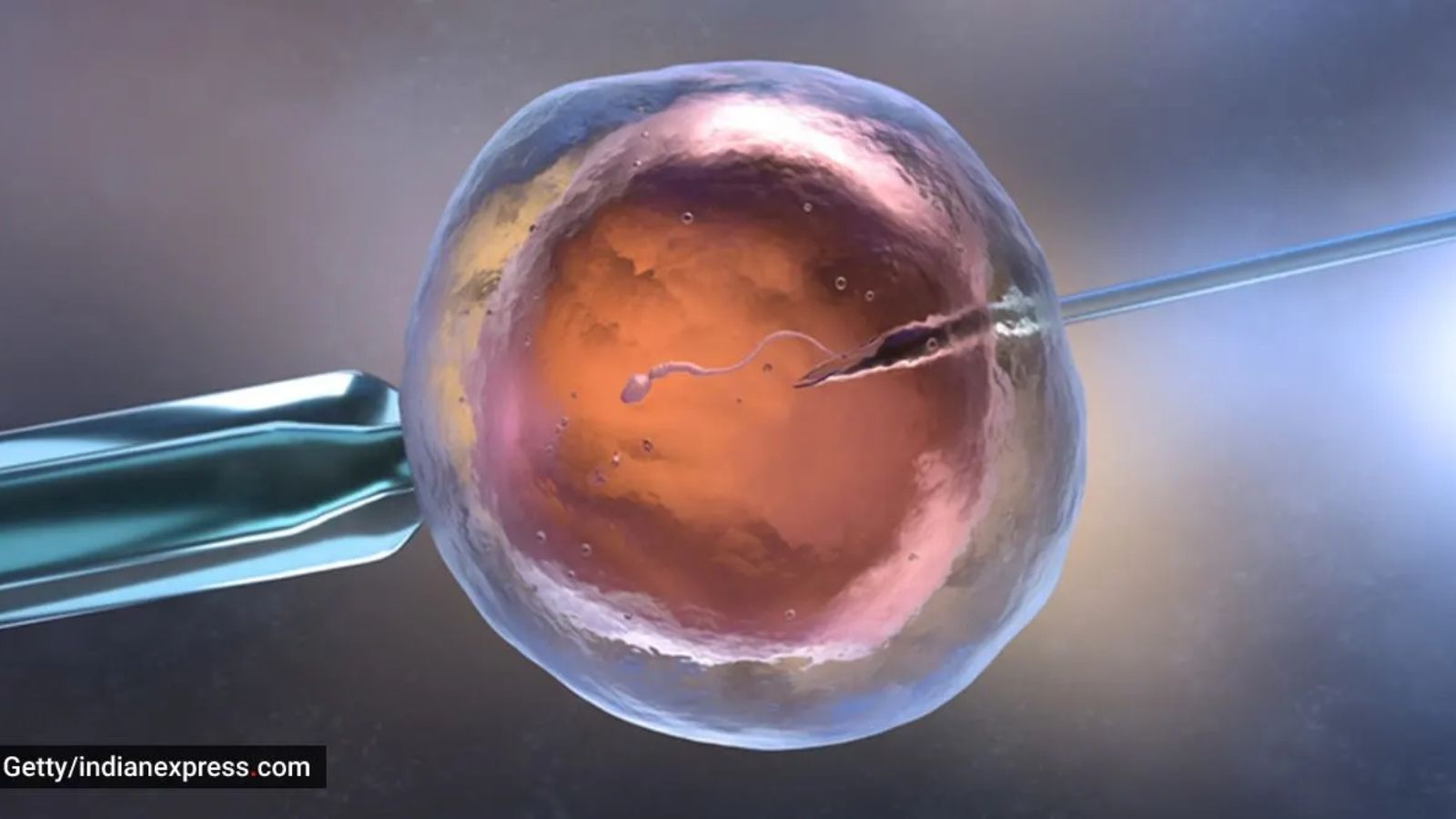
In Gujarat, some couples are facing challenges when attempting IVF treatment after a certain age limit. This issue has come to light due to a recent case from the region. A woman in her 47th year and her husband, aged 54, initiated their first IVF cycle. However, the attempt was unsuccessful. When they approached a second cycle, the man had turned 55, surpassing the upper age limit for men under India's Assisted Reproductive Technology law.
Consequently, the couple discontinued treatment. This is not an isolated incident, as many couples are compelled to halt treatment after surpassing the statutory age cutoff, even if they have undergone previous unsuccessful IVF attempts, miscarriages, or medical complications.
This development has sparked a broader debate regarding the necessity of an age cut-off for IVF eligibility. Should it be a fixed age limit, or should doctors be granted the discretion to evaluate each patient's health and the stage of treatment individually? This question is particularly pertinent given that reproductive medicine has demonstrated that pregnancy can be achieved at ages far beyond natural fertility.
For instance, in 2019, Erramatti Mangayamma, a woman from Andhra Pradesh, gave birth to twin girls through IVF at the age of 74, marking one of the most remarkable instances of assisted reproduction overcoming biological limitations imposed by menopause.
To gain insights into this matter, we spoke with Dr. Neelam Suri, a Senior Consultant in Obstetrics & Gynaecology at Indraprastha Apollo Hospital in Delhi. Dr. Suri discussed the changes that occur in fertility after menopause. Menopause signifies the end of a woman's natural reproductive years. As a woman ages, the number and quality of eggs in her ovaries decline, and after menopause, ovulation ceases.
However, this does not necessarily mean that the uterus can never carry a pregnancy. In some circumstances, the uterus can respond to hormonal preparation and support the implantation of an embryo even when the ovaries are no longer producing eggs. IVF in post-menopausal women often involves the use of donor eggs, which are then transferred into the woman's uterus after hormone treatment to prepare the uterine lining.
While the uterus can carry a pregnancy, the major concern at an advanced age is the woman's overall health and her ability to tolerate pregnancy. Pregnancy places significant demands on the heart, blood vessels, and other organs. These demands become increasingly important when a woman reaches her 60s or 70s. Doctors must assess conditions such as hypertension, diabetes, cardiovascular disease, kidney disease, and obesity before deciding whether pregnancy would be medically appropriate.
Advanced maternal age also carries higher risks of complications like high blood pressure, pre-eclampsia, gestational diabetes, blood clots, cardiovascular complications, premature delivery, and Caesarean delivery. Furthermore, the risks extend to the baby, including increased chances of pregnancy loss, premature birth, low birth weight, and other pregnancy complications.
Advanced maternal age poses distinct challenges compared to pregnancies at younger ages, primarily due to the rising likelihood of underlying medical conditions and the additional physiological stress pregnancy places on the body.
Written by urgent.news from The Indian Express's reporting — not their text. Machine-written — may contain errors; check the original before relying on it.