Iraq set to try thousands of ISIS suspects from Syria after interrogation
Iraq has finished interrogating thousands of ISIS suspects transferred from Syria and is preparing to put them on trial, the Supreme Judicial Council said. In a statement, the council said the First Karkh Investigation Court, which specialises in terrorism cases, had “completed the interrogation phase” for the 5,704 suspects. The cases would now be moved to the next judicial stage with defendants…
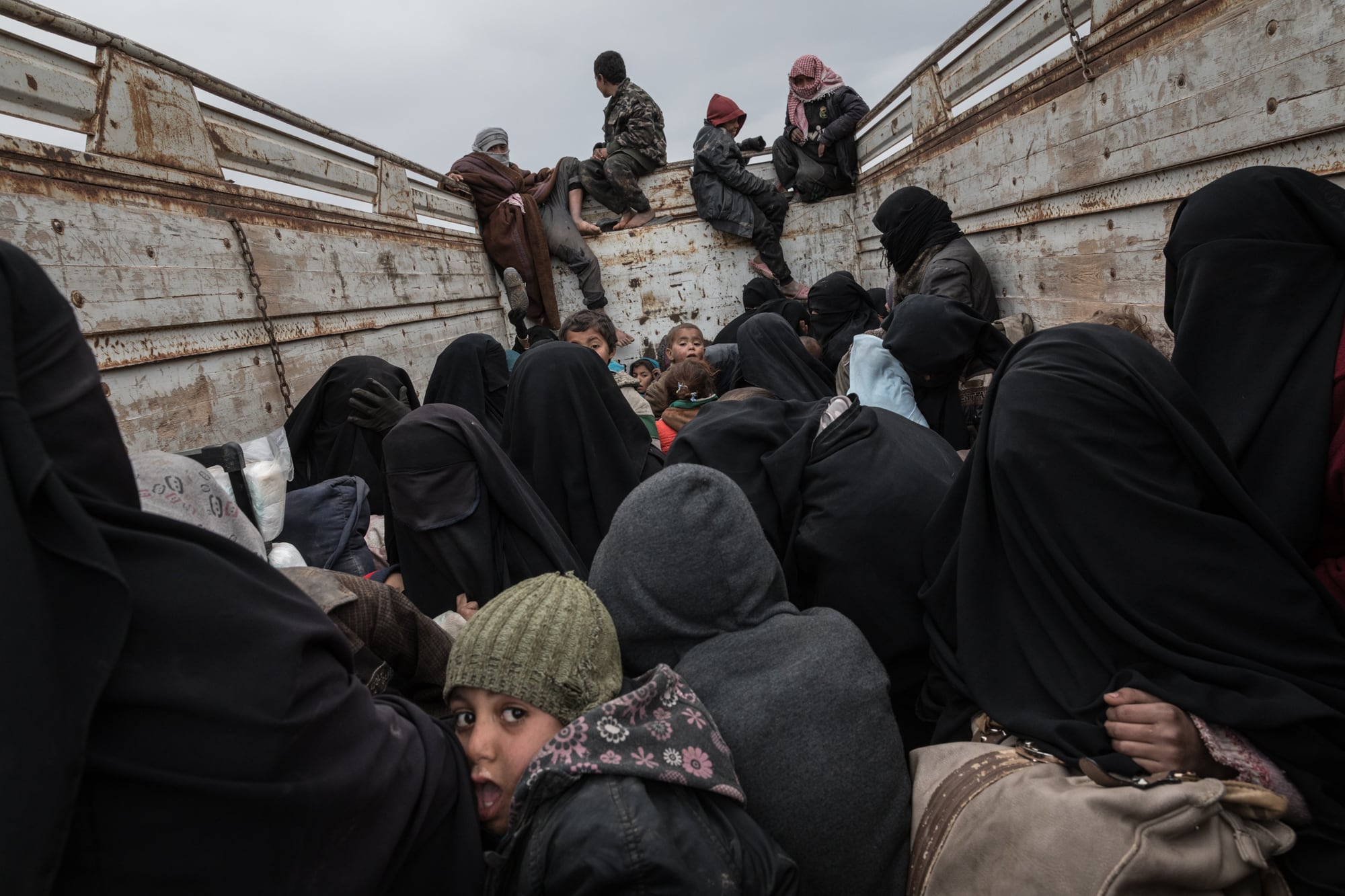
The Supreme Judicial Council of Iraq has concluded interrogations of thousands of ISIS suspects transferred from Syria and is set to begin their trials. The First Karkh Investigation Court, specializing in terrorism cases, has completed the interrogation phase for 5,704 suspects. These cases will now progress to the next judicial stage, with defendants referred to trial courts based on the evidence and facts collected in their individual cases.
This marks a significant step in Iraq's largest terrorism file. Preliminary investigations began in February, encompassing interrogation, evidence collection, and verification for all detainees. The judicial review identified 67 nationalities among the detainees, including 474 Iraqis and 3,497 Syrians. Among the suspects were individuals holding various roles within ISIS, such as leadership, security, religious, military, or media positions, as well as involvement in specialized operations and crimes with an international dimension.
Forensic evidence procedures were conducted, including recording biometric data such as fingerprints, iris scans, DNA samples, and palm prints. In addition to 3,497 Syrians, 16 Europeans and 16 Arabs were among the detainees. Seven Iraqi detainees and a Finnish and an American detainee were released due to insufficient evidence.
Coordination with the Syrian embassy in Baghdad is underway to arrange the handover of 457 Syrian detainees after completing the necessary legal procedures. High-security trials will be managed through a remote courtroom with closed-circuit television and direct video link to minimize risks associated with transferring high-risk defendants.
Written by urgent.news from The National UAE's reporting — not their text. Machine-written — may contain errors; check the original before relying on it.
This story
This is one outlet's version. Read the fullest account.