Iran says it’s ready to return to its ceasefire with the US—hours after the two sides exchanged fire again
Attacks on tankers in the Strait of Hormuz came days after Iran's president said he'd revive the June ceasefire deal.
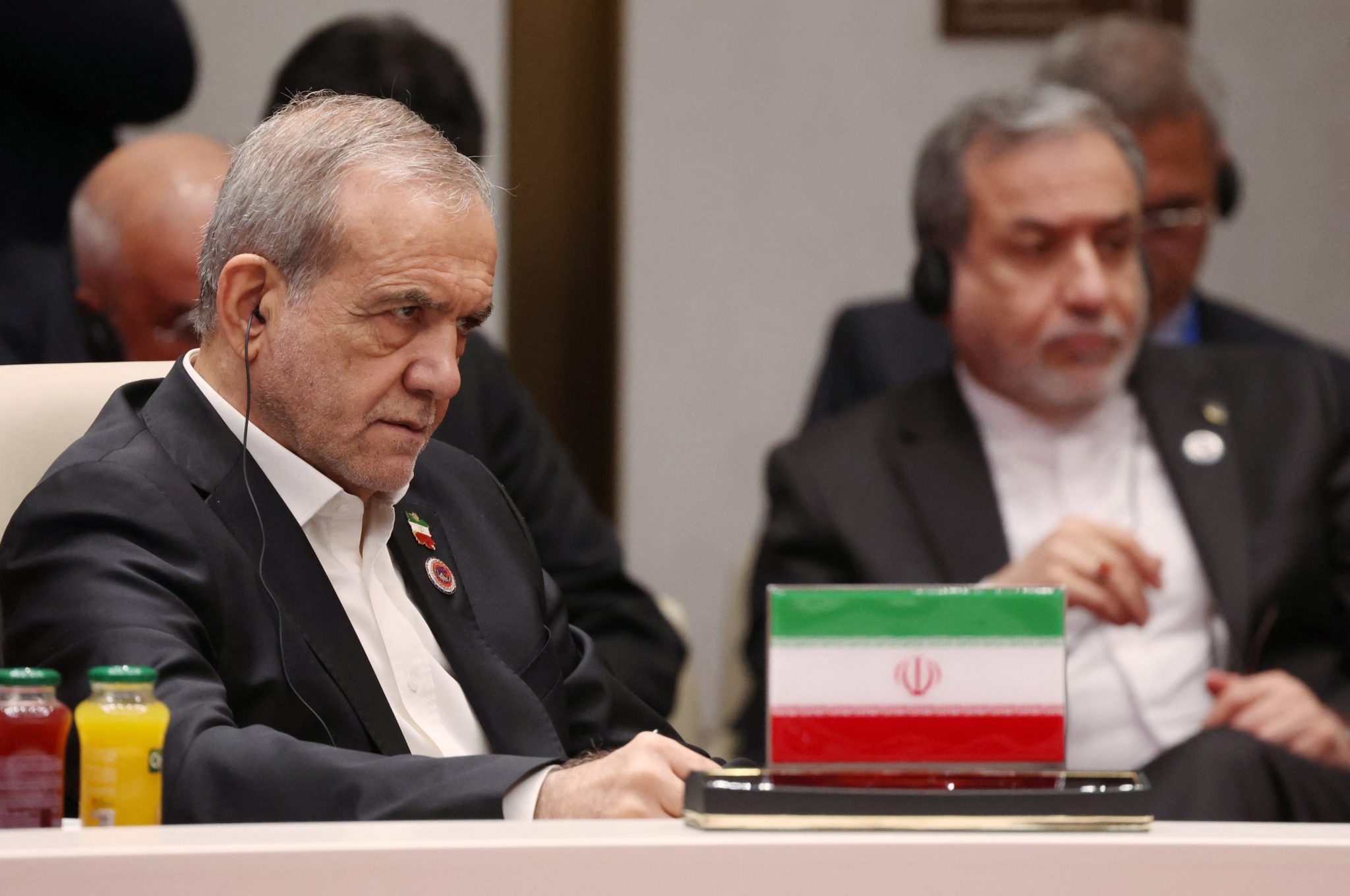
Iran's President Masoud Pezeshkian expressed willingness on Tuesday to return to the June ceasefire deal with the United States, should Washington uphold its commitments, after the first exchange of fire between the two countries in a month. Speaking at the Shanghai Cooperation Organization summit in Kyrgyzstan, Iran's state media reported that the president emphasized that Iran would reciprocate if the U.S. returns to its commitments.
The June memorandum of understanding called for an immediate ceasefire and a 60-day period for negotiations aimed at reaching a broader peace deal. Under the agreement, Iran agreed to clear the Strait of Hormuz of mines and permit ships to pass, while the U.S. pledged to end its naval blockade, lift sanctions, issue waivers for Iranian oil exports, and initiate a reconstruction package for Iran.
However, the deal unravelled swiftly, and despite a period of relative calm, the two sides exchanged fire over the weekend. The Iranian president has always favored a negotiated resolution to the war, but Iran's powerful Revolutionary Guard faction is pushing for more concessions from the U.S., including control over the Strait of Hormuz and financial compensation for the conflict. Such demands would likely be unpalatable to Washington.
On Monday, the UK Maritime Trade Operations Centre reported attacks on two ships in and near the Strait of Hormuz. A tanker was hit by three projectiles while passing through the strait east of Oman, with no casualties reported. Additionally, a tanker reportedly came under attack off the coast of Oman, east of the Strait of Hormuz, remaining adrift after being stopped by military forces.
Neither incident resulted in casualties. Iran has a history of firing on ships in the Strait of Hormuz to restrict traffic through this vital waterway, while the U.S. has also engaged in similar actions to maintain its blockade of Iranian ports.
Written by urgent.news from Fortune's reporting — not their text. Machine-written — may contain errors; check the original before relying on it.