IN PHOTOS | What’s on your plate? Seven meals show what food insecurity looks like in South Africa
Health-e News IN PHOTOS | What’s on your plate? Seven meals show what food insecurity looks like in South Africa For some families, dinner is pap and spinach. For another, chicken and bread must stretch across a household of 12. At a Free State school, a plate of samp, beans and vegetables may be a child’s main meal of the day. As part of our Hungry for Change series, Health-e News community…
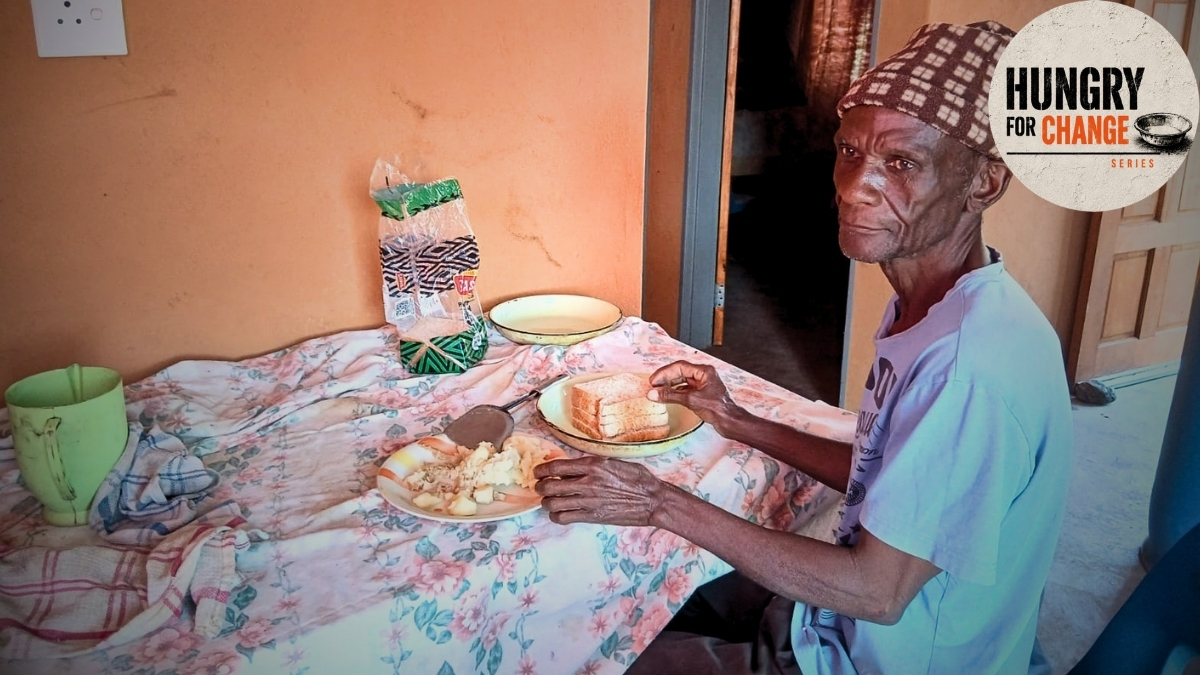
Health-e News has compiled a series of photos showcasing seven different meals that illustrate food insecurity in South Africa. Registered dietitian Helen Donkin from the Association for Dietetics in South Africa (ADSA) analyzed these meals, estimating portion sizes from photographs and using nutritional information from the South African Food Data System (SAFOODS).
One family, led by Zinzi*, a single mother of three, often eats pap (a type of porridge) with spinach. When money is tight, Zinzi* sells chicken feet on the street to feed her children. In March, her daughter was hospitalized at Chris Hani Baragwanath Hospital due to malnutrition.
At a Free State school, a child's main meal may consist of samp (a type of cornmeal), beans, and vegetables. A 66-year-old widower, Sekhwele Mnisi, from Ga-Motodi village in Limpopo, has about R50 a day to feed himself, three adult children, and two young grandchildren. They share meager resources like water, paraffin, candles, and firewood for cooking.
Another household is Toti, a 68-year-old woman living in Emaxelegwini informal settlement near Ngcobo in the Eastern Cape. She shares her home with five adult children and six grandchildren. When food is scarce, adults skip meals so younger children can eat. Toti, who has arthritis, sacrifices daily by taking her medication without eating.
Nokulunga Nkabinde, a 31-year-old unemployed woman in Embo, west of Durban, collects discarded aluminum cans to support her family of nine. Her plate includes rice, scrambled eggs, and fried vegetables, which provides a higher dietary variety than some other meals analyzed.
Donkin emphasizes that while a full stomach may seem sufficient, it doesn't guarantee meeting all daily nutrient needs. High-carbohydrate, high-fat meals, while filling, often lack protein and micronutrients, contributing to the triple burden of malnutrition, where undernutrition, vitamin and mineral deficiencies, and overweight or obesity coexist within the same family or community.
Written by urgent.news from Health-e News's reporting — not their text. Machine-written — may contain errors; check the original before relying on it.