In Japan’s mountains, a different way to manage bears
A program has been credited with prompting both a recovery in bear numbers — although the animals are hard to count — and fewer encounters with humans.
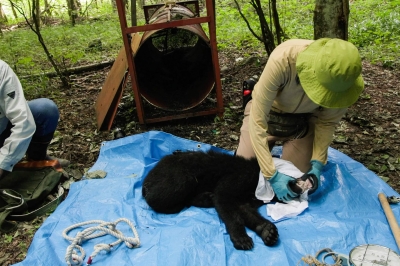
In Japan's Nagano mountains, scientists are exploring an alternative approach to managing bear populations that differs from the common practice of culling. Instead, a pioneering management plan focuses on trapping, tagging, and releasing Asiatic black bears, which has contributed to a recovery in bear numbers and fewer encounters with humans.
The program began in 1995 as authorities recognized a shrinking bear population in the region. By not killing too many bears, the plan aims to create a healthy population that can live out its expected lifespan. In addition to trapping and releasing bears, other methods include using Karelian Bear Dogs to scare bears away and installing over 3,000 kilometers of fencing near farms, towns, and rivers to prevent encounters.
However, despite the success of this coexistence model, bear incidents in Japan have caused concern. The Environment Ministry reported six bear-related fatalities nationwide since April 1, with the number of fatal attacks last fiscal year reaching a record high of 13. Sightings have also doubled, with bears increasingly entering the outskirts of towns and cities.
Experts attribute these incidents to factors such as food availability, climate change, and the depopulation and urbanization leading to less managed forests and farmland.
While some Nagano residents feel reassured by the coexistence program, it remains a minority view. The central government's response has largely focused on culling bears, with more than 14,000 killed last fiscal year alone. Although the Nagano coexistence program has helped limit dangerous encounters, its approach is still considered a minority opinion in the broader context of bear management in Japan.
Written by urgent.news from Phys.org's reporting — not their text. Machine-written — may contain errors; check the original before relying on it.
This story
This is one outlet's version. Read the fullest account.