If a ‘great rebalancing’ is coming, will China really have to pay for it?
Michael Pettis says a great rebalancing is coming and China will pay for it. It’s strange how the man who insists that power decides who pays never tests his claim on Washington. The Beijing-based economist has been warning that a great rebalancing is coming since he published a book called The Great Rebalancing. That was in 2013. His latest Foreign Affairs offering? You guessed it: “A Great…
Michael Pettis, a Beijing-based economist, predicts a forthcoming "great rebalancing" in global trade imbalances, with China facing the brunt of the costs. He has been cautioning about this scenario since his 2013 book, The Great Rebalancing, and his latest Foreign Affairs article, "A Great Rebalancing Is Coming: Who Will Bear the Costs of a Global Trade Adjustment?"
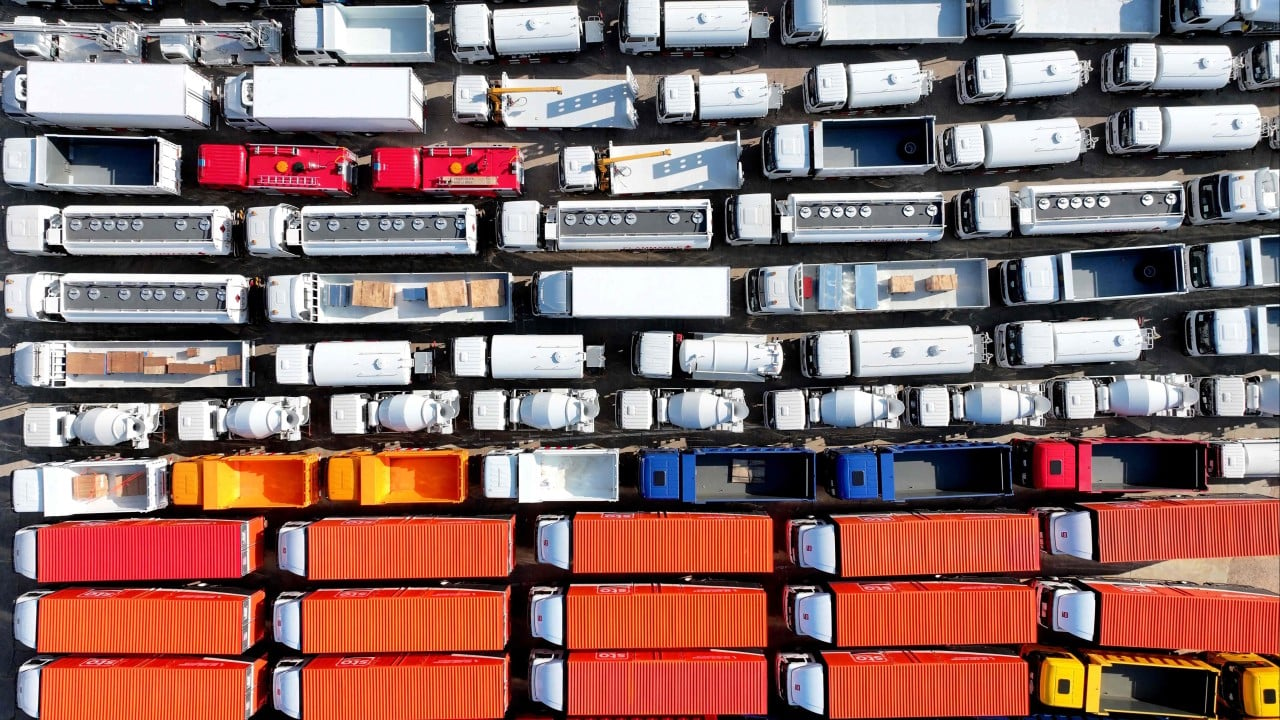
Pettis argues that trade imbalances are untenable, with China, Germany, and a few others selling more than they buy, while America buys far more than it sells. He theorizes that a permanent deficit leads to either joblessness or more debt, and that both outcomes are undesirable. Pettis anticipates that China's turn is near, citing the IMF's projection of a 3.3% current account surplus of GDP for 2025.
Pettis contends that power, not virtue, determines who bears the brunt of a crisis. He believes that the United States is in a better position to avoid an impending crisis, while China is the most exposed. This is because China's excess capacity in solar panel production has led to a 70% price drop in solar panels between 2022 and early 2025, benefiting the global market.
While China is attempting to rebalance its economy, it is struggling to do so due to a spending problem. Only about 40% of GDP is accounted for by household consumption, leaving China with a significant imbalance. Pettis argues that China's debt is contained within its own currency, making it less vulnerable to external shocks compared to countries with external debt.
Ending US dollar dominance is a perceived threat by Washington, Wall Street, and big business. The US needs to maintain its reserve currency status, the sanctions weapon, and the cheapest borrowing rates, which they transfer the bill for their deficit to Beijing. Pettis proposes implementing tariffs on China, but he assumes that Americans want to work more and buy less.
His logic of power suggests that a weaker China might not lose a trade war in the 21st century. However, Pettis fails to consider the costs that ending the surplus would impose on other global economies.
Written by urgent.news from South China Morning Post's reporting — not their text. Machine-written — may contain errors; check the original before relying on it.