I invented the text-message restaurant order in 2005. Twenty years later, I know what comes next
My tech is behind over 800 restaurant brands including Shake Shack, Waffle House, Cracker Barrel, Five Guys and Panda Express. But we need a new direction.
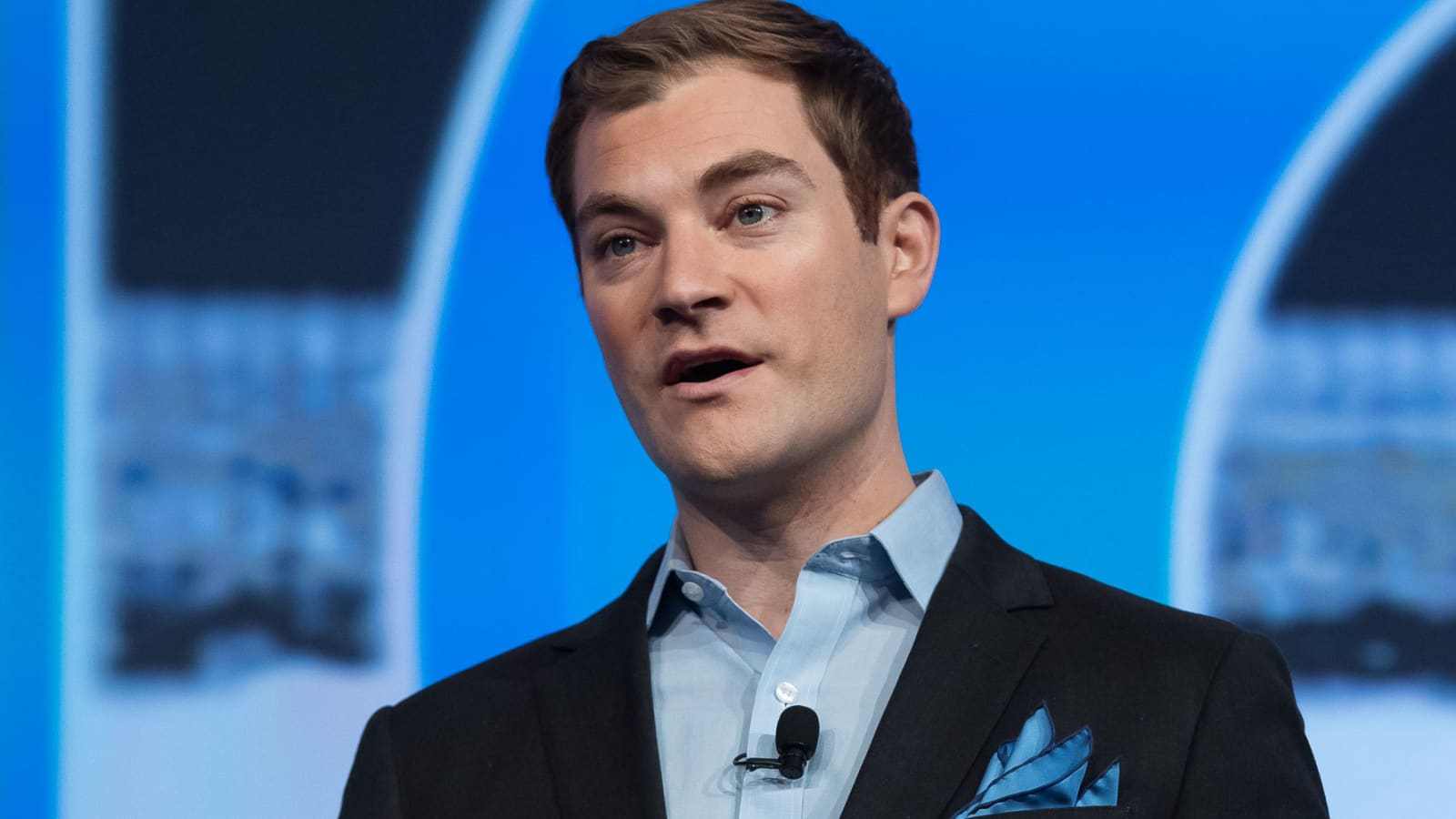
In 2005, before the iPhone was released, the author found themselves in a coffee line during their morning commute, observing the struggles of customers who had to order, wait, pay, and wait some more. He believed there must be a more efficient method to obtain their coffee, so he created the first text-message order system for restaurants, long before smartphones made "ordering ahead" a common practice.
Twenty years later, the author is the founder and CEO of Olo, a restaurant commerce platform powering over 800 restaurant brands across 90,000+ locations, such as Shake Shack, Waffle House, Cracker Barrel, Five Guys, and Panda Express. Throughout the past two decades, the author has witnessed the restaurant industry continually improving the ordering experience, but now, he feels it's time for a significant shift.
The current problem with digital ordering is that customers have only two options, both with their drawbacks. The first option is third-party marketplaces, like delivery apps, which became crucial during the pandemic as restaurants needed a fast way to serve their customers. However, these platforms charge commissions of up to 30% per order, leading restaurants to mark up menu prices to cover these fees.
This not only affects guests already dealing with rising costs but also puts restaurants in a difficult position. The second option is first-party ordering, which allows restaurants to own their customers, but it also creates a scale issue. Acquiring a new guest through this method can cost up to $100, and even if a guest downloads the app, they rarely return to it.
The author suggests that there should be a middle ground between these two extremes. Second-party networks, where brands share infrastructure to serve customers better without giving up ownership, already exist in other industries. However, the restaurant industry has yet to create a similar system, and it is needed urgently. The next era of ordering will be defined by this middle ground, enabling guests and their AI assistants to order from a centralized location from the brands they choose to follow, with personalized offers, saved checkout data, and no markups or ads.
This will not only benefit restaurants but also provide guests with a seamless experience that feels tailored to their preferences.
Written by urgent.news from Fortune's reporting — not their text. Machine-written — may contain errors; check the original before relying on it.