How stablecoin infrastructure and won-based systems can advance together
Over the past half-century, Korea's economic rise has rested on something less obvious than exports alone: a consistent ability to spot the shape of the next global system before it becomes obvious to everyone else. Shipbuilding, automobiles, semiconductors, broadband networks, consumer electronics and, more recently, cultural exports each reflect the same pattern of adapting early to new systems…
For decades, Korea's economic growth has been driven by more than just exports. Instead, the nation has consistently demonstrated the ability to anticipate and adapt to emerging global systems. This pattern is evident in Korea's advancements in shipbuilding, automobiles, semiconductors, broadband networks, consumer electronics, and cultural exports. Each of these industries reflects Korea's early adoption of new production, trade, and connectivity methods, which have translated into national prosperity.
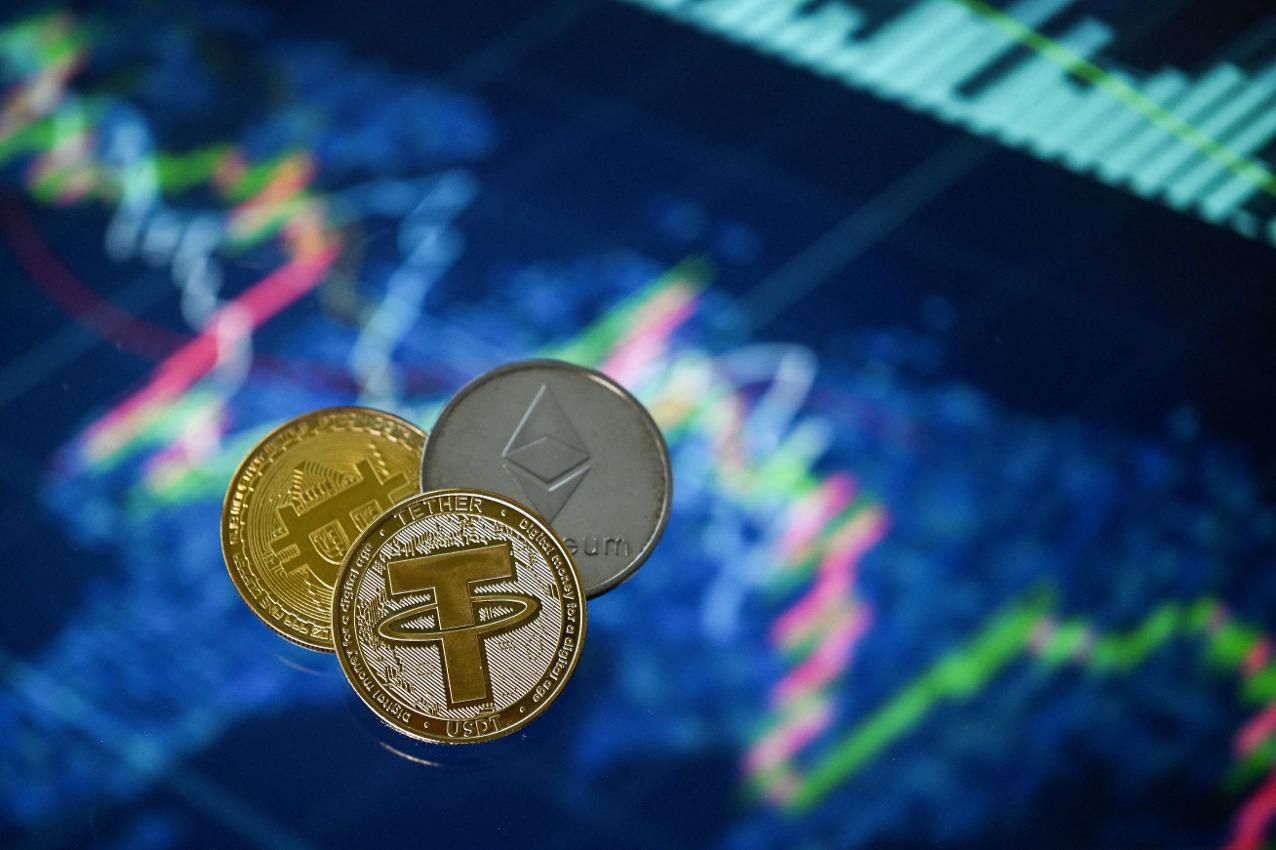
A similar transformation might now be unfolding in the realm of financial infrastructure. Rather than focusing solely on manufacturing or telecommunications advancements, the focus is shifting towards the underlying architecture of money and cross-border settlements. This transition is subtle, as stablecoins are still predominantly linked to cryptocurrency trading.
However, this perspective is incomplete, as stablecoins could ultimately serve as a novel layer for global commerce, corporate treasury management, digital services, and cross-border finance.
The pressing question is not whether stablecoins will supplant traditional banks, payment processors, or national currencies. Instead, it is whether they will coexist and evolve alongside these established systems. Stablecoins, it seems, are poised to play a pivotal role in the future of financial infrastructure, marking a new era in global commerce and cross-border transactions.
Written by urgent.news from The Korea Times's reporting — not their text. Machine-written — may contain errors; check the original before relying on it.