How IITs and IISc are redefining medical education in India
A technical institute’s medical degree will only be distinct if its curriculum, admissions, and thesis requirements are deliberately built around that engineering core
In March 2026, IIT Kharagpur, the oldest Indian Institute of Technology (IIT), made a groundbreaking decision to apply to the National Medical Commission (NMC) for offering a postgraduate medical degree, the Doctor of Medicine (MD). This move was not isolated; in August 2026, an alumnus of IIT-Kanpur donated significant funds to expand its medical school and hospital.
IIT-Madras followed suit, announcing plans to offer an MBBS and a Ph.D. in medicine. The Indian Institutes of Technology (IITs) traditionally focused on engineering education; their foray into medical education signifies a shift towards more comprehensive healthcare training.
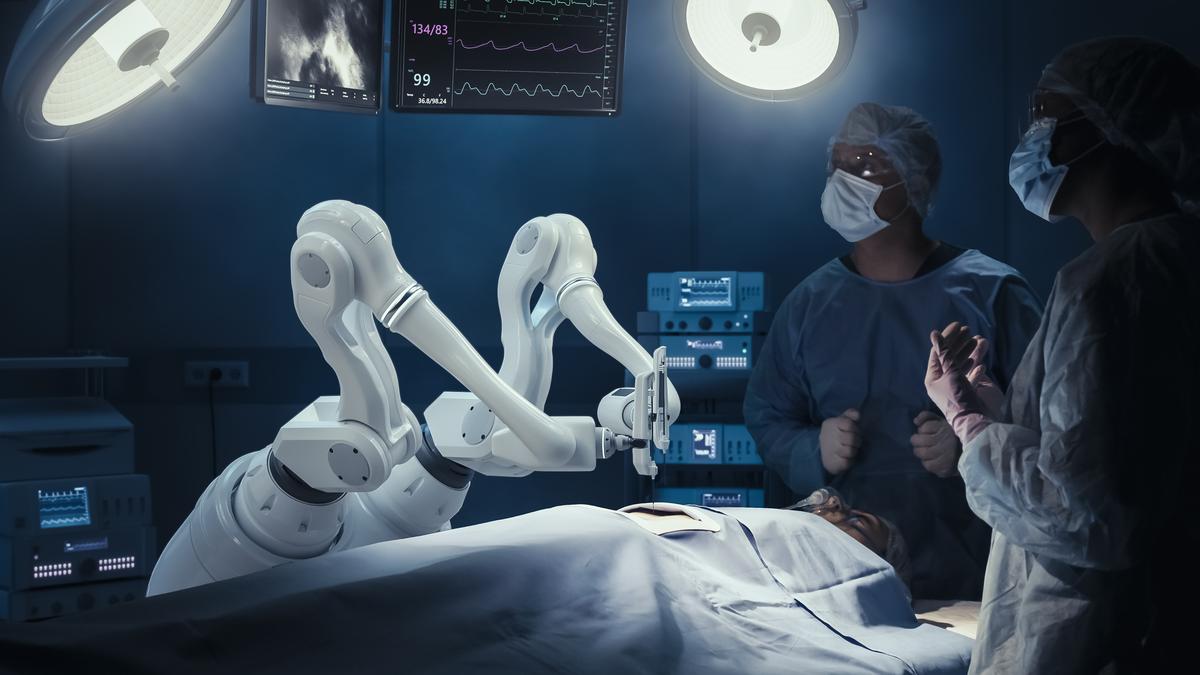
IITs are embracing modern healthcare practices that incorporate engineering, robotics, AI, and biocompatible materials. Hospitals integrated into IITs include nursing colleges and paramedical training schools, reflecting the changing landscape of healthcare.
In contrast, the Indian Institute of Science (IISc) in Bengaluru has adopted a research-first approach to medical education. The Tata IISc Medical School, established through a partnership with the Tata Group, is constructing an 832-bed hospital and will admit its first batch of students in a dual MD-Ph.D. program by 2027. IISc's approach is uniquely integrated with the pharmaceutical and biotechnology industries, embedding these industries into its medical school ecosystem.
The National Education Policy (NEP) 2020 encourages institutions to move towards Multidisciplinary Education and Research Universities (MERUs), breaking down discipline-based silos. IITs and IISc aim to train medical professionals fluent in engineering and computational tools, setting a new standard in medical education. However, the success of this approach hinges on a carefully designed curriculum that integrates engineering and medicine effectively.
Written by urgent.news from The Hindu - Sci-Tech's reporting — not their text. Machine-written — may contain errors; check the original before relying on it.
This story
This is one outlet's version. Read the fullest account.