How foot and mouth disease ran amok
Farmers saw it coming but they couldn’t prevent it
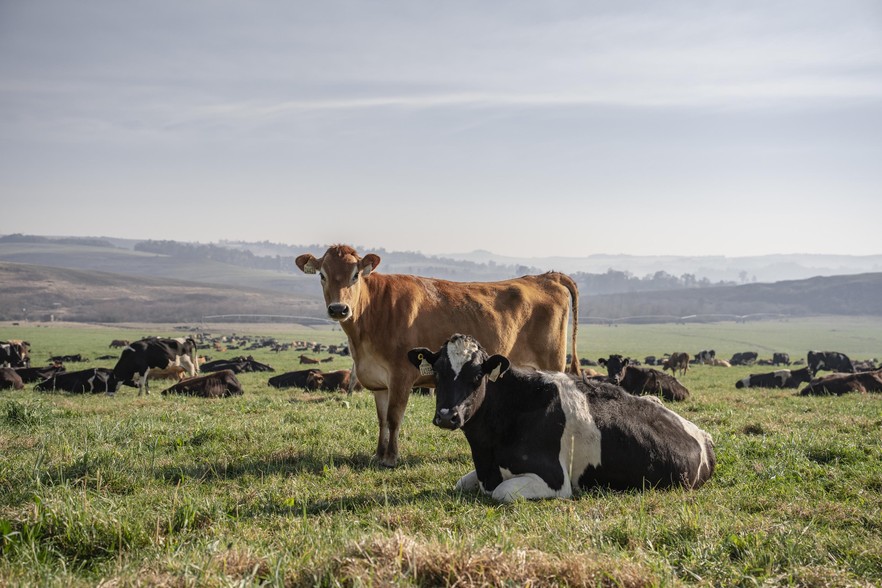
Foot and mouth disease (FMD) tore through South African dairy farms with devastating consequences. On Mearns farm near Mooi River in the KwaZulu-Natal Midlands, workers dug trenches to bury sick cows in a bid to cull the infected population humanely. By summer, the once frenzied scene of cows grazing lazily on the farm's rolling hills was replaced by the somber presence of healthy animals and a few cows with udder scars.
Farm owner James Kean described how his farm meticulously planned for FMD, similar to the Springboks preparing for a rugby match. However, despite their diligent planning, the disease struck on January 23, infecting half of the farm's 1,600 cows. Kean likened the situation to the All Blacks defeating a well-prepared Springboks team.
FMD symptoms in cows include blisters on the lips and tongue, fever, drooling, difficulty eating, and inflamed hooves and teats. As a result, milk production plummeted, and infected cows became prone to severe pain and infection. The financial toll of an FMD outbreak can be immense, with costs ranging from R3 million on medicines to at least R7 million in Kean's case.
Farms had to adhere to strict quarantine regulations, limiting the movement of cattle and even the sale of meat and milk. South Africa's FMD epidemic has been its worst ever, causing widespread suffering for dairy farmers and their animals.
Written by urgent.news from GroundUp's reporting — not their text. Machine-written — may contain errors; check the original before relying on it.
Also reported by 2 other outlets
- South Africa: How Foot and Mouth Disease Ran Amok allafrica.com
- How foot and mouth disease ran amok moneyweb.co.za