How climate change threatens Europe’s nuclear renaissance
Europe’s nuclear fleet feels the heat from rising temperatures.
European governments are planning a major expansion of nuclear power to fight climate change, but rising temperatures and worsening drought are posing challenges to these plans. Record low river levels in August caused several nuclear plants to shut down due to lack of cooling water, prompting questions about the viability of multi-billion-euro nuclear projects.
Bulgaria's sole nuclear plant halted supply, Romania had to shut down two reactors, and Hungary's only nuclear plant reduced production by three-quarters. Even when water is available, rising river temperatures can force shutdowns to protect wildlife. Switzerland also shut down a reactor due to rising temperatures. Drought and increasing wildfires, storms, and floods also pose threats to nuclear facilities.
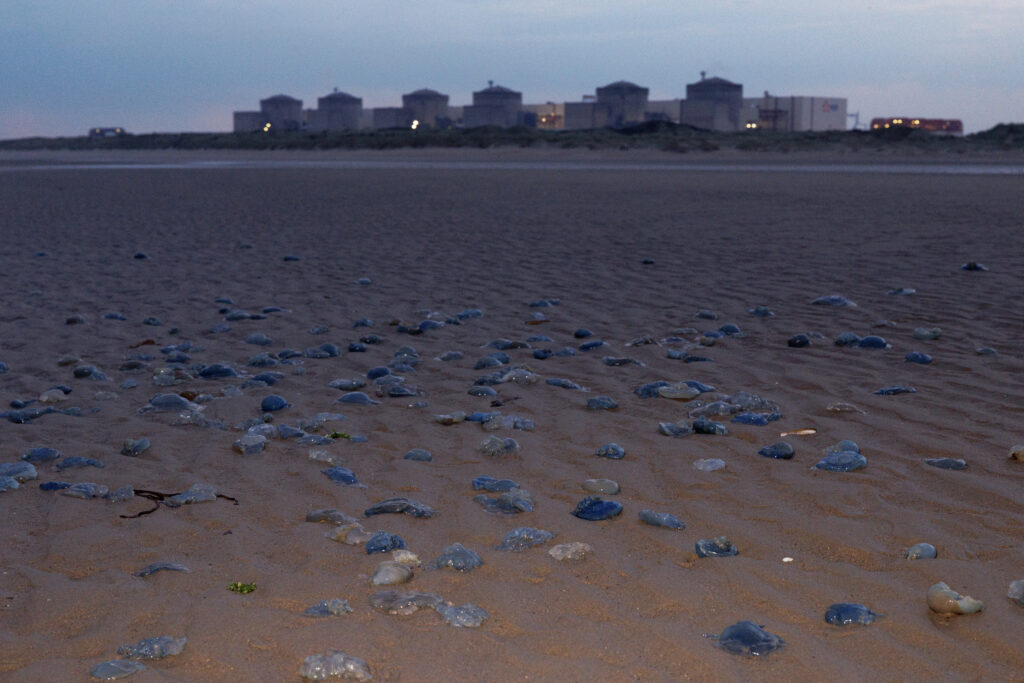
Europe, the fastest warming continent, is particularly vulnerable because many of its reactors were built along inland rivers or depend on cooling ponds vulnerable to drought. European reactors in the south, particularly, could see the largest percentage increases in consecutive dry days. Even when operating, nuclear plants face additional challenges from jellyfish swarms in warmer waters, which can clog pumping systems.
Despite these challenges, there is a global trend towards nuclear power, with potential for it to triple by 2050. Europe's nuclear fleet was designed for a different climate and many reactor designs were built in the 1970s and 1980s, making them vulnerable to future climate hazards.
Written by urgent.news from Politico EU's reporting — not their text. Machine-written — may contain errors; check the original before relying on it.