How Bihar and Jharkhand resolved their 25-year Sone water dispute
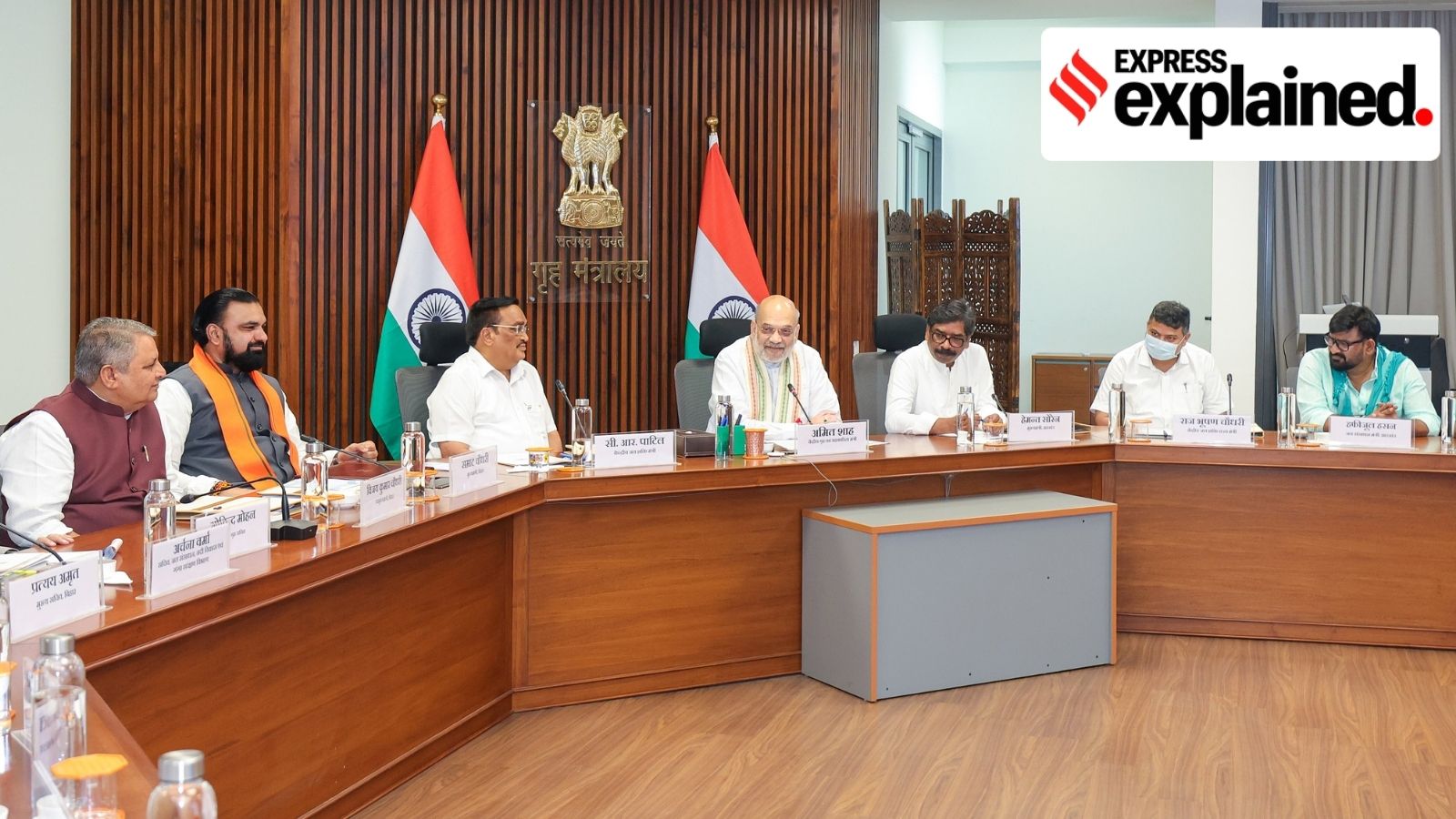
On Monday, Bihar and Jharkhand reached an agreement to resolve their 25-year dispute over the Sone River water. The Inter-state Memorandum of Understanding (MoU) signed in Delhi allocates 5.75 million acre-feet (MAF) of water to Bihar and 2 MAF to Jharkhand. This resolution paves the way for irrigation, reservoir, and river-linking projects in drought-prone regions of both states.
The dispute began in November 2000 when Jharkhand was separated from Bihar and inherited upper catchment areas and tributaries of the Sone River, while the lower riparian agricultural areas remained in Bihar. The root of the problem lies in the 1973 Bansagar Agreement, a tripartite deal involving Madhya Pradesh and Uttar Pradesh, which allocated undivided Bihar 7.75 MAF of Sone water from the total basin yield.
However, no binding formula existed to divide this allocation between Bihar and the newly formed Jharkhand state after Bihar's division.
Despite numerous attempts over two decades, negotiations consistently stalled over reservoir height, land submergence, and exact volumetric splits. Political alliances in power and differing viewpoints also contributed to the impasse until the current leaders decided to break the stalemate.
Under the new agreement, Bihar will receive 5.75 MAF of water, while Jharkhand will receive 2 MAF. This will enable the full operation of the Indrapuri Barrage, a key diversion structure supplying water to the Sone Canal network, which irrigates the Shahabad agricultural belt in Bihar. Jharkhand agreed to maintain specific reservoir water levels to minimize land submergence, with clear rehabilitation provisions in place.
The pact ensures critical irrigation supplies to South Bihar, while also allowing new canal networks in drought-prone areas of Jharkhand. The Central Water Commission provided technical frameworks, hydrology studies, and modified dam-height specifications, which motivated both states to prioritize a resolution and secure long-term irrigation guarantees for their agrarian regions.
Written by urgent.news from The Indian Express's reporting — not their text. Machine-written — may contain errors; check the original before relying on it.