How a derelict 1866 Washington house was saved and restored over 14 years
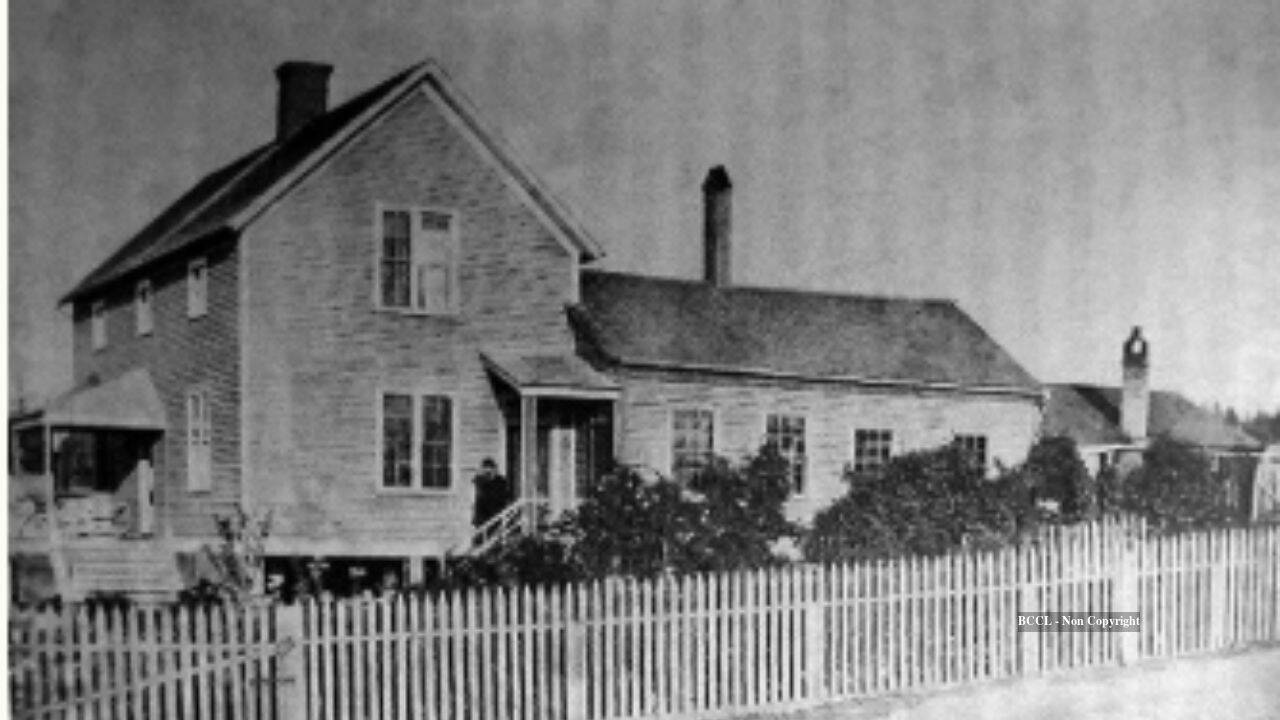
In 2012, a decaying 1866 farmhouse known as the Haller House sat on a waterfront lot in Coupeville, Washington, for sale at a price based primarily on the land's value rather than the deteriorated building itself. This older structure on Whidbey Island, one of the oldest surviving buildings on the island, was in such poor condition that many people assumed it would be demolished to make way for a new residence.
However, a group of local preservationists intervened, dedicating six years to raising funds and negotiating the purchase of the house, followed by an additional eight years of meticulous restoration efforts. In 2026, the Haller House finally opened to the public as a museum and community space, showcasing the power of community determination in preserving local history.
The Haller House was constructed in 1866 by early settlers on Whidbey Island, shortly after the Civil War and three decades before Washington became a state. Initially a simple farmhouse, the house expanded over time as the family added rooms and outbuildings to accommodate changing needs and tastes. For over a century, the house silently observed the island's transformation, witnessing shifts from logging and farming to tourism and commuter communities.
However, by the early 2000s, prolonged neglect, water damage, and deferred maintenance had severely compromised the structure, rendering it in urgent need of attention.
In 2012, the Haller House and its waterfront lot were listed for sale. The asking price was largely influenced by the land's value, which included scenic views of Penn Cove and its proximity to Coupeville’s historic downtown. From a purely financial standpoint, it appeared more practical to demolish the house and construct a new one rather than attempt to save it.
For Historic Whidbey, a local preservation nonprofit, the listing served as a stark warning sign. If the house were lost, they feared one of the last tangible connections to the island's earliest Euro-American settlement would be lost forever. The organization embarked on a campaign to explore the possibility of acquiring the property, despite lacking sufficient funds at the time.
This endeavor was a lengthy and uncertain process that involved raising capital and garnering community support. Historic Whidbey collaborated with donors, grant-making organizations, and nearby residents who had personal connections to the house to amass the necessary funds for the purchase. Fundraising activities, membership drives, state and private preservation grants, and outreach efforts all contributed to this long-term goal.
In 2018, six years after the house first appeared on the market, Historic Whidbey successfully completed the purchase. By this point, the building had further deteriorated, and the real work of restoring it had just begun.
Restoring the Haller House was a complex endeavor that went beyond conventional renovation. The primary objectives were to stabilize the structure, repair or replace damaged elements, and restore the house to a state reflective of its original historical character while ensuring it was safe and accessible for visitors. Key aspects of the restoration included structural repairs to the foundations, sills, and framing to prevent ongoing movement and decay; replacing the roof and improving drainage systems to prevent future water damage; carefully removing later additions and alterations that obscured the house's original layout; restoring historic windows, doors, mouldings, and finishes using period-appropriate materials and techniques; and installing modern systems—such as electrical, plumbing, heating, and fire protection—while minimizing visual impact.
Throughout the restoration process, volunteers and staff meticulously documented each phase of construction, salvaged original materials whenever possible, and consulted historical records to guide their decisions. Due to the complexity of working with an aging, hand-built structure, the restoration process took eight years, with progress occasionally delayed by funding shortages, adverse weather conditions, and the inherent challenges of working with a historically significant yet deteriorated building.
In 2026, the Haller House opened its doors as a community resource. It has transformed from a neglected eyesore or private residence into a museum and community space operated by Historic Whidbey. Visitors can now tour the restored rooms, learn about the families who once lived there, and explore exhibits on Whidbey Island's early history, ranging from Indigenous use of the land to pioneer settlement and maritime industries.
Additionally, the house hosts educational programs, lectures, and special events that connect residents and visitors to the island's heritage. For a community that has experienced rapid growth in recent decades, the Haller House serves as a physical anchor to the past, offering a tangible connection to the same woodwork, floors, and windows that were part of the community's origins over 150 years ago.
The story of the Haller House highlights the challenges and complexities of historic preservation, particularly when dealing with large-scale projects that span decades. It underscores the importance of patience, sustained funding, and a commitment to accepting that such endeavors will likely take years to complete. For Whidbey Island, the successful preservation of the Haller House provides a valuable link to its origins, offering a rare example of a community choosing a different path in the face of urban development and neglect.
This case also demonstrates how a single building can act as a catalyst for broader interest in local history, inspiring people to delve deeper into the landscapes, industries, and cultures that have shaped their communities. Historic Whidbey's approach, combining grassroots fundraising, professional restoration, and long-term stewardship, serves as a model for other small towns and rural areas facing similar preservation challenges.
Written by urgent.news from Times of India's reporting — not their text. Machine-written — may contain errors; check the original before relying on it.