Hegseth’s Pentagon Lurches off the Rails
The resignation of Army Secretary Dan Driscoll is the latest sign of severe dysfunction in the Defense Department.
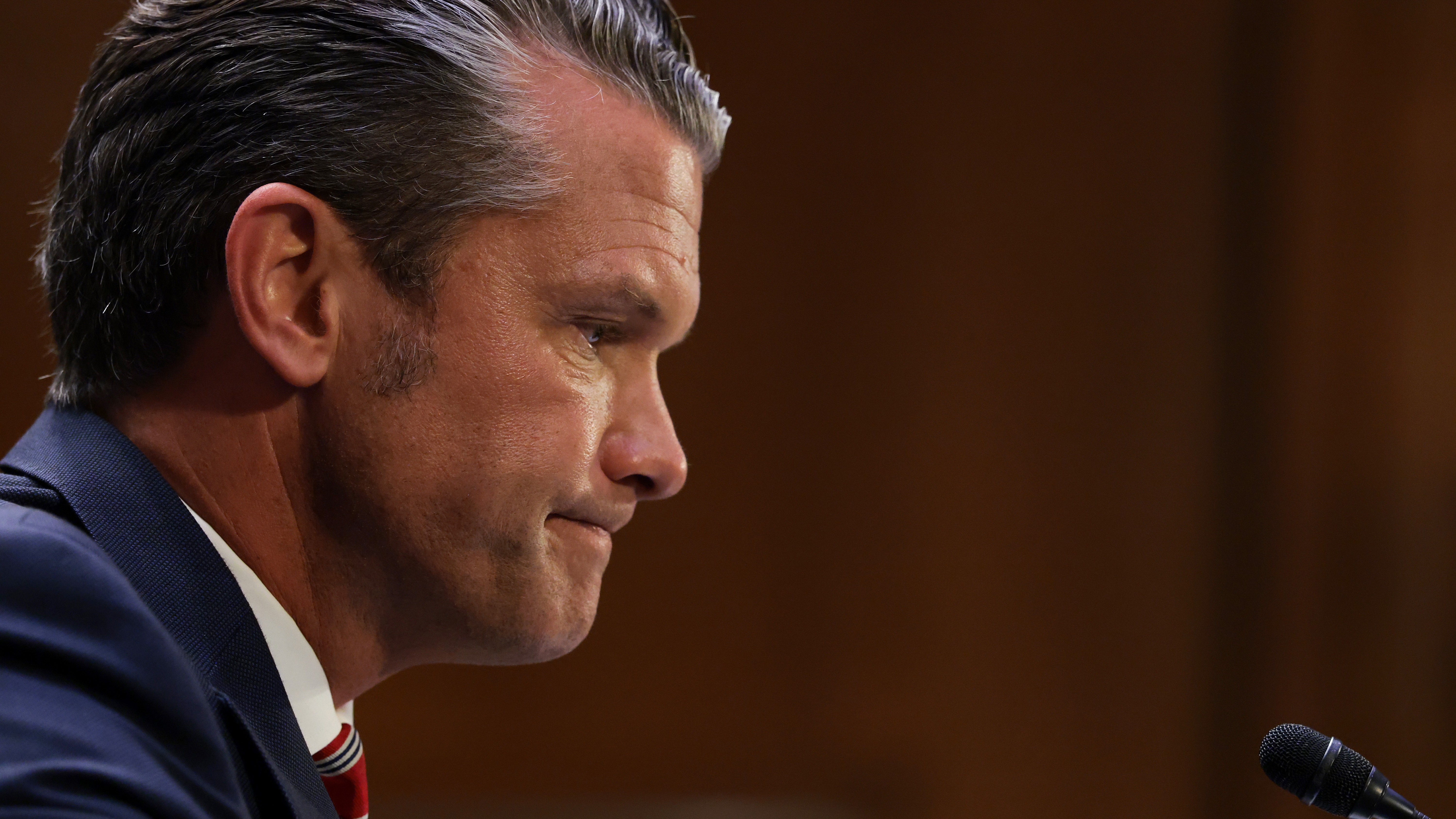
Pete Hegseth's appointment as the secretary of defense has proven to be a risky gamble. A television host with limited experience in national security, Hegseth was chosen for his loyalty to then-President Donald Trump. However, his tenure has been marked by a series of purges and resignations at the Pentagon, as officers and civilians are being forced out due to perceived insufficiencies in loyalty to the secretary.
The latest casualty is Army Secretary Dan Driscoll, who resigned after clashing with Hegseth over Army transformation and readiness. Driscoll had raised concerns with the administration, alleging that Hegseth was blocking efforts to improve the military's state. Hegseth's tenure has been fraught with problems, focusing more on his political grievances against the U.S. military, rather than providing sound advice to the commander in chief.
His animosity towards the Army, which he claims "spit me out," has led to the firing of Army Chief of Staff General Randy George and the pushout of other senior Army officers, leaving the Army without a Senate-confirmed chief of staff or secretary. In times of war, such incompetence poses a significant threat to national security.
Hegseth's history of mishandling sensitive information, dissembling about Iranian attacks on U.S. bases, and his support for Trump's decision to attack Iran have been detrimental. While other senior officials, including the Secretary of State and CIA Director, opposed the attack, Hegseth sided with Trump, disregarding their warnings of potential consequences, such as a more hard-line regime and destabilization of the global energy market.
Despite warnings from senior military leaders, including the Chief of Naval Operations, that the U.S. cannot indefinitely sustain military operations against Iran, Hegseth has continued to support the war, leaving the U.S. and its allies vulnerable to threats from China and Russia.
Written by urgent.news from The Atlantic's reporting — not their text. Machine-written — may contain errors; check the original before relying on it.