Heathland plan to support two rare species of ant
Devon Wildlife Trust says it will improve the heathland homes of the narrow-headed and erratic ants.
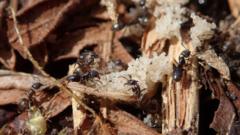
A new conservation project aims to protect two rare species of ant found in the UK. The Devon Wildlife Trust, in collaboration with the invertebrate conservation charity Buglife, will improve the heathland habitats of both the narrow-headed and erratic ants. The narrow-headed ant, which is only found in one location in England, currently resides at Chudleigh Knighton Heath nature reserve operated by the wildlife trust.
The erratic ant, a nationally scarce species, was discovered at Bovey Heathfield nature reserve managed by the same charity.
The three-year initiative is funded with £212,000 from the government's wildlife restoration campaign. Buglife's conservation officer, Laura Krusin, highlighted that both ant species have experienced declines in their numbers over the past 150 years, largely due to the loss of their heathland homes. To secure the existing ant colonies, the trust plans to enhance the heathland habitat at the nature reserves, with the goal of doubling the number of narrow-headed ant nests from 200 to over 400 at Chudleigh Knighton Heath.
In addition to Chudleigh Knighton Heath, the project aims to establish new colonies of both ant species at suitable nearby heathland reserves, including Ideford Common and Teigngrace Meadow. Krusin explained that the narrow-headed ant, also known as a wood ant, earned its name due to the "pinched-look" of its head and is also found in a few sites in Scotland. The erratic ant derives its name from its high-energy foraging behavior, characterized by its meandering and unpredictable movements.
Written by urgent.news from BBC Science's reporting — not their text. Machine-written — may contain errors; check the original before relying on it.