Haldwani purification row: Caste back on political centre-stage
By TN Ashok The Haldwani controversy is larger than a quarrel between two political families. It has reopened one of independent India’s most uncomfortable questions: has caste-based untouchability really disappeared, or has it merely changed its vocabulary and rituals? India’s political battlefield has acquired an unusually old-fashioned weapon: holy water, a havan and the idea that […] The…
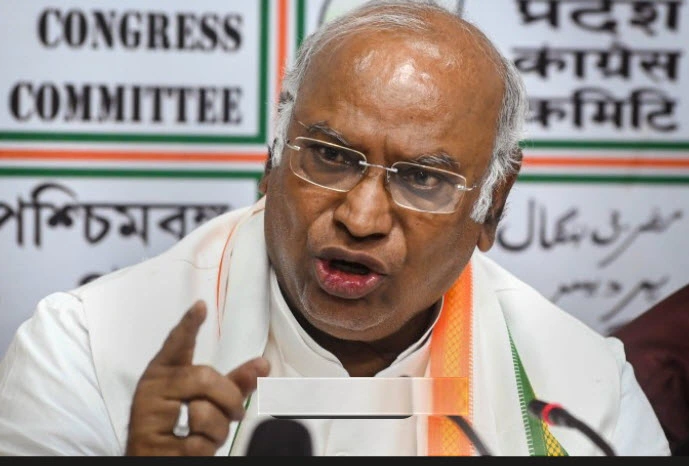
The Haldwani water purification controversy has reignited a debate about the lingering presence of caste-based untouchability in India. This incident occurred in Uttarakhand when Congress president Mallikarjun Kharge, a Dalit, addressed a rally at a venue that was subsequently subjected to a purification ritual by the right-wing organization Shri Ram Sena.
Congress officials viewed this act as a humiliating reminder of caste discrimination, while BJP leaders claimed it was simply a cleanliness or religious ritual. This leads to the larger question of whether untouchability has truly disappeared or merely changed its form and terminology. The controversy gained further traction when Rahul Gandhi, the Leader of the Opposition, accused the BJP of perpetuating caste-based discrimination and demanded an FIR under the SC/ST Act.
Instead, an FIR was filed against Rahul Gandhi for allegedly accusing the Shri Ram Sena of caste discrimination. This case exemplifies a broader issue: the persistence of caste prejudice within Indian society, regardless of which political party is in power. Similar incidents have occurred in other parts of the country, where temples and public places have been ritually purified after Dalit individuals entered their premises.
This pattern suggests that caste prejudice may still be deeply ingrained in certain sections of society, independent of political affiliations.
Written by urgent.news from Arabian Post's reporting — not their text. Machine-written — may contain errors; check the original before relying on it.