Government outlines seven measures to prepare for El Niño rains
The government has outlined seven key measures being implemented to strengthen preparedness and response ahead of the anticipated October–December El Niño rains, which are expected to bring above-normal rainfall across most parts of the country. The rains are expected to result in flooding, drowning, injuries and fatalities, displacement and isolation of communities, disease outbreaks, disruption…
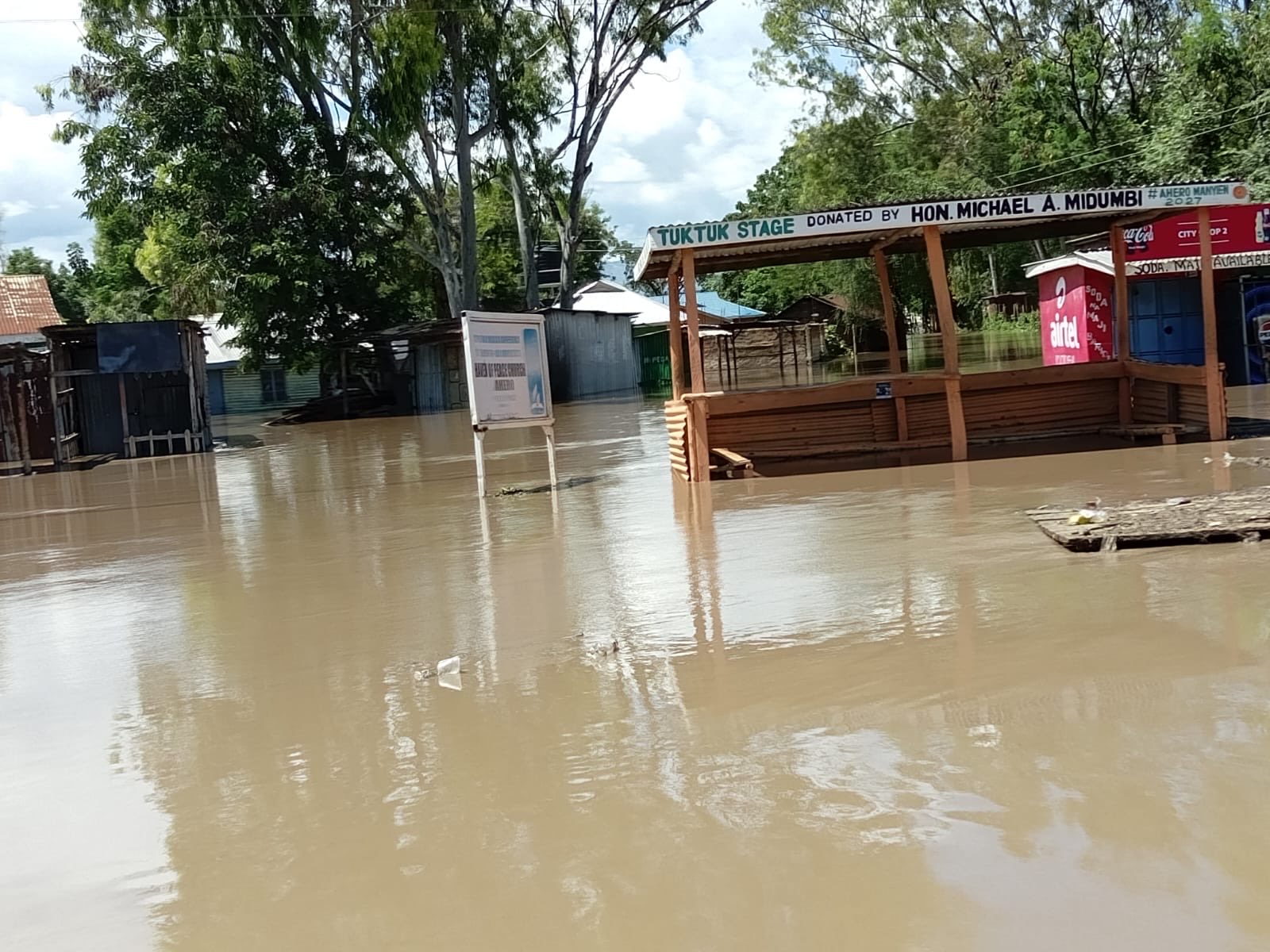
The Kenyan government has unveiled seven measures aimed at bolstering readiness and response mechanisms in anticipation of the forthcoming October–December El Niño rains, forecast to deliver above-average rainfall throughout the nation. These rains are anticipated to result in flooding, drownings, injuries, fatalities, displacement, disease outbreaks, disruption of essential services, and damage to roads and critical infrastructure.
Speaking on the matter, the government highlighted that the National Contingency Plan, co-developed with national and county government agencies, humanitarian partners, security forces, and other disaster management stakeholders, details the steps to enhance early warning systems and bolster response capabilities ahead of the rainy season.
Among the key preparations is the identification of hotspots prone to flooding and other consequences of heavy rainfall, which will guide the prioritization of preparedness, evacuation, and response efforts. These hotspots include riverine and low-lying areas, coastal regions, highland and landslide-prone areas, arid and semi-arid lands (ASALs), northern Kenya, as well as urban zones vulnerable to flooding.
Authorities have pinpointed roads and transport infrastructure at risk across the North Eastern, Tana River, Coastal, Western/Nyanza, Rift Valley, Turkana, Nairobi, Central, and Eastern regions, facilitating enhanced monitoring, preventive actions, and response planning.
Another crucial step involves unclogging and desilting drainage systems, culverts, and water channels, ongoing efforts to boost water flow and mitigate the threat of urban flooding. Specific choke points along drainage systems have been identified, and relevant agencies, including the Kenya Urban Roads Authority (KURA), are actively working to clear and unblock affected segments.
Furthermore, the government plans to raise awareness regarding the evacuation of residents living in riparian zones and other high-risk areas, with temporary shelters already designated to house populations potentially displaced by flooding and other emergencies. River and water body water levels are being closely monitored, with heightened vigilance around major dams and communities situated along riverbanks.
Moreover, first responders are being strengthened to promptly carry out search and rescue operations, evacuations, and post-disaster evaluations as needed. Community-level early warning systems are being fortified through Chiefs, Assistant Chiefs, and Nyumba Kumi structures to ensure that timely information reaches residents, especially those residing in high-risk zones.
Public education on disaster preparedness, early warning information, and suitable response measures is being intensified to ensure community understanding of risks and appropriate actions before, during, and after heavy rainfall.
The government's emergency relief inventory, consisting of food, non-food items, and emergency medical supplies, is being strategically positioned at key locations to expedite response efforts in the face of displacement or other crises. Coordination among National Government Administration Officers (NGAOs), county governments, the Kenya Red Cross Society, the National Drought Management Authority (NDMA), security forces, healthcare workers, and other disaster management partners is being strengthened to ensure a synchronized and timely response.
While the government remains committed to preparing the nation for the rainfall season, it emphasized that preparedness should not mask the inherent risks, warning that heavy rains could quickly overwhelm drainage systems, rivers, and critical infrastructure, particularly in recognized vulnerable areas. The potential for flooding, displacement, loss of livelihoods, infrastructure damage, and, in extreme cases, loss of life remains significant.
Written by urgent.news from KBC's reporting — not their text. Machine-written — may contain errors; check the original before relying on it.