Gary’s Two-Week Blackout Is a Warning for America
After two weeks of darkness, power has been restored to all the citizens of Gary, Indiana, an old, low income, lakefront, industrial city within sight of Chicago. The outage did get some national publicity, TV stories showing the residents of Gary roaming around in the hot nights, showing empty refrigerators in dark apartments, complaining bitterly. But, you know, not a story as spectacular as…
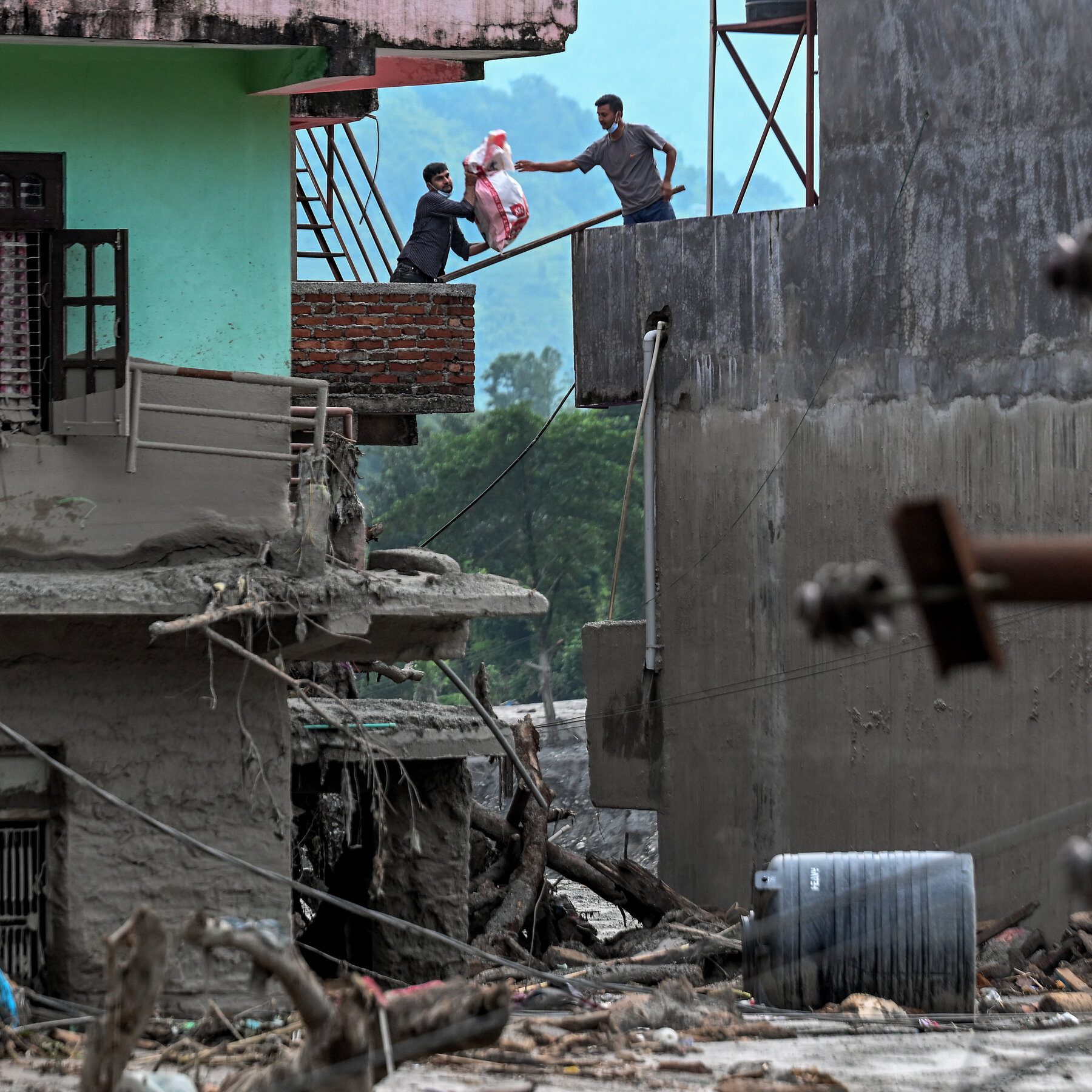
In Gary, Indiana, a lakefront city known for its industrial background, residents experienced a two-week power outage following a violent storm that toppled trees and left some questioning the adequacy of tree trimming. The outage was not a national headline like other major power failures, but it was a stark reminder of the potential risks associated with our aging infrastructure and the impacts of climate change.
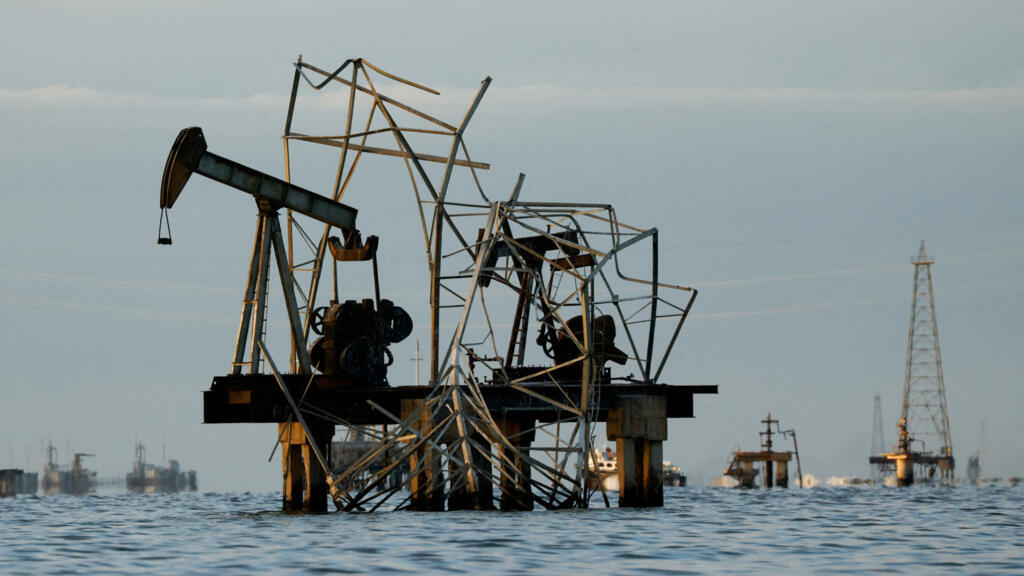
Experts have long warned of the consequences of ignoring these issues, yet the electricity industry largely disregarded their predictions. The combination of aging equipment, increased demand, and a growing reliance on technology has led to a decline in overall system reliability. The statistics show a 25-year decline in power reliability, and this incident is just one more example of a broader pattern.
The potential solution lies in the adoption of standalone power sources such as solar and batteries, which could eventually replace the public network as a last resort. However, this scenario raises equity concerns, as electricity should be as essential as clean water. The development of fusion power, a seemingly unlimited energy source, also depends on the robustness of our electric grid.
With the grid being a complex, interconnected system, it is clear that the invisible hand of the market will not provide it. Therefore, it is imperative to prioritize infrastructure development before introducing new power sources. In recent discussions, an AI expert revealed that the connection to the grid could take anywhere from four to twelve years, depending on the situation.
This brings up the question of why AI professionals are planning without fully understanding the limitations of our current network.
Written by urgent.news from OilPrice's reporting — not their text. Machine-written — may contain errors; check the original before relying on it.