France targets Shein and Temu with fast fashion fees
France has begun imposing fees on fast-fashion items, which could reach almost €20 per garment by 2030, as the government tries to curb sales of cheap clothing on e-commerce sites.
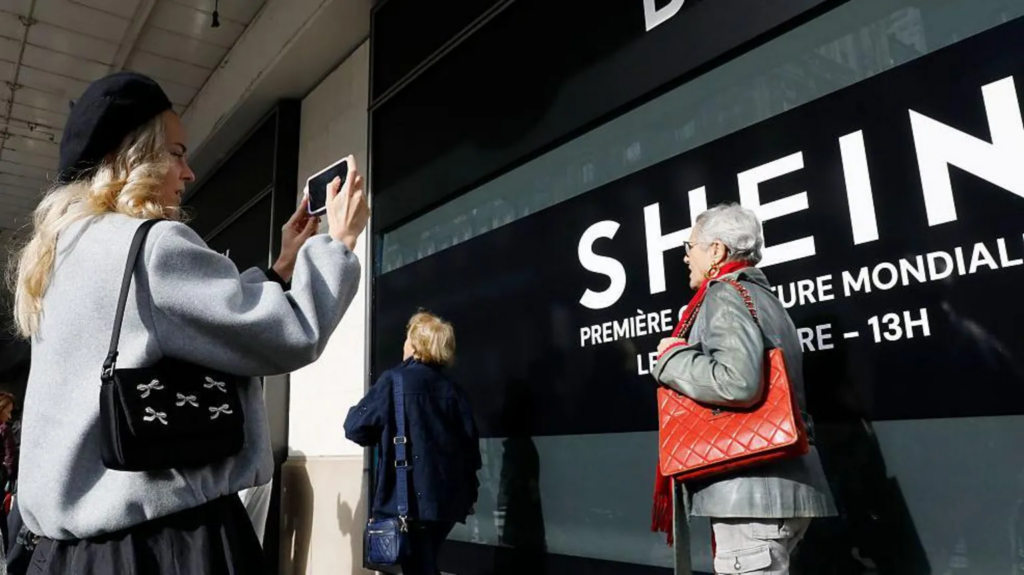
France has introduced fees on fast-fashion items, with charges potentially reaching €20 per garment by 2030. This levy, implemented on Tuesday, is part of a new law targeting "ultra-fast fashion" companies like Shein, Temu, and AliExpress. French officials have criticized these e-commerce giants for driving a surge in fast fashion, which they claim harms the environment and economy.
China's commerce ministry has denounced the French law as discriminatory and a trade barrier, potentially violating World Trade Organisation principles.
French minister Mathieu Lefevre stated that the "harmful effects of ultra-fast fashion" are well known. In July, Lefevre's office clarified that the levy would not apply to retailers such as H&M or Zara, leading some to believe the measure favors European companies. Under the legislation, the per-item fee varies based on the volume of clothing placed on the market and the cost of repairing garments relative to their purchase price.
For 2026, the charges range from €0.50 for underwear to €2 for T-shirts, €9 for jeans, and €12 for jackets. By 2030, the levy could reach up to €19.50 per item, though it remains at 50% of the product's pre-tax price.
The legislation comes amid growing concerns over the rapid growth of fast-fashion retailers, with Shein, a Chinese-founded company, valued at $26.2bn on its debut on the Hong Kong stock market. Despite initial estimates of nearly $100bn, the brand has faced intense competition, trade tensions, and ethical questions regarding its supply chain.
Shein warned that the legislation would "worsen the purchasing power of French consumers" during a cost-of-living crisis. Temu, also owned by Chinese entities, has been similarly criticized by politicians in the UK and US. A spokesperson for Temu acknowledged environmental concerns but argued that it is a marketplace, not a fast-fashion company, as it does not manufacture its own products.
Written by urgent.news from MyJoyOnline Ghana's reporting — not their text. Machine-written — may contain errors; check the original before relying on it.