European shares drop to multi-week lows on global bond rout and Middle East threat
European equities remained stagnant on Tuesday as global bond market turmoil and escalating Middle Eastern conflicts dampened risk appetite. The pan-European STOXX 600 index stood flat, while Germany's DAX slipped 0.6% and France's CAC 40 rose by 0.1%. London's FTSE 100 ticked down by 0.4%. Energy producers experienced gains, but they were outpaced by widespread selling across the continent, as investors grappled with surging sovereign borrowing costs, potential cost-push inflation, and crucial economic data releases.
The market's sharp decline began in Asia, where the Japanese 10-year government bond yield hit its highest level in a generation. This surge in yields triggered a global re-pricing of interest rates, elevating U.S. Treasury and European sovereign yields. Investors demanded higher term premia due to persistent inflation fears and heavy debt issuance.
Sectors sensitive to interest rates, such as technology, real estate, and high-dividend utilities, suffered significantly as higher discount rates reduced the attractiveness of equity valuations. Geopolitical tensions intensified following a new military escalation between U.S. forces and Iran. Iran retaliated by launching missile strikes on two U.S. military bases in Jordan, responding to American air strikes on Iranian targets.
U.S. President Donald Trump threatened further military actions against Iranian infrastructure, eroding hopes for an immediate ceasefire or diplomatic resolution. This heightened geopolitical anxiety pushed energy commodities higher, raising concerns about prolonged supply disruptions in the Persian Gulf and potential inflationary pressures in European supply chains.
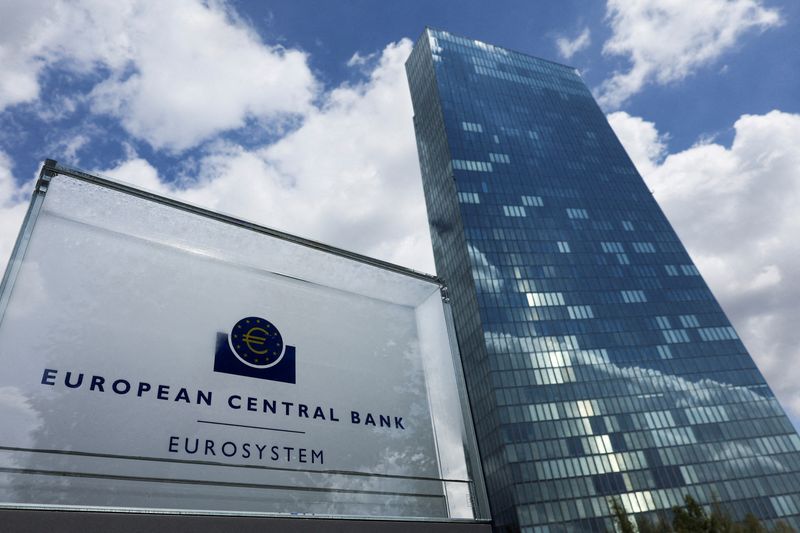
Eurozone August Consumer Price Index (CPI) data is expected to confirm continued inflation pressures, signaling a likelihood of another 25-basis-point interest rate hike from the European Central Bank during its upcoming policy meeting. Financial markets were closely monitoring the July U.S. Job Openings and Labor Turnover Survey (JOLTS), which would offer early clues about labor market tightness ahead of Friday's nonfarm payrolls report and the Federal Reserve's September rate decision.
Regional bourses saw Germany's DAX and France's CAC 40 trade in the red, mainly due to losses in industrial, automobile, and consumer sectors. In contrast, London's FTSE 100 faced modest declines, supported by its concentration of major integrated oil and mining stocks.
Written by urgent.news from Investing.com's reporting — not their text. Machine-written — may contain errors; check the original before relying on it.