Euro zone factory growth at more than four-year high in August, shows PMI
The August PMI report provided the clearest signs yet that the euro zone's industrial economy has so far shaken off both the oil price shock and supply-related disruptions caused by the Middle East war.
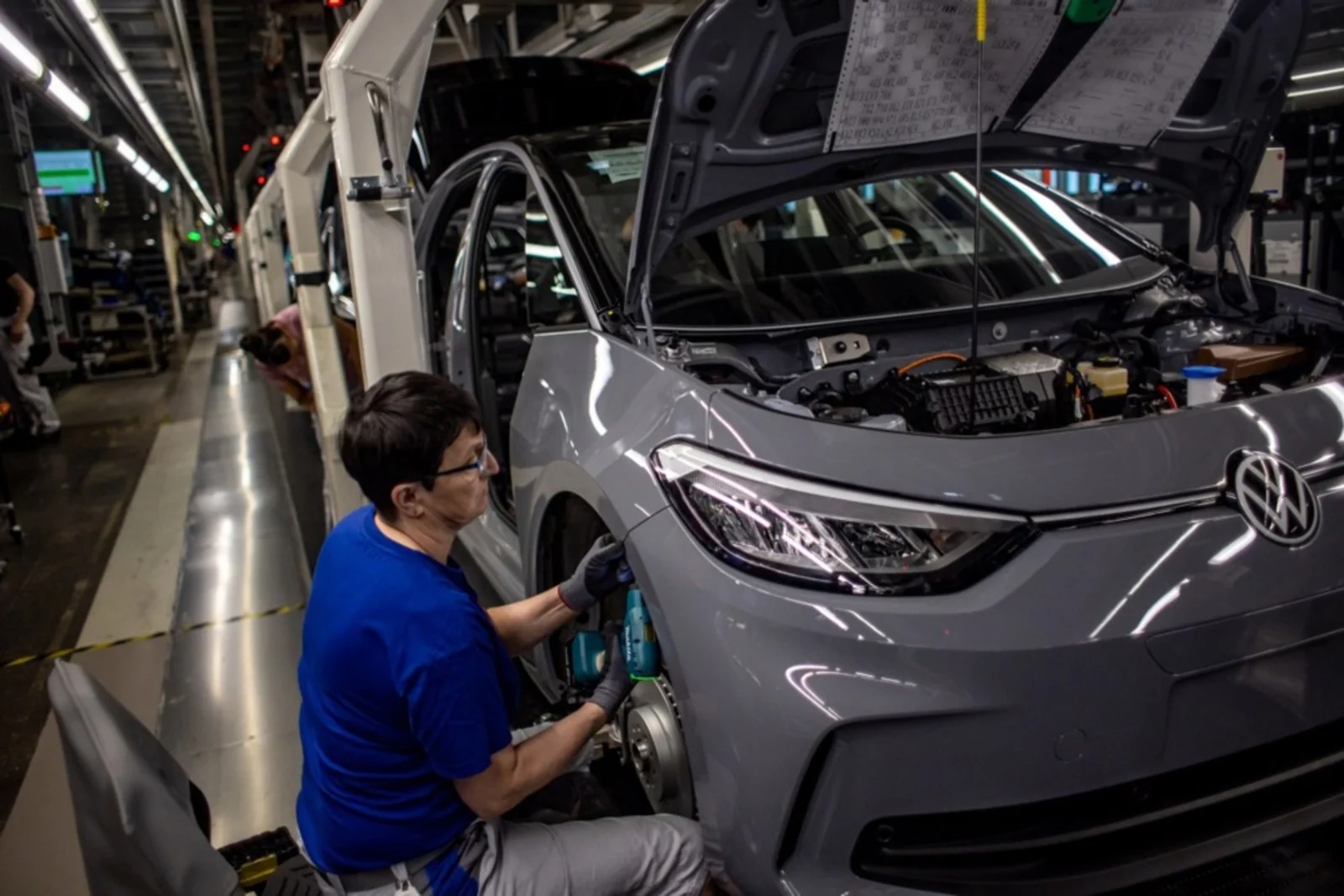
Euro zone manufacturing activity surged to its strongest pace in over four years in August, as indicated by a Purchasing Managers' Index (PMI) of 52.7, according to a survey by S&P Global. The rise was primarily fueled by a notable increase in new orders since early 2022 and a robust expansion in output.
The PMI, which surpassed 50.0 to signal growth, marked the highest reading since May 2022. Joe Hayes, an economist at S&P Global Market Intelligence, noted that the surge in new orders, particularly export orders, indicated a solid foundation for the expansion. These export orders had only previously seen such growth twice in the past 4.5 years, primarily in Austria, Germany, and the Netherlands.
Factory output growth also accelerated, reaching a 54-month high of 53.3, driven by the production of intermediate goods such as chemicals, metals, and electronic components. Germany experienced its strongest factory growth in over four years, while France added to the overall growth. However, Italy faced its first contraction since January, and Spain also reported negative growth.
Despite these fluctuations, employment remained relatively stable, marking a shift after three years of consecutive monthly declines. Input cost inflation eased to a six-month low, though it remained significantly higher than levels prior to the Middle East conflict. Producer price inflation followed a similar trend.
Hayes remarked that the easing of producer price increases, even amidst the ongoing oil market volatility, helped to alleviate broader inflation concerns. However, the pace of disinflation was beginning to slow, and the PMI's price metrics remained well above their pre-war levels, which could potentially encourage a more cautious approach from euro zone monetary policymakers.
Inflation data expected on Tuesday is projected to show an increase to 3.3% in August from 2.9%. The European Central Bank is anticipated to raise interest rates again this month, given the impact of high energy prices on inflation, and is expected to maintain unchanged policy through at least the middle of 2027, according to a Reuters poll. Manufacturers' business confidence also rose for a fourth consecutive month, with optimism about the 12-month outlook surpassing its long-term average.
Written by urgent.news from Free Malaysia Today's reporting — not their text. Machine-written — may contain errors; check the original before relying on it.
This story
This is one outlet's version. Read the fullest account.
- Euro zone factory growth at more than four-year high in August, shows PMI freemalaysiatoday.com