EU official says it’s not time to ‘normalise’ Russia at G20 finance talks
EU economy chief Valdis Dombrovskis made the remarks as European leaders pushed back against the Russian finance minister's attendance at ongoing talks.
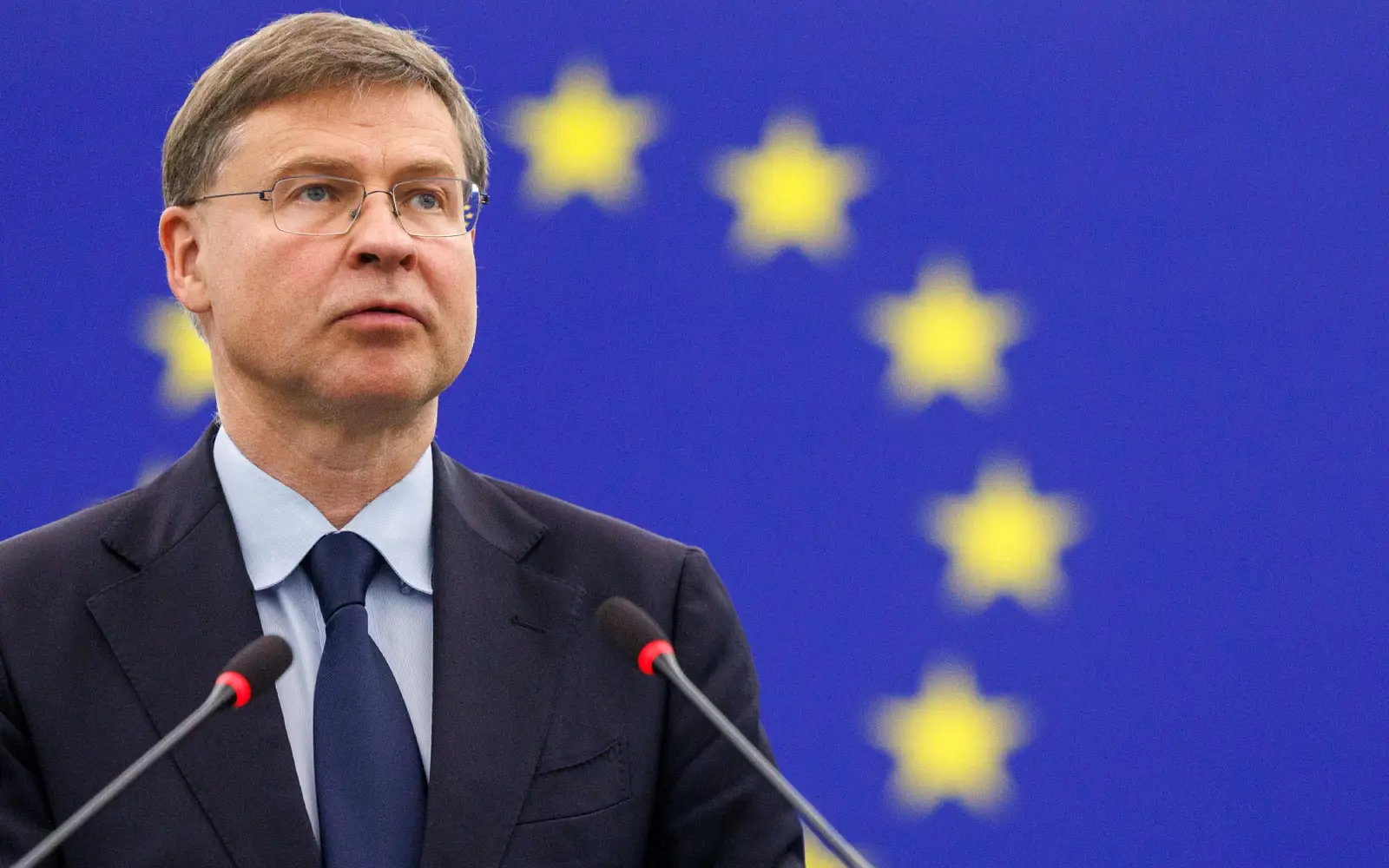
Valdis Dombrovskis, the European Union's chief economy official, stated on Tuesday that Europe does not wish to "normalise" Russia or allow its participation in G20 finance meetings. The Latvian official made these remarks while commenting on the ongoing talks of European leaders, which took place in Asheville, North Carolina. Dombrovskis clarified that the European perspective is clear: they do not believe it is appropriate to normalize Russia's presence at such gatherings.
The discussions among the finance ministers and central bank governors of the G20 nations revolve around economic imbalances, as well as issues such as China's industrial overcapacity and the European Union's concerns about unfair trading practices. The finance leaders are convening in Asheville for two days, but their talks have been overshadowed by the ongoing conflict between the United States and Iran, as well as US President Donald Trump's imposition of tariffs.
European leaders have expressed frustration over the unexpected attendance of Russian Finance Minister Anton Siluanov, who attended the meetings following Russia's invasion of Ukraine in 2022. His presence sparked protests from European leaders who have sought to isolate Moscow on the world stage. Siluanov's participation prompted European officials to avoid appearing in a family photo taken with their Russian counterpart.
The ongoing Russian invasion has intensified Moscow's strikes on Kyiv, and US-brokered talks remain frozen due to the Kremlin's maximalist demands for an end to the war. Siluanov also held a bilateral meeting with US Treasury Secretary Scott Bessent in Asheville. With the US hosting the G20 presidency, Washington has been attempting to rally partners towards increased economic pressure on Iran and stimulate economic growth.
The G20, comprising 19 nations along with the European Union and the African Union, was created following the 1997-1998 Asian financial crisis to enhance global economic and financial stability. As leaders gather for their summit in December in Miami, it is unlikely that the G20 finance talks will produce significant breakthroughs, given the numerous differences among G20 ministers, including disagreements on how to address China's industrial overcapacity and Iran sanctions.
Written by urgent.news from Free Malaysia Today's reporting — not their text. Machine-written — may contain errors; check the original before relying on it.
Also reported by 1 other outlet
- EU official says it’s not time to ‘normalise’ Russia at G20 finance talks freemalaysiatoday.com