E-waste collection faces gaps as government sets sights on recycling for precious metals
Even as the Union government has introduced schemes to increase recycling of rare earth elements and precious metals in electronics, experts cite steep hurdles in formalisation and implementation
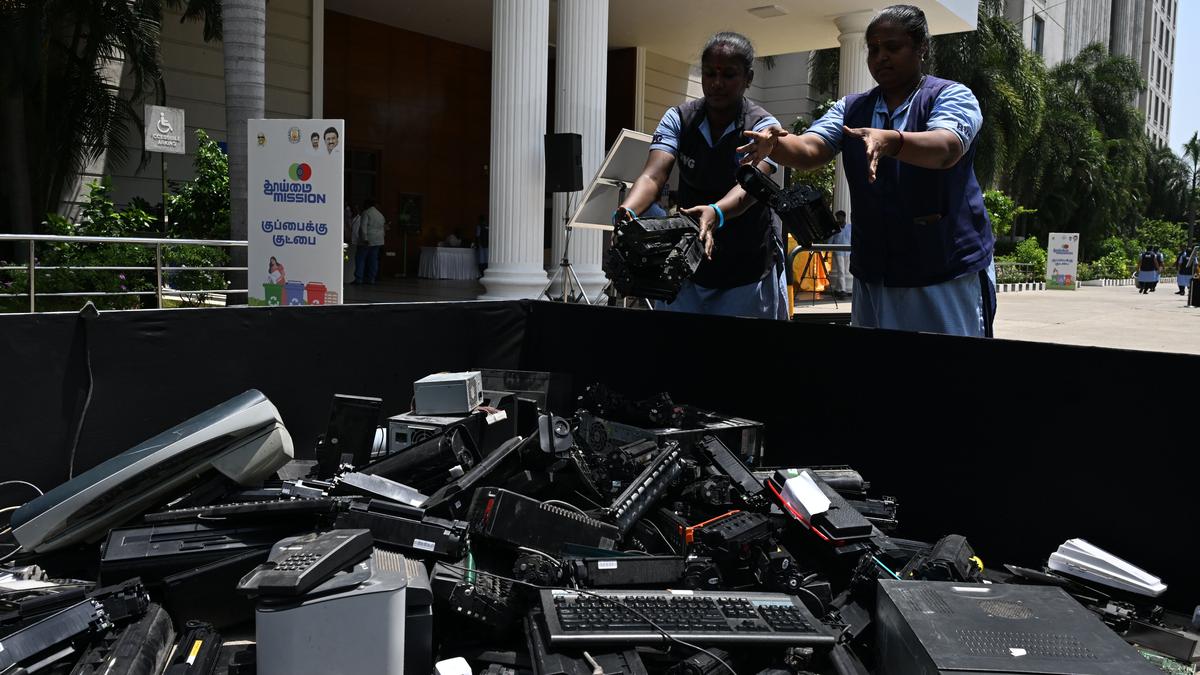
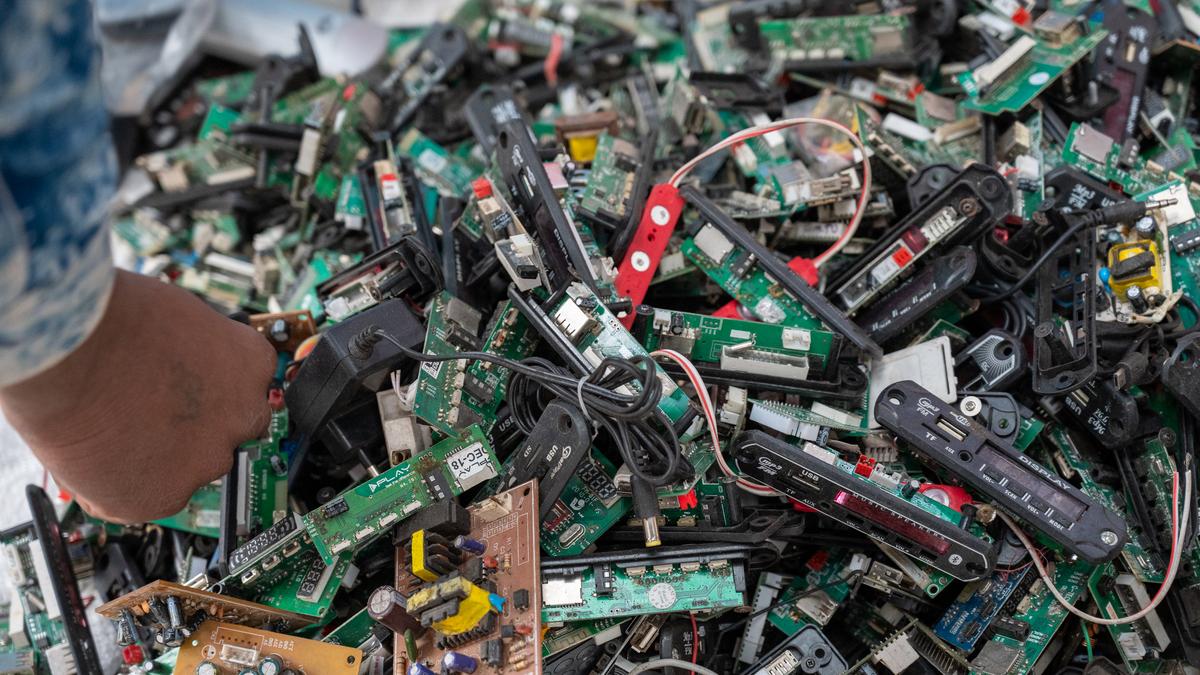
India's e-waste recycling sector faces significant challenges as the government pushes for increased recycling of precious metals and elements. Despite millions of tonnes of consumer electronics and appliances being disposed of, the informal sector dominates the recycling process, complicating efforts to create a circular economy.
The government's ₹1,500 mineral recycling scheme, introduced in September, aims to expand domestic manufacturing capacity and address the reliance on imports of scarce materials like copper, aluminium, nickel, cobalt, and lithium. In 2022, India generated an estimated 4.17 million metric tonnes of e-waste, with only one-third processed through proper channels.
While the current recycling rate for precious metals and rare earth elements is negligible, experts suggest that with proper policy support, India could meet 70% of its rare earth material needs within 18 months. However, issues such as "paper trading" by recyclers, lack of material traceability, and inconsistent inventory methods pose significant hurdles to improving recycling rates.
Written by urgent.news from The Hindu - Sci-Tech's reporting — not their text. Machine-written — may contain errors; check the original before relying on it.