Urgent.News

What's breaking now, across thousands of outlets.

Science

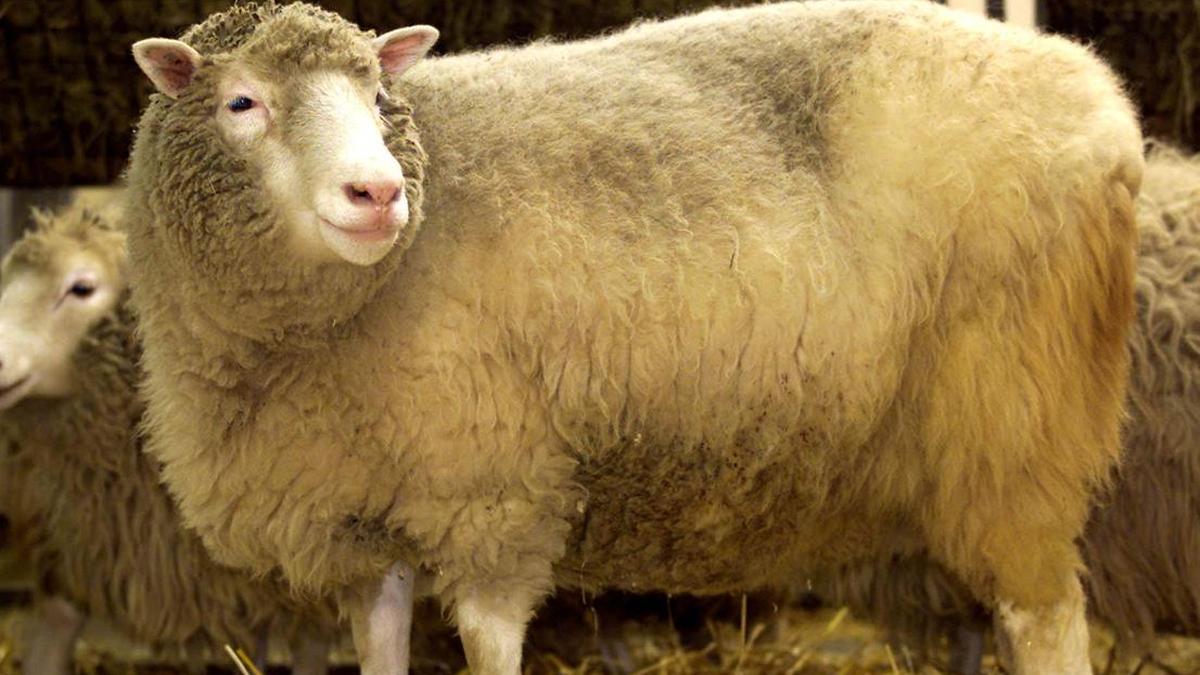
Dolly, the sheep that stands as an icon for cloning

On July 5, 1996, Dolly the sheep was born. The existence of Dolly – the first mammal to have been successfully cloned from an adult cell – wasn’t revealed to the world until February 22 the following year. Thirty years on after Dolly’s birth, A.S.Ganesh tells you some secrets about her and the debates that centred around her…
Dolly, the sheep that stands as an icon for cloning

Dolly the sheep is an iconic symbol of cloning, often recognized as the first mammal cloned from an adult cell. This groundbreaking achievement was made by a team at the Roslin Institute in Scotland, led by Ian Wilmut. The process involved extracting the nucleus from a cell taken from an adult Finn Dorset sheep's udder and implanting it into an empty egg cell from a Scottish Blackface sheep.

After careful development in a test tube and transfer to a surrogate mother, Dolly was born on July 5, 1996. Despite being born to a Scottish Blackface sheep, Dolly's white coat and face clearly identified her as a Finn Dorset clone. The team faced significant challenges in their work, including maintaining secrecy due to publication requirements.

Dolly's unique position in scientific history was marked by her ability to be derived from an adult cell, confirming that differentiation of that cell did not involve irreversible genetic modification required for development to term.

Written by urgent.news from The Hindu - Sci-Tech's reporting — not their text. Machine-written — may contain errors; check the original before relying on it.

Read the original at thehindu.com →

More in Science

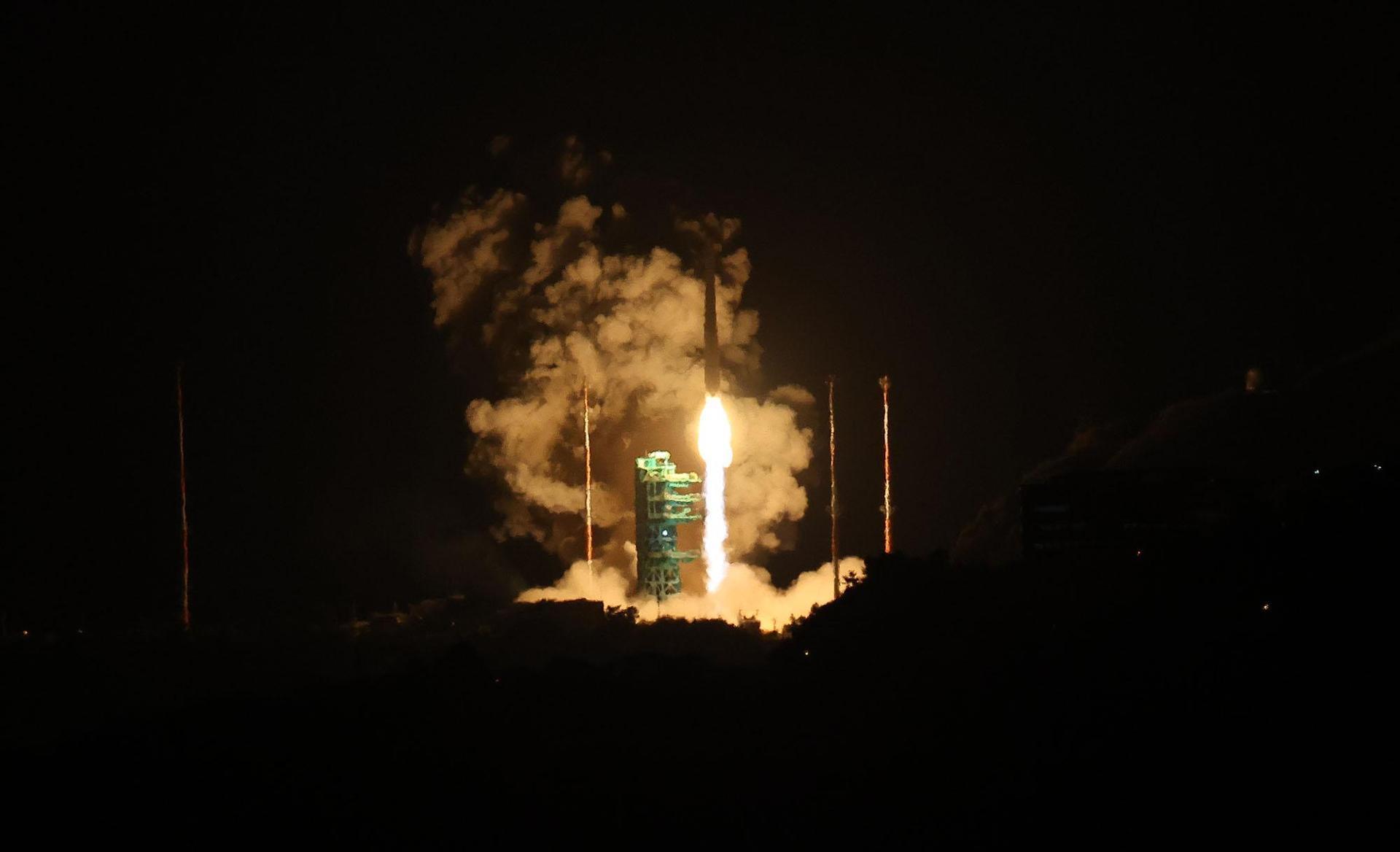
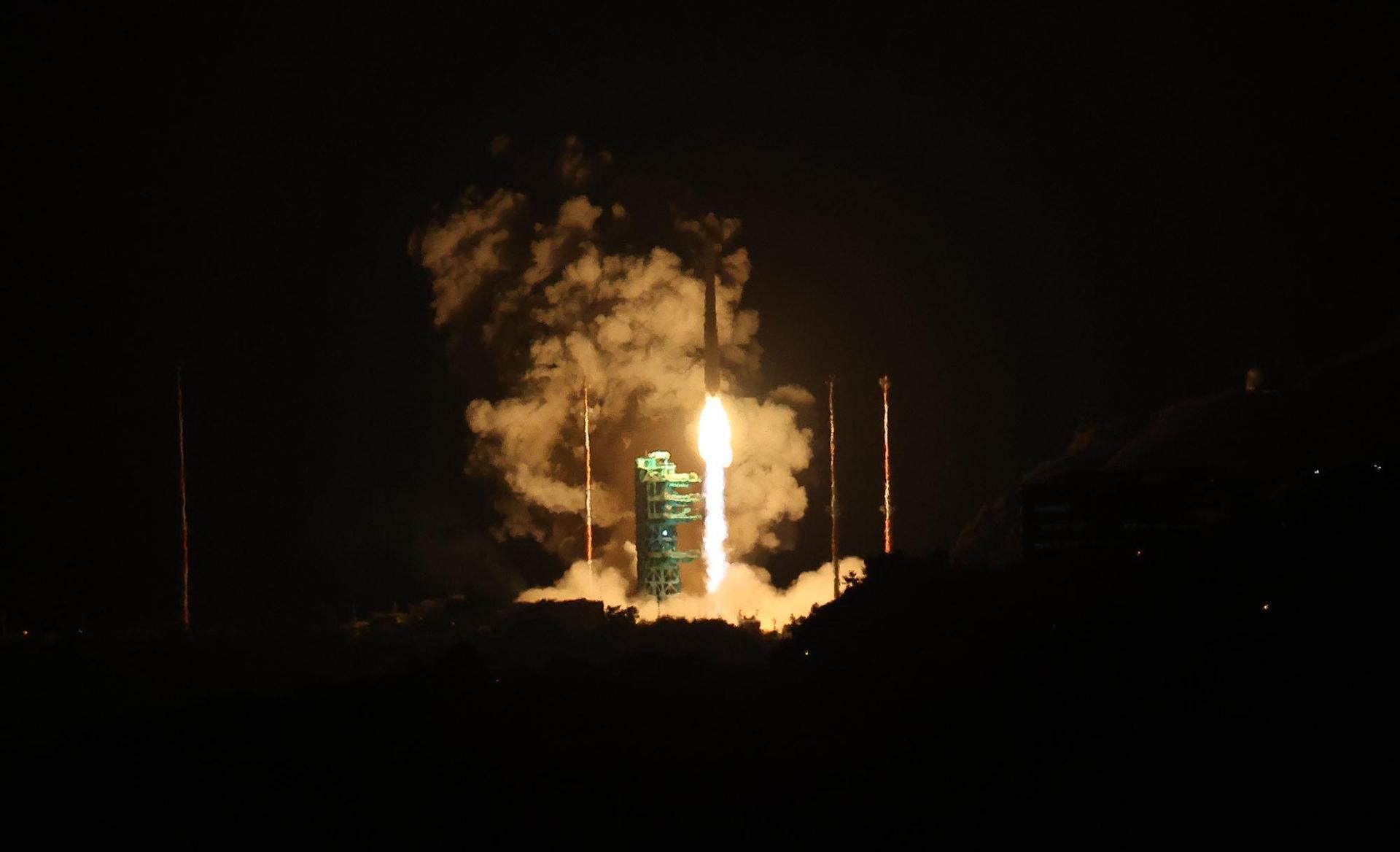
KASA seeks record budget for 2027 to nurture space as strategic industry

Korea's space agency said Tuesday it will seek a 1.65 trillion-won ($1.2 billion) budget next year, as part of its effort to nurture aerospace as one of the country's strategic industries. The 2027 budget proposal to be submitted to the National Assembly is a 47.2 percent increase from the budget this year, the highest since the agency…

KASA seeks record budget for 2027 to nurture space as strategic industry

Korea's space agency said Tuesday it will seek a 1.65 trillion-won ($1.2 billion) budget next year, as part of its effort to nurture aerospace as one of the country's strategic industries. The 2027 budget proposal to be submitted to the National Assembly is a 47.2 percent increase from the budget this year, the highest since the agency…

Electrically Charged Raindrops Can Corrode Cars and Buildings

Researchers have found that tiny electrical charges picked up by moving water droplets may be damaging cars and buildings like the Eiffel Tower. In experiments, thousands of charged droplets degraded Teflon and corroded the copper beneath it, while uncharged droplets caused no comparable damage.

  • Tiny electrical charges on raindrops degrade Teflon and corrode copper.
  • Contact electrification causes water droplets to become charged spontaneously.
  • Study suggests electrical state of water droplets influences corrosion.

In This Issue

Proceedings of the National Academy of Sciences, Volume 123, Issue 35, September 2026.

More from Tuesday 1 September →