Desde hoy, alivio fiscal de 20 céntimos en el diésel con carburantes en máximos y crudo al alza
Se activa la cláusula de salvaguarda que eleva la bonificación del gasóleo en el Impuesto de Hidrocarburos, mientras que en la gasolina, por el contrario, el descuento se reduce de 10 a 5 céntimos. Leer
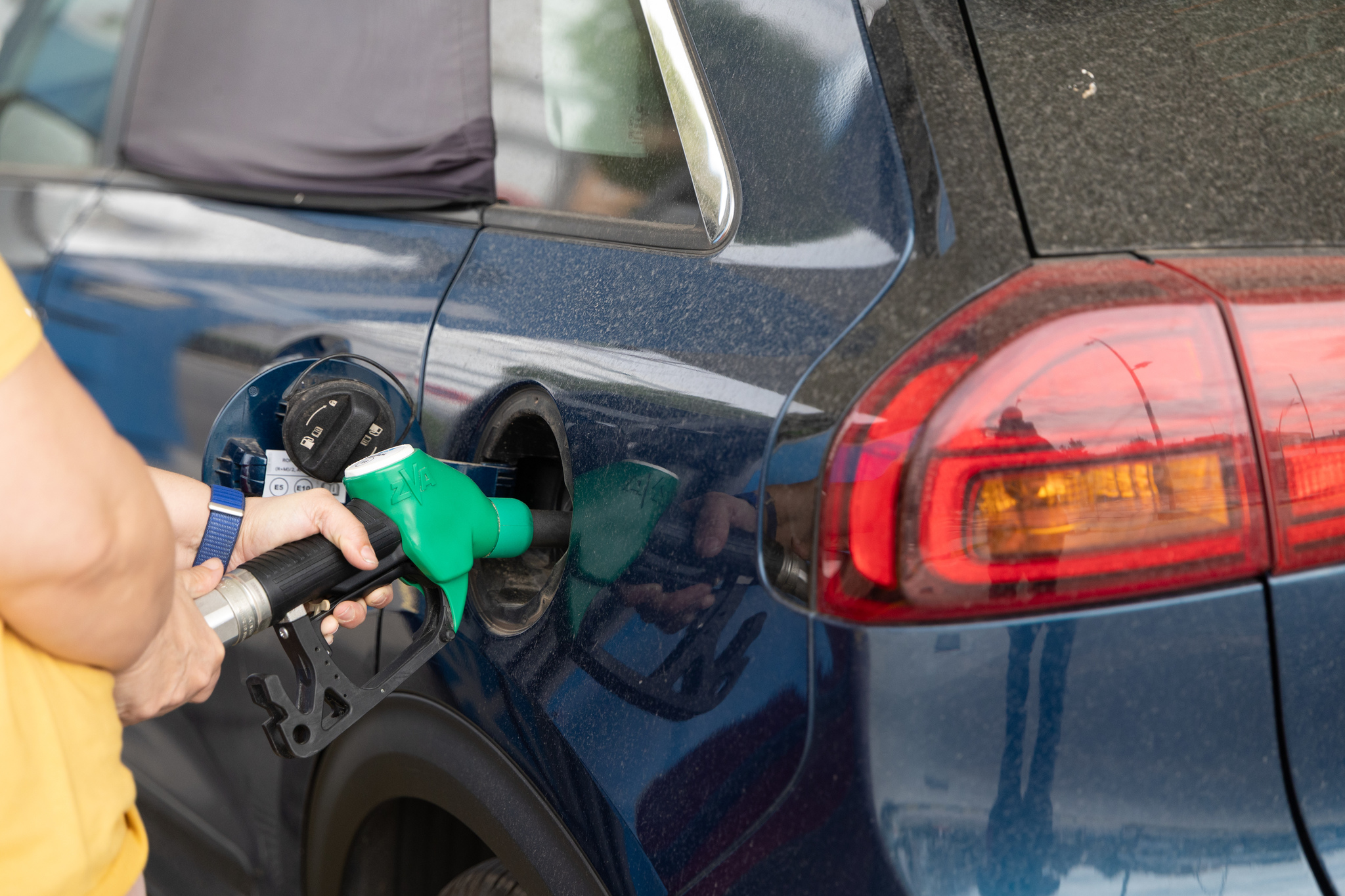
Starting today, a fiscal relief of 20 cents will be granted to diesel fuel, while gasoline will see its discount reduced from 10 to 5 cents. The resumption of hostilities in the Middle East, with exchanges of attacks between the US and Iran, has once again raised tension in international energy markets, causing both oil and gas prices to surge.
The prospect of peace appears further away than ever, and instability is once again on the rise, hinting at a worsening of the current inflationary episode. The persistent blockade of the Strait of Hormuz continues to heighten pressure on crude prices, which have skyrocketed since the beginning of summer (nearly a 24% increase for diesel and about a 20% rise for gasoline), making the holiday return operation even more expensive and accelerating inflation to 4.3% in August, its highest level in three and a half years.
This relief, absent from the current backdrop of rising fuel prices fueled by the latest events in the Middle East, is the only short-term mitigation that may be granted. Since today, diesel will be subsidized with a 20-cent discount per liter, up from the 10 cents applied in August and the 5 cents planned for September if things had been back to normal, which hasn't happened.
The crisis decree originally anticipated a gradual reduction in fuel taxes but set a clause triggering this 20-cent discount if diesel prices increased by more than 15% in July, a threshold that was easily surpassed by diesel that month, with prices surging 15.7%. Gasoline, on the other hand, rose by 7.3%, so its subsidy is not only diminishing but will drop to 5 cents this September, down from 10 cents in August.
In practice, this translates to a slight price increase and the potential for gasoline to surpass diesel. The plan, barring additional measures from the government (as the crisis decree does not specify that August's inflation would trigger new subsidies), will only last until the end of September. However, the government assures that it will closely monitor the impact of the Iran conflict on the Spanish economy.
This small oxygen tank may provide some respite for diesel prices, but its future depends on the unfolding events in the Strait of Hormuz and their impact on crude prices. The prognosis is not optimistic, at least in the short term, given the worsening conflict and prolonged blockade of oil and other raw materials in the strategic Middle Eastern strait.
Brent oil, the most commonly consumed diesel, is currently around 1.85 euros per liter, up from 1.53 euros at the end of June, while gasoline 95 E5, also the most common, costs 1.72 euros per liter, up from 1.51 euros on June 29, according to the most recent data from the Ministry for Ecological Transition. The discount taking effect today is expected to ease the diesel price, but its future trajectory remains dependent on developments in the Strait of Hormuz and its impact on crude prices.
The situation is far from encouraging, especially with the widening war and the prolonged blockade of the oil flow and other raw materials in the strategic Middle Eastern strait. The Brent oil contract for November has again risen, returning to 90 dollars per barrel after dipping below 80 dollars on August 4th and 5th. However, the absence of negotiations between the US and Iran, along with the resumption of attacks between the two countries, has once again tightened the outlook, putting upward pressure on prices amid renewed supply concerns.
Crude is now 30% more expensive than at the end of February, before the war began. Experts warn that the key remains the blockade of Hormuz. The longer it persists, the greater the impact on energy prices and, consequently, on inflation. For now, Eurostat will release the harmonized euro area CPI for August, and it is expected that, like in Spain, France, and Germany, the euro basket of goods will reflect the price hike driven by the war's impact on energy markets.
Written by urgent.news from Expansion ES's reporting — not their text. Machine-written — may contain errors; check the original before relying on it.