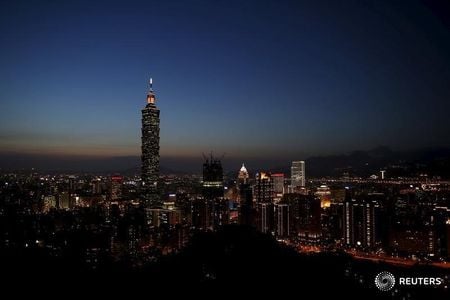
Defence spending and the stability of a country
Defence spending is rising across Europe, and I guess that the War in Iran will lead to more defence spending in that region as well.
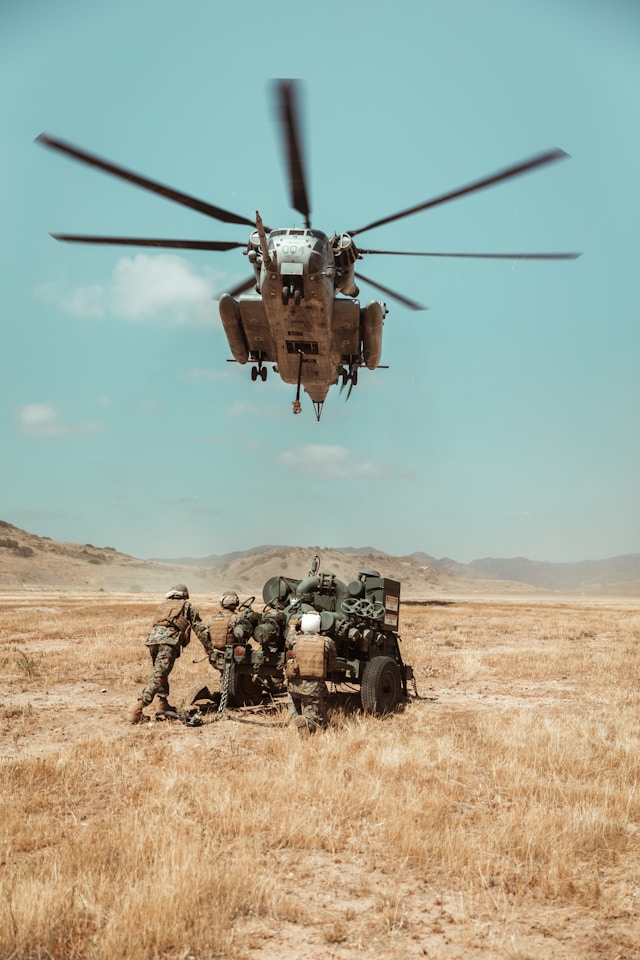
Across Europe, defence spending is on the rise, potentially driven by the ongoing conflict in Iran. This trend raises an intriguing question: could increased defence expenditure destabilise a nation? Rajeev Goel and Michael Nelson, researchers from the University of Minnesota, explored this issue in a study analysing over 150 countries. Their findings reveal a link between rising military spending and political instability, including military coups and insurrections.
However, Goel and Nelson's analysis does not differentiate between developed and emerging economies. They do, though, break down the data by time periods and compare the impact of various factors, such as democratic governance and levels of corruption. A visual representation of their findings shows that higher defence spending correlates with increased fragility, but this correlation has diminished in recent years, likely due to pandemic-era spending increases in developed European nations.
Moreover, democratic governance emerges as a crucial factor in mitigating the risk of military coups.
While the correlation between military spending and a country's vulnerability to instability may indicate causation, the researchers conclude that corruption poses the most significant threat. When political corruption infiltrates a nation's governance, the entire country becomes more fragile, prone to civil unrest and military takeovers. Thus, while defence spending is a factor to consider, corruption remains the paramount concern for a nation's stability and resilience against internal strife.
Written by urgent.news from Klement on Investing's reporting — not their text. Machine-written — may contain errors; check the original before relying on it.