Cognitive Dissonance Dominates Hormuz
Ships can’t navigate a reality that exists only in Trump’s head.
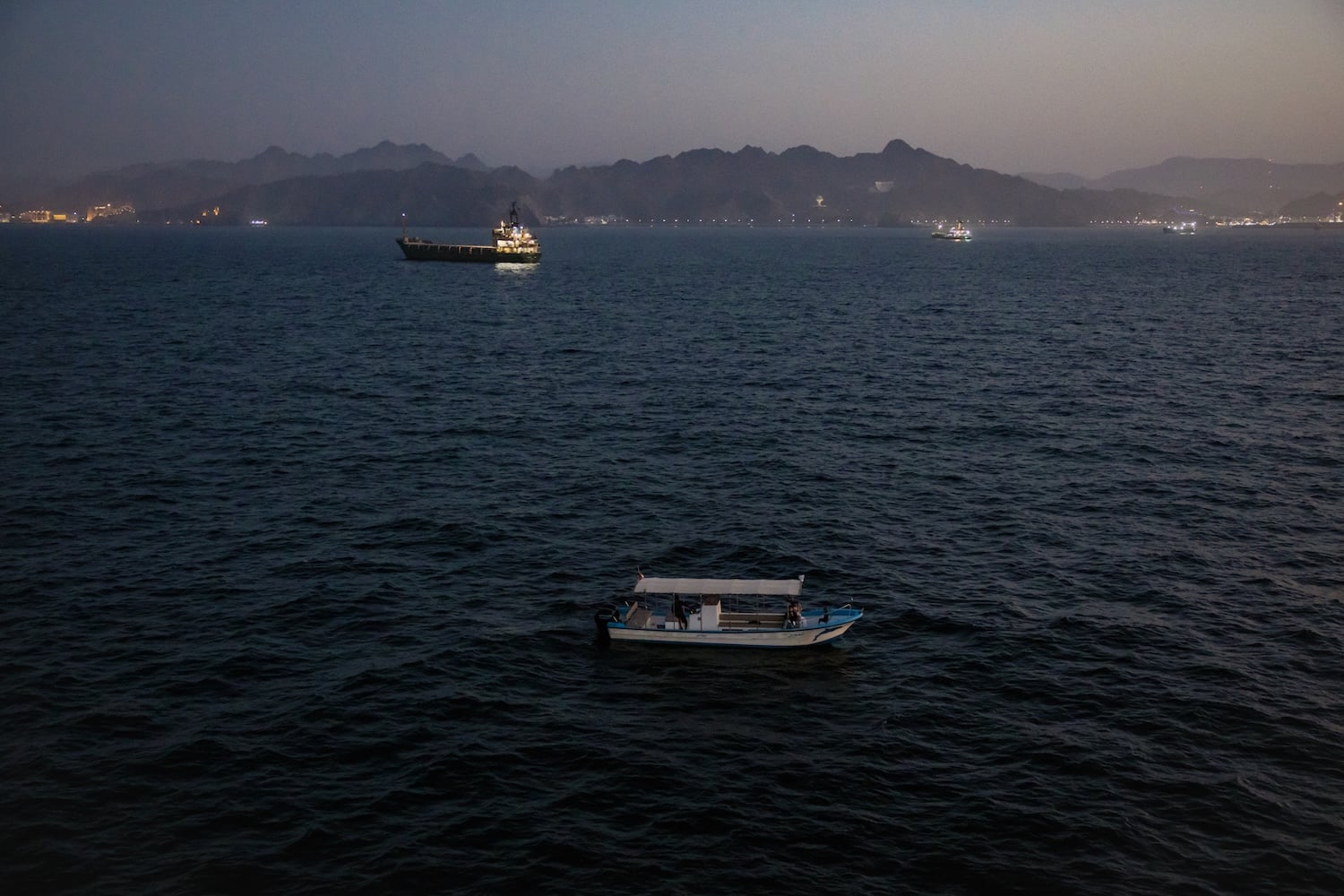
The Strait of Hormuz, a critical shipping lane in international waters, has been a major concern due to Iran's strategic decision to mine its Traffic Separation Scheme (TSS). This blockade posed significant risks to international shipping, particularly during the ongoing conflict. U.S. President Donald Trump initially announced that all mines had been removed from the strait, a claim that initially boosted global oil markets.
However, the shipping community remained skeptical, and traffic through the strait remained at a fraction of its pre-war average. Despite Trump's assertions, the U.S. Central Command (Centcom) leader, Brad Cooper, had stated that clearing all the mines was impossible due to the difficulty in accurately assessing their location and quantity.
Tragically, the situation worsened when the U.S. military launched a retaliatory strike against Iran after discovering their intentions to lay more mines. The White House's subsequent actions, including a video of Iran's Kharg Island being depicted as destroyed, led to a rise in oil prices. However, this apparent success was short-lived as the shipping community continued to report steady traffic, indicating that not all mines had indeed been cleared.
The cognitive dissonance between Trump's declarations and the reality of the strait's situation has had far-reaching consequences. Trump's assertions about Greenland's desire to join the U.S. and Iran's imminent collapse have proven to be equally baseless, leading to a loss of credibility for the United States. The inability to accurately assess the situation in the Strait of Hormuz, coupled with the inaccuracies in other geopolitical forecasts, has eroded trust in U.S. government reports.
Even Iranian and Russian government sources are now viewed with skepticism, as they appear to be more aligned with their respective governments' interests. This widespread cognitive dissonance highlights the challenges faced by a powerful nation led by an individual with autocratic tendencies, where reality often proves to be more stubborn than initial predictions.
Written by urgent.news from Foreign Policy's reporting — not their text. Machine-written — may contain errors; check the original before relying on it.