Citigroup boosts headcount by 25% on north Asia desk, Invesco has new Asia-Pacific head
US financial institutions Citigroup and Invesco have separately announced that they would continue to expand their presence in Asia, even as the financial industry faces geopolitical uncertainties and Beijing’s tightened control of overseas investment. Citi would boost the headcount of its north Asia and Japan corporate banking desk network by 25 per cent following double-digit growth in client…
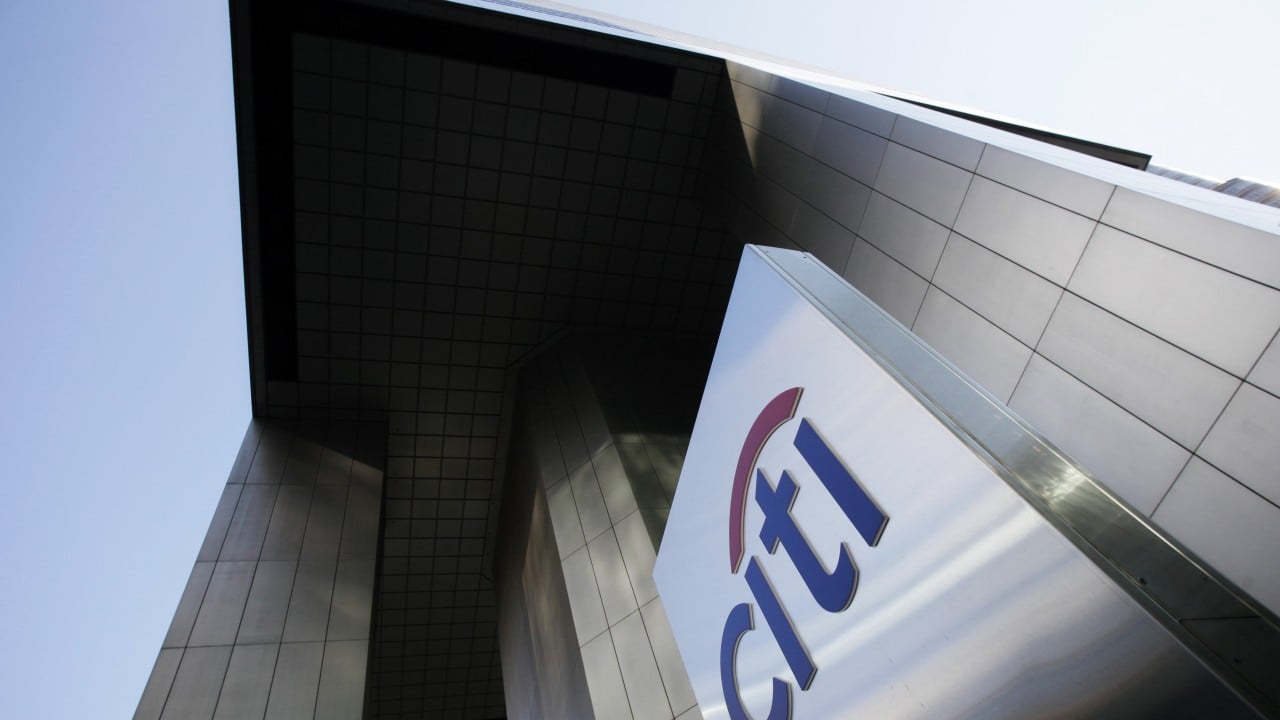
Citi and Invesco, two prominent US financial institutions, are ramping up their presence in Asia despite geopolitical uncertainties and Beijing's tightened overseas investment controls. Citi plans to increase its workforce at its north Asia and Japan corporate banking desk network by 25% amid double-digit growth in client activities.
The expansion includes adding Brazil and Europe as new hubs for its China desk network, alongside existing centers in Hong Kong, Singapore, Dubai, London, New York, San Francisco, and South Africa. Citi's head of corporate banking for Japan, Asia North, and Australia, Toh Jianxun, explained that the expansion supports Chinese companies' growth ambitions as they shift from low-cost manufactured exports and cross-border acquisitions to building hi-tech supply chain ecosystems, focusing on AI infrastructure, electric vehicles, consumer electronics, and green energy.
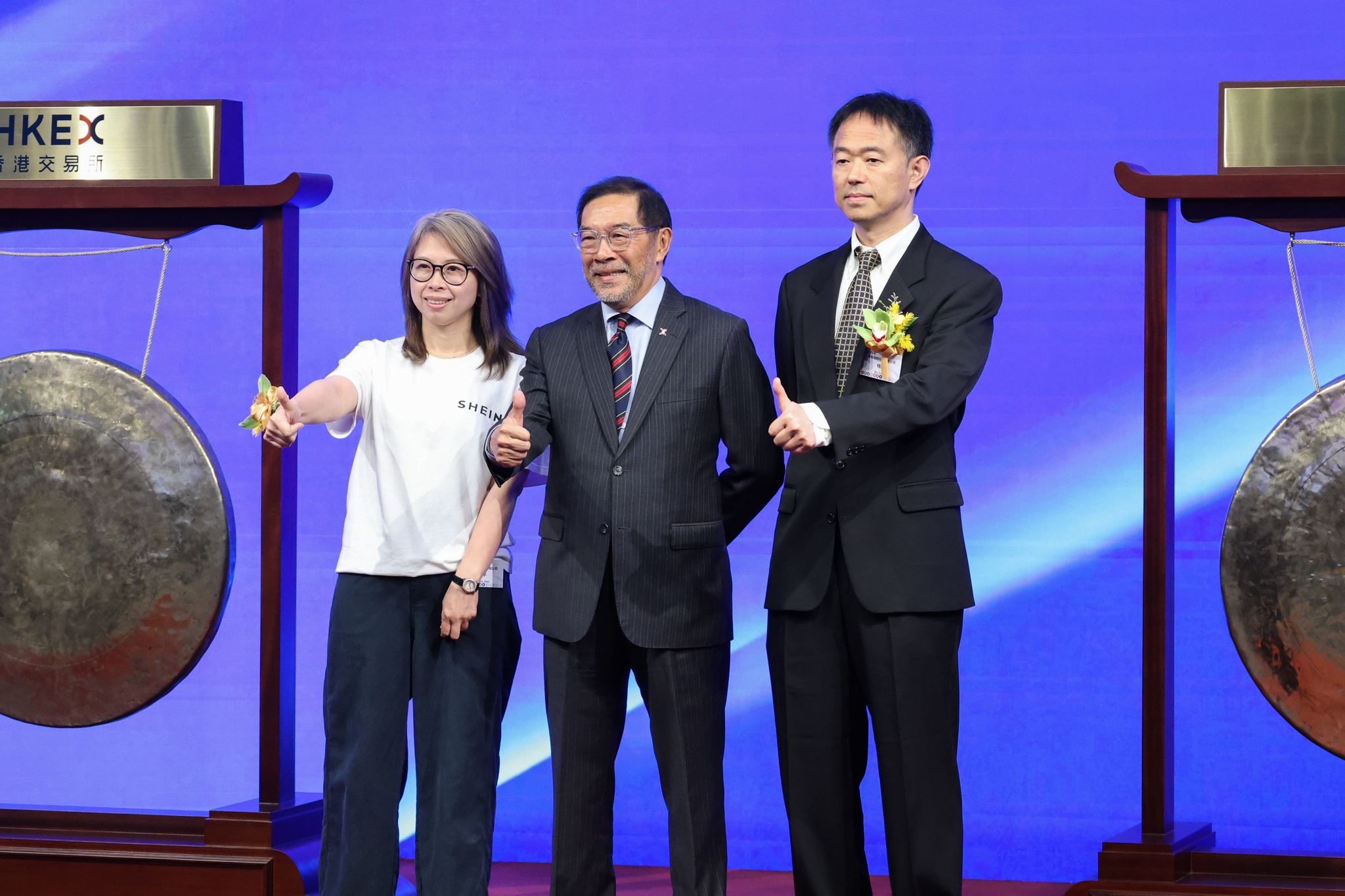
Invesco, a US fund house, also announced its expansion in the region with the appointment of Marty Franc as its new senior managing director and head of Asia-Pacific, succeeding Andrew Lo, who retires after a 32-year career with the firm. Franc, with over 30 years of asset management experience, will take up the role in the first quarter of 2026.
The reshuffle comes as Hong Kong regulators require financial firms to ask mainland investment clients about the source of their funding following Beijing's tightened controls on offshore investment in May. Invesco's Asia-Pacific market is its fastest-growing region, with assets under management jumping 19% in 2025 to US$321 billion.
Written by urgent.news from South China Morning Post's reporting — not their text. Machine-written — may contain errors; check the original before relying on it.
This story
This is one outlet's version. Read the fullest account.