Chinese script evolved like a living organism driven by natural selection: study
Modern simplified Chinese characters form a tightly connected network from just 514 basic components that evolved through a process similar to natural selection, according to researchers who say their findings could change how Chinese writing is taught. “Chinese characters evolve like living organisms,” lecturer Xie Yonghui of Shanghai Normal University said on August 24. The research into the…
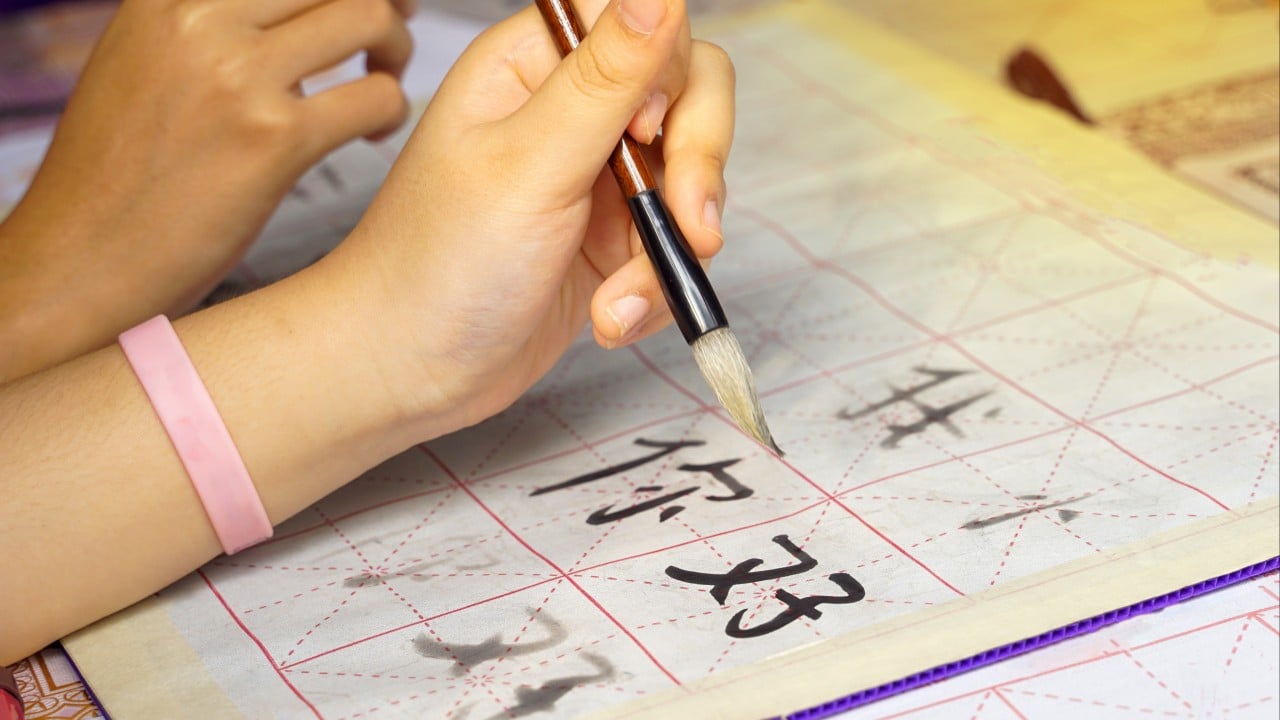
A recent study reveals that modern simplified Chinese characters emerged from a massive network of 514 basic components, evolving through a process akin to natural selection. Dr. Xie Yonghui of Shanghai Normal University observed that these characters "evolve like living organisms," drawing parallels between the development of written language and biological evolution.
The research by Dr. Huang Wei and Dr. Xie, published in the journal Digital Scholarship in the Humanities, demonstrates how a limited set of core characters, such as 日 (sun), 月 (moon) and 人 (human), consistently combines to create new characters. When insufficient elements existed, new characters were invented. Over time, this process resulted in a system where high-frequency components dominate, while less-central elements recede to the margins.
This pattern, driven by usage frequency, mirrors the principle of economy and linguistic efficiency. The researchers suggest that understanding this evolutionary framework could benefit Chinese-language education, potentially simplifying character acquisition and reducing memorization burdens. However, they caution against relying solely on this system for teaching, emphasizing the importance of developing an awareness of the system's structural organization.
While the 514-component framework provides valuable insight into the writing system's architecture, it is not a practical replacement for existing input methods, as noted by Dr. Xie. The study's findings could also have implications for information processing and other fields, highlighting the potential for further research into the structural system of Chinese characters.
Written by urgent.news from Reuters Business via SCMP's reporting — not their text. Machine-written — may contain errors; check the original before relying on it.