China highlights advanced wartime tech in defence mobilisation law update
China has made the first amendment in 16 years to its national defence mobilisation law to include a fresh focus on new technologies – a move experts said would cover AI and drones. Analysts said the inclusion would make it possible to rapidly convert emerging infrastructure, such as artificial intelligence (AI) and unmanned systems, into defence capabilities. The revised law, passed by the top…
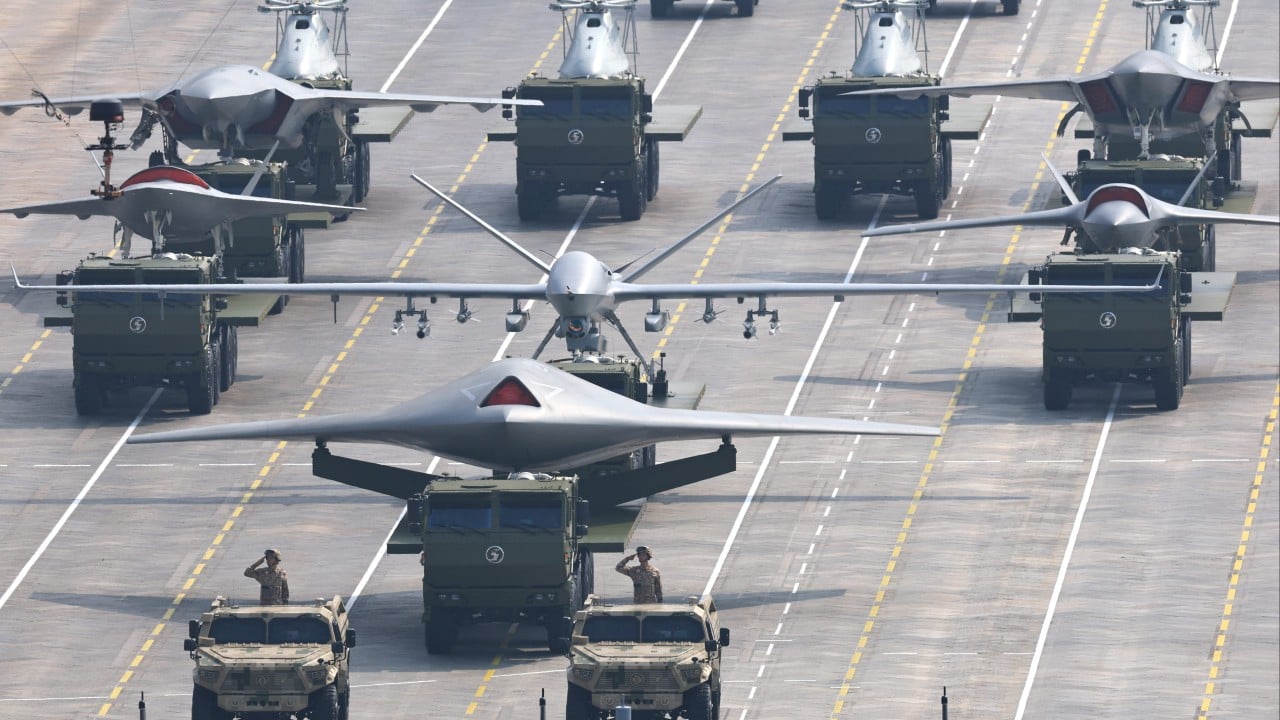
China has updated its defence mobilisation law for the first time in 16 years to emphasise the integration of advanced technologies in national defence, according to a new amendment passed by the country's top legislature. The revised law, set to take effect on October 1, recognises the significance of emerging fields such as AI, drones, cyber, and biotechnology in modern warfare.
Experts say the amendment will allow China to rapidly convert these technologies into defence capabilities, and incorporate both civilian hi-tech enterprises and professionals into the country's mobilisation potential. The law now formally defines national defence mobilisation as activities that "guarantee a rapid transition from peacetime to wartime and transform economic and social capabilities into national defence strength."
Moreover, it includes data and software as part of the military's reserve capacity, acknowledging that modern warfare is highly reliant on data-driven intelligence, command, and supply. The revised law also encourages non-government entities and individuals to participate in supplying strategic reserves, emphasising the importance of a well-connected and efficient national defence legal framework to mobilise dispersed resources.
Written by urgent.news from South China Morning Post's reporting — not their text. Machine-written — may contain errors; check the original before relying on it.
This story
This is one outlet's version. Read the fullest account.