Census 2027 | Journey of India’s 1.5 billion headcount
From 1951 to 2026, India’s Census has evolved from a simple headcount into a comprehensive data reservoir covering citizens’ living conditions, health and education
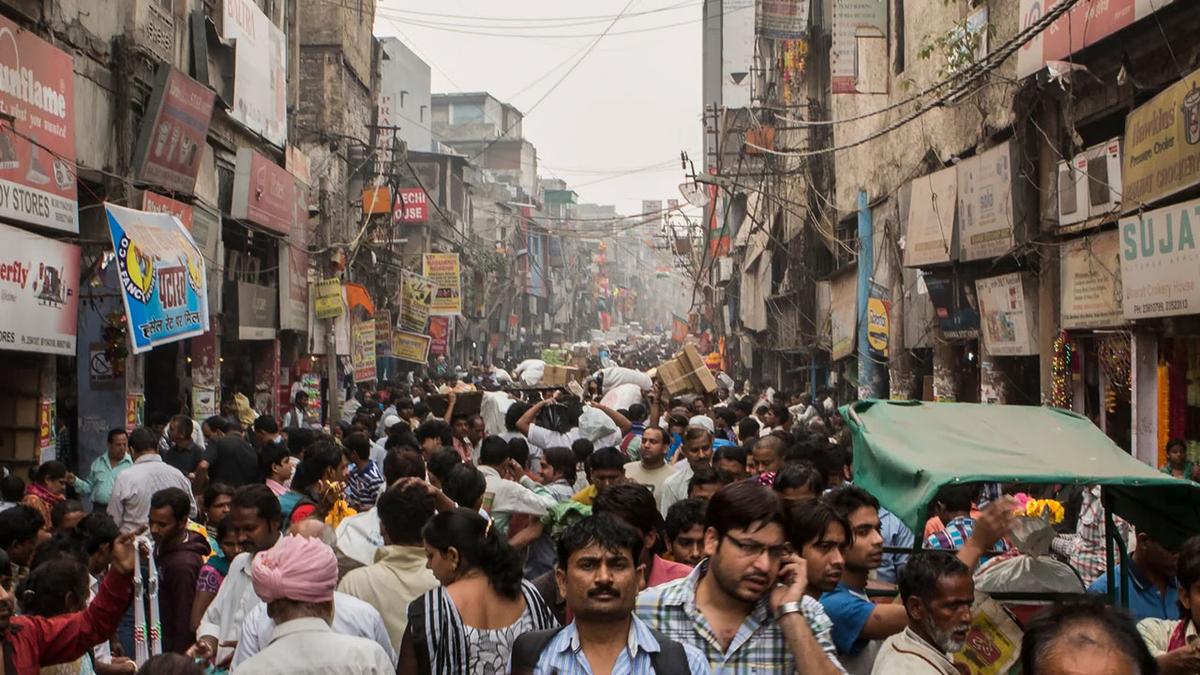
The 2027 Census of India, spanning 361.8 million citizens, represents a significant evolution from its initial role as a mere headcount to a comprehensive data repository covering various aspects of citizens' lives. Over the years, the Census has been conducted eight times, with the most recent taking place in 2011. The 2027 Census is set to be the first digital census, conducted in two phases - House-listing from April to September 2026, and Population enumeration starting in February 2027. This marks a major shift from the traditional methods used in previous decades.
The 1951 Census, conducted just after India's independence, marked a significant milestone in the nation's demographic history. With a population of 361.8 million, the Census revealed a 42 million increase from the previous decade. The questions asked in this Census focused on economic status, migration, fertility, farm land ownership, and various health-related issues. This was the first Census to be governed by the Census Act, 1948, and the first to include village and town-level data for 307 districts.
In terms of population distribution, Uttar Pradesh topped the list with 63 million inhabitants, followed by Madras (57 million), Bihar (40 million), and Bombay (36 million). Delhi, which had a population of 17 lakh in 1951, saw a surge of eight lakh due to the influx of refugees. The census also noted a female population that was 10 million less than the male population.
One interesting observation from the 1951 Census was the variation in sex ratio across different states. While Delhi had the lowest sex ratio with 751 females for every 1,000 males, states like Travancore-Cochin, Madras, Orissa, Kutch, and Manipur had a higher ratio due to more females than males. This trend varied across different states, with some showing an increasing trend and others a decreasing one.
The Census also highlighted the impact of the partition on certain states, particularly Punjab, where the population growth was significantly lower compared to others. This was largely due to the refugee influx during the partition, affecting the demographic figures. The Census Commissioner, Mr. B. A. Gopala, was instrumental in the successful execution of the Census, ensuring that the process was carried out diligently and accurately.
Written by urgent.news from The Hindu's reporting — not their text. Machine-written — may contain errors; check the original before relying on it.