Brazil's humpback whales rebound from 2,000 to nearly 35,000 in two decades
Brazil’s humpback whale population has recovered from about 2,000 to nearly 35,000 after commercial whaling pushed the species close to extinction. Protection measures and a global whaling ban helped the whales return to Brazil’s waters. Scientists are now studying their migration, family links and behaviour, while tracking threats from fishing nets, ships and warming seas.
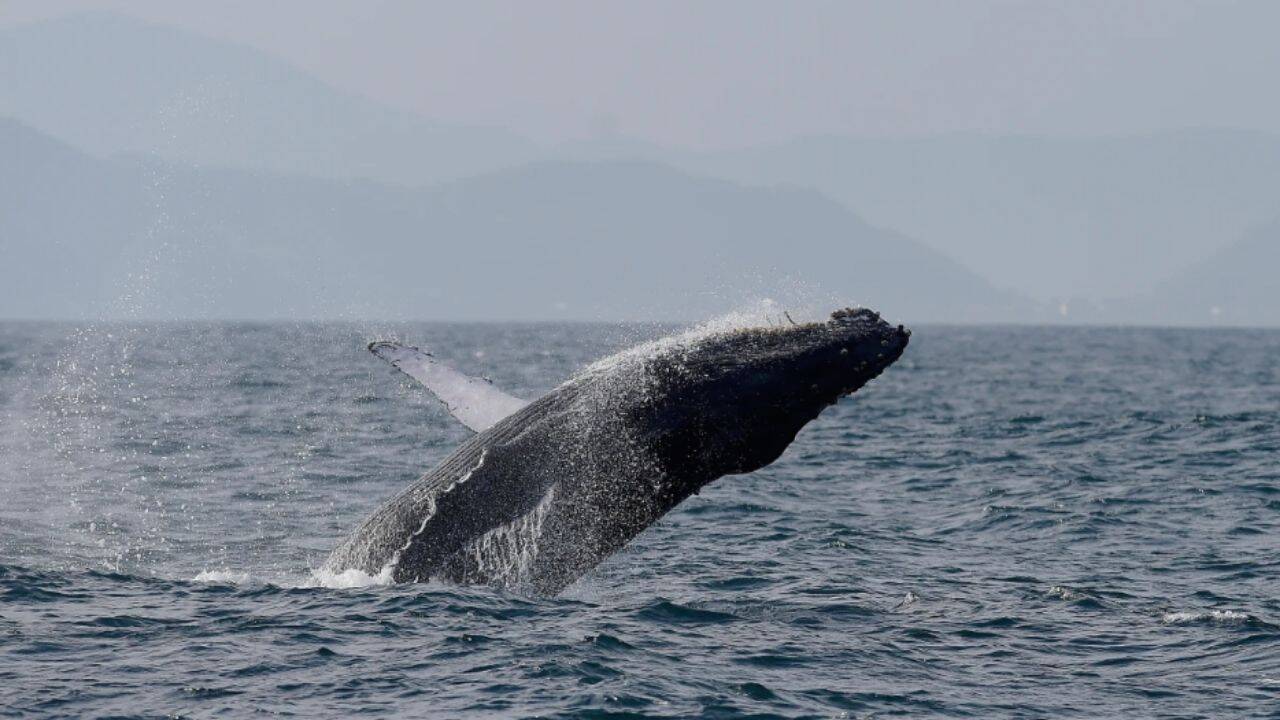
Humpback whales numbers have soared in Brazil’s waters, rebounding from just 2,000 to nearly 35,000 in the past two decades. This remarkable recovery puts the species on the path to reaching pre-commercial whaling population levels. The resurgence is clearly visible along Brazil’s coast, including in Rio de Janeiro’s Guanabara Bay where thousands of the majestic creatures pass through each year during their migration. Whale-watching trips have seen a surge in popularity as a result of the whales’ return.
The South Atlantic humpbacks breed and calve in the warm, nutrient-rich waters off northeastern Brazil between June and November. Known for their lengthy annual migration of around 4,000 kilometers from feeding grounds in the Southern Ocean, many of these whales gather around the Abrolhos Bank, a coral reef region along the coasts of Bahia and Espirito Santo.
The dramatic population increase is largely attributed to the end of commercial whaling and strong protective measures implemented in Brazil. The International Whaling Commission declared a moratorium on commercial whaling in 1982, putting an end to the mass hunting that had pushed the species to the brink of extinction. Brazil formally banned commercial whaling by law in 1987 and also safeguarded the Abrolhos breeding grounds, providing crucial protection during an essential phase of the whales’ life cycle.
As a result, humpback whales were removed from Brazil’s list of threatened species in 2014, and their population has continued to grow ever since.
The growing whale population has opened up fresh research opportunities. Scientists travel to key areas like the Abrolhos archipelago to study the whales' behavior, health, and movements. Biologists collect skin and blubber samples using a dart, gaining insights into family relationships among the whales as humpbacks are known for extensive travel.
Previously, researchers identified individual whales by analyzing unique tail markings, but artificial intelligence platform Happy Whale can now compare photographs in seconds. This tool has already cataloged 8,300 Brazilian humpback whales, noting instances of whales spotted thousands of kilometers apart, such as one in Brazil that had previously been seen off Australia’s east coast.
Despite the encouraging progress, humpback whales continue to face threats from maritime traffic, fishing nets, and the impacts of climate change on warming seas. These challenges underscore the need for ongoing conservation efforts to ensure the long-term survival of this iconic species.
Written by urgent.news from Times of India's reporting — not their text. Machine-written — may contain errors; check the original before relying on it.