Bond selloff deepens as oil prices and public debt fears jolt markets
Bond prices continued to slide in Asia and Europe on Wednesday, pushing borrowing costs to multi-decade highs as the Middle East conflict drives up energy prices and layers concerns about inflation on...
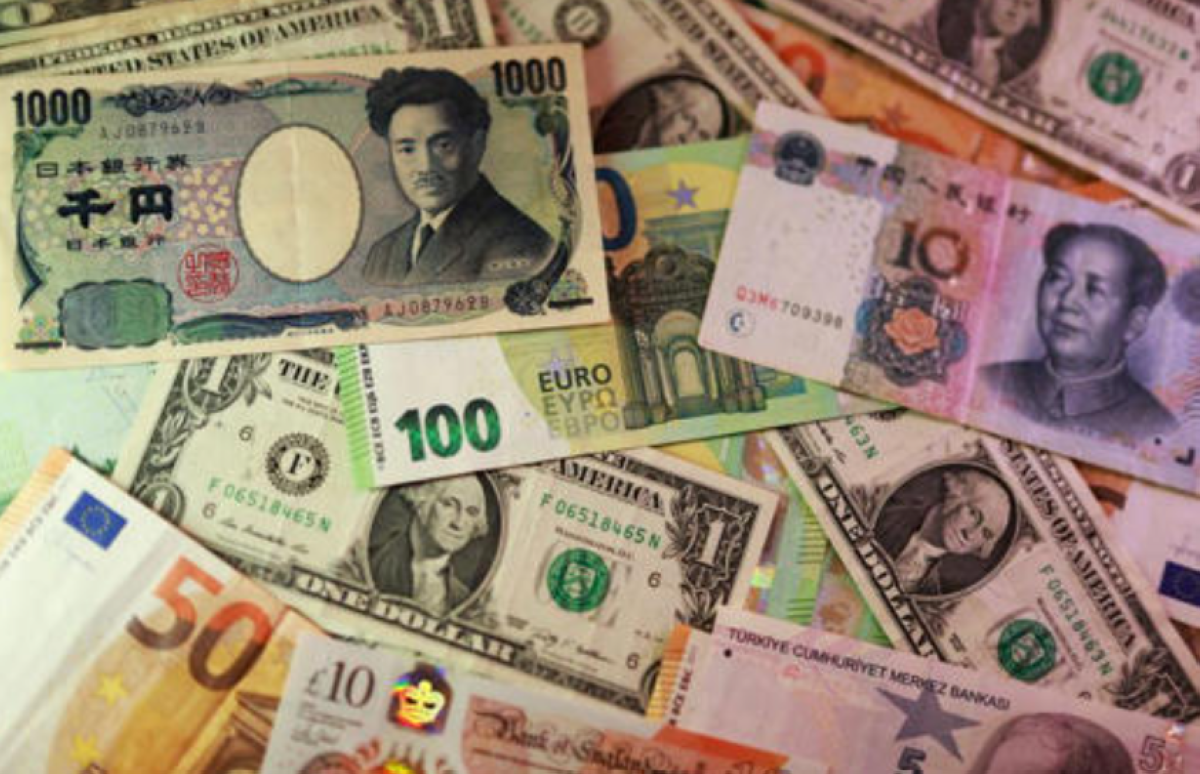
Bond prices plummeted globally on Wednesday, causing borrowing costs to soar to multi-decade peaks. The Middle East conflict boosted energy prices, and inflation concerns compounded fears about swelling government debt. Sovereign bond yields serve as a benchmark for asset prices, and higher borrowing costs translate to higher mortgage rates for consumers and tough decisions for government spending as funding expenses rise.
Japan's 10-year yield surpassed 3% for the first time in three decades, while German and British 10-year yields hit their highest levels since 2011 and 2008, respectively. Yield increases occur as prices fall, and vice versa. Various factors contributed to this market turbulence, said State Street's macro strategy head, Michael Metcalfe.
Rising energy prices prompted traders to anticipate interest rate hikes, driving up short-term yields. The narrative also encompasses longer-term fiscal concerns. In France and the UK, upcoming budget announcements added to the gloom, with Metcalfe stating that there are few bright spots at present. Heavy tech companies raising funds to back the AI revolution added extra pressure to the sovereign bond market, as US tech firms competed with governments for investor capital.
So-called hyperscalers' willingness to pay premium rates pushed yields higher, with the focus now on whether growth can match the increased rates. Yields may continue to climb as investors seek a higher premium, according to Saxo's chief investment strategist, Charu Chanana. Bond prices have been under pressure since the US-Israeli conflict with Iran began, but yields have surged to multi-year highs in recent months due to worries about burgeoning debt loads in major economies, including the US.
Governments have been borrowing heavily following pandemic-related spending spikes and the energy crisis in Ukraine. They also confront aging populations, rising welfare expenses, and heightened defense investment requirements. Britain's new administration, headed by Prime Minister Andy Burnham, will unveil a budget in October, while France prepares for additional budget debates.
In Japan, the surge in bond yields has put the spotlight on Prime Minister Sanae Takaichi and her ambitious investment policies, raising the specter of "bond vigilantes"—investors who aim to enforce fiscal discipline by demanding significantly higher compensation to hold government bonds. The fear is that bond vigilantes are active and driving yields higher in protest over large government deficits.
Yardeni, who coined the term in the 1980s, acknowledged the bond vigilantes' concerns but remains unconvinced that yields will become prohibitive. If US 10-year yields hit 5%, Treasury Secretary Scott Bessent may issue more short-term debt to buy back longer-dated bonds to stabilize markets. On Wednesday, the 10-year Treasury yield remained steady at 4.7961%, slightly below its 2025 peak.
Written by urgent.news from Gulf Times Business's reporting — not their text. Machine-written — may contain errors; check the original before relying on it.