Bond selloff deepens and stocks drop as oil prices stoke inflation fears
Japan’s 10-year benchmark yield hit 3% for the first time since 1996, raising government borrowing costs amid concerns over mounting public debt.
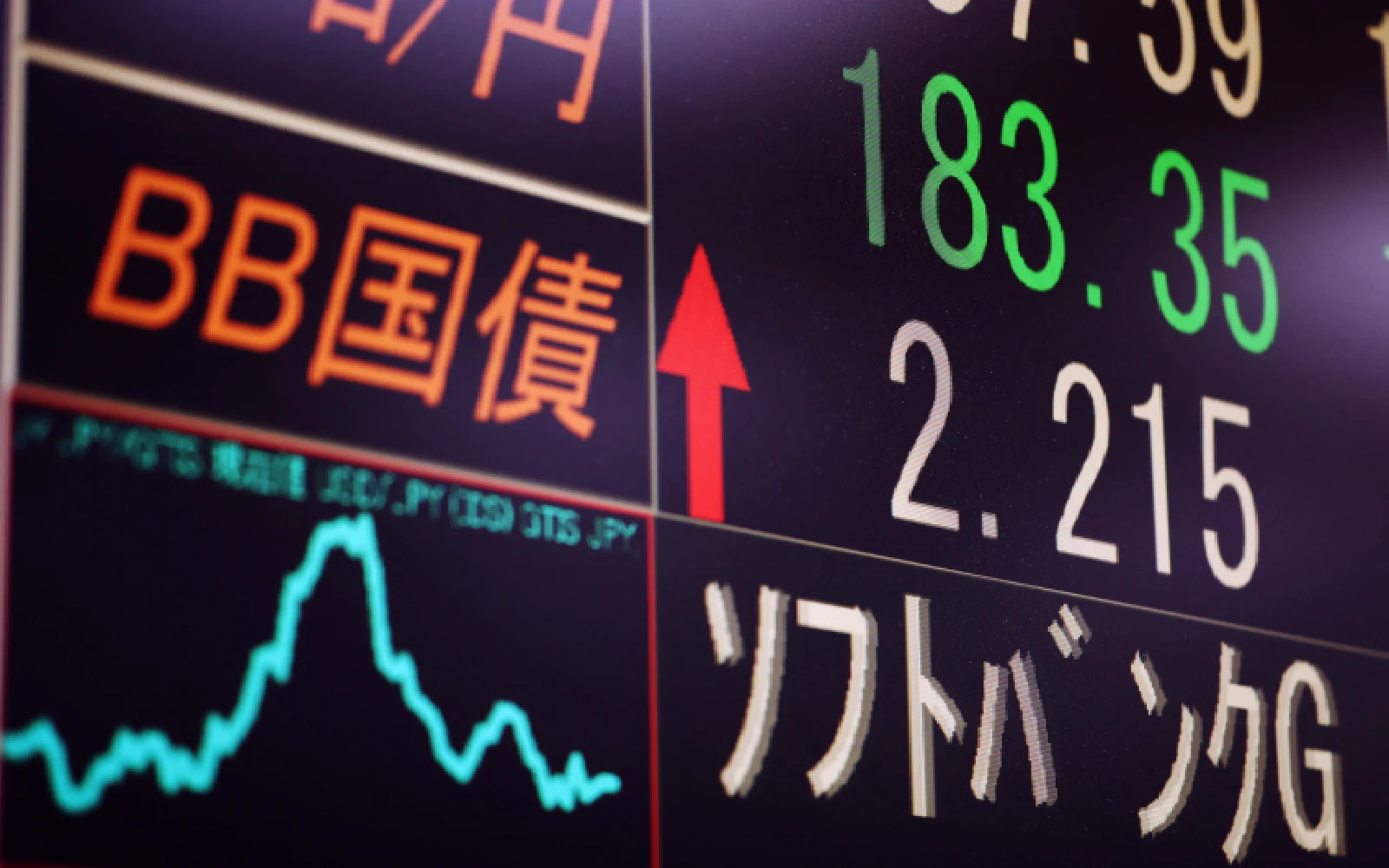
Global bond yields reached record highs on Tuesday due to intensified Middle East fighting and rising oil prices, prompting concerns about potential interest rate hikes and their impact on stock markets worldwide. Japan's 10-year benchmark yield reached 3% for the first time since 1996, increasing government borrowing costs. Britain's 10-year yield hit its highest level since 2008, above 5.24%, while Germany's yield rose to a 15-year high at 3.36%.
Ryutaro Kimura, a senior strategist at BNP Paribas Asset Management in Tokyo, noted a sense of resignation among investors towards the upward trend in Japanese borrowing costs, which have historically stabilized world markets. Higher oil prices and renewed US-Iran tensions have fueled inflation worries, negatively affecting bonds.
Federal Reserve Chair Kevin Warsh suggested in a recent speech that US rate hikes this year are likely, with Andrew Lilley, a chief rates strategist at Barrenjoey, estimating at least three rate hikes.
US stock futures declined as bond yields and oil prices rose, with S&P 500 ESc1 futures dropping 0.6%. Europe's STOXX 600 index fell 0.7%, and Hong Kong's Hang Seng index dropped 1%. The weak performance was largely attributed to the lackluster debut of clothier Shein Global, whose stock value plummeted to less than a quarter of its 2022 peak following a lackluster market entry.
Higher yields could put additional pressure on tech companies heavily reliant on bond markets for AI investments, according to Aneeka Gupta, a senior strategist at WisdomTree. As yields rise, the strain on this sector, which is a major growth driver for equity markets, intensifies. Rising oil prices were pushing global bond yields higher on Tuesday as Middle East conflict dimmed prospects for opening the Strait of Hormuz.
Brent crude LCOc1 increased 2% to US$92.20, while Europe's benchmark natural gas price approached its highest level since early 2023.
The US dollar strengthened due to its safe-haven status as bonds and stocks fell, while the euro slipped 0.2% to US$1.16 and the dollar rose 0.1% against the Japanese yen to 159.9. Traders now estimate a 65% chance of a Fed rate hike in September, up from 40% a week ago, and the European Central Bank is expected to raise rates this month.
Written by urgent.news from Free Malaysia Today's reporting — not their text. Machine-written — may contain errors; check the original before relying on it.
Also reported by 2 other outlets
- Bond selloff deepens and stocks drop as oil prices stoke inflation fears freemalaysiatoday.com
- Bond selloff deepens and stocks drop as oil prices stoke inflation fears channelnewsasia.com