Biomass cooking fuels raise toxic metal exposure risks in Bangladesh, study finds
Burning biomass fuels like dry wood and rice husk for cooking can produce air pollution and contribute to toxic heavy metals buildup inside rural kitchens in Bangladesh, a new study finds. Md. Badiuzzaman Khan, an environmental science professor at Bangladesh Agricultural University and the study’s lead author, said the research addresses a gap in understanding […]
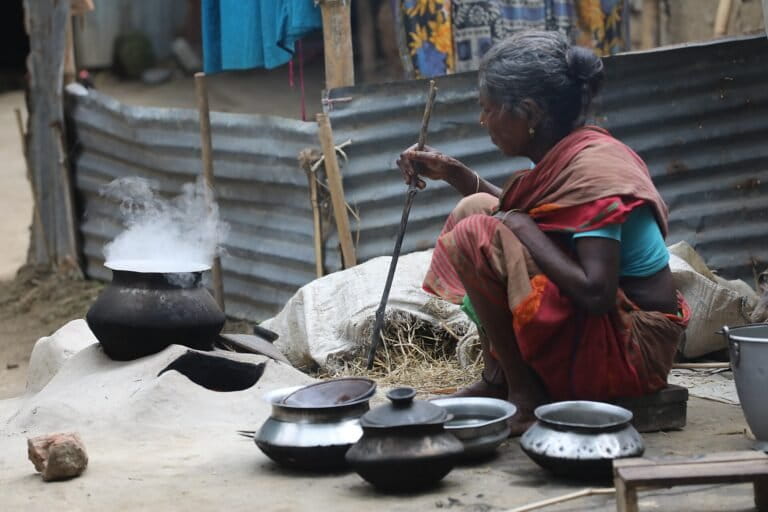
A study published in Mongabay has revealed that burning biomass fuels like wood and rice husk for cooking in rural Bangladesh can lead to elevated exposure to toxic heavy metals. Professor Md. Badiuzzaman Khan, the lead researcher from Bangladesh Agricultural University, highlighted the importance of understanding indoor pollution in rural communities where local people utilize diverse fuels such as cow dung, wood branches, agricultural byproducts, or natural sources like soil.
By collecting dust samples from 63 households' walls and ceilings in the Haor and Charland regions and analyzing 11 biomass fuel samples, the research, conducted from November 2022 to March 2023, aimed to address the limited knowledge about rural exposure to heavy metals. The findings indicate that heavy metals in household dust likely originate from human activities such as farming and fuel combustion, as well as natural sources including soil and sediments brought by floods.
The types of metals found also varied between regions. This research underscores the need for further investigation into rural exposure to heavy metals as most pollution studies in Bangladesh have focused on urban areas.
Written by urgent.news from Mongabay's reporting — not their text. Machine-written — may contain errors; check the original before relying on it.