Australian home prices extend decline as inflation, rate fears weigh
Australian home prices dropped for a fifth month in August. Sydney and Melbourne saw significant declines, now seven percent below peaks. Higher borrowing costs and inflation are squeezing buyer demand across the nation. Analysts predict further price falls, potentially reaching ten percent from their highest points. This housing slowdown impacts economic growth and consumer spending…
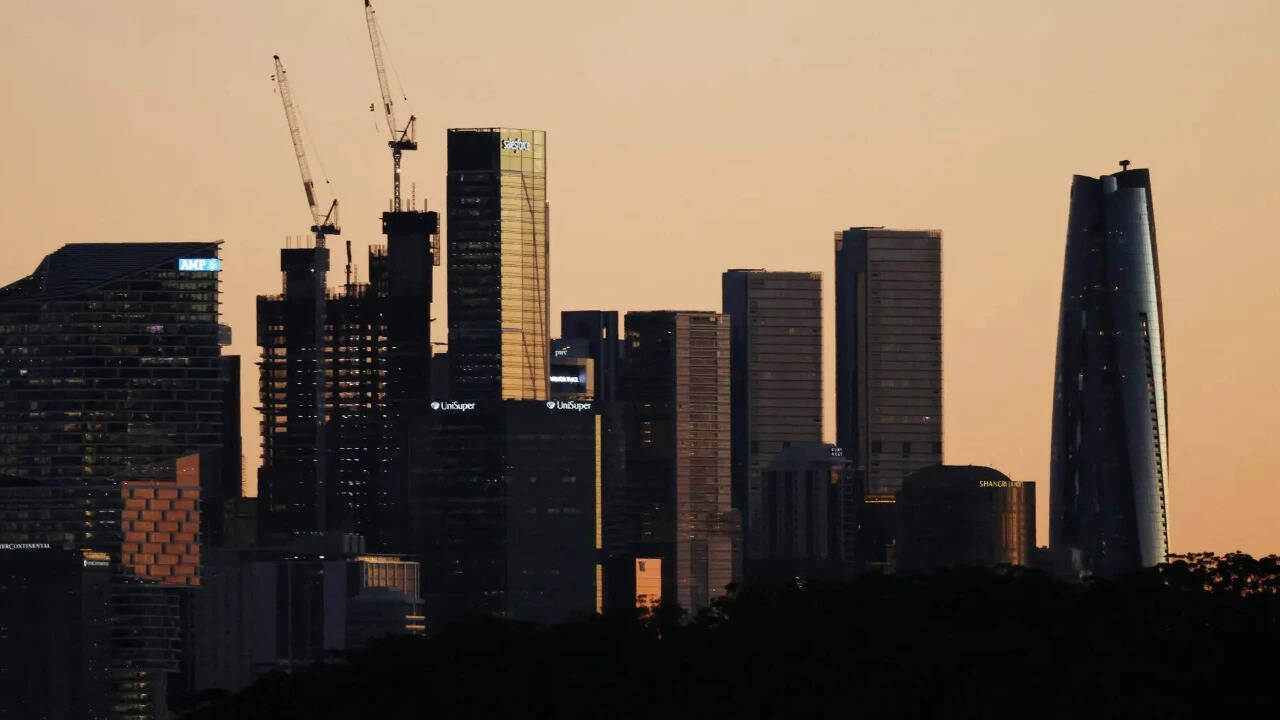
Australian home prices experienced a fifth consecutive monthly decline in August, reaching their steepest drop since the pandemic, according to property consultant Cotality. Property values in Sydney and Melbourne plummeted 1.4% and 1.1%, respectively, following a 0.9% decrease from the previous month. Both cities now sit around 7% below their peak levels.
The market downturn extended beyond Sydney and Melbourne, with Brisbane and Perth dropping 1% and 0.8% in August, respectively. Nearly every capital city witnessed a decline during the month. The cooling trend in the housing market is attributed to rising borrowing costs, persistent inflation, and expectations of further interest rate hikes by the Reserve Bank of Australia.
Reserve Bank of Australia Governor Philip Lowe has increased the cash rate three times this year to 4.35%, with markets forecasting another hike. Analysts predict a deeper housing correction, estimating prices could drop 10% from peak to trough, with recovery expected in the second half of next year. Shane Oliver, chief economist at AMP, warns that the housing slowdown may dampen economic growth but is unlikely to prompt the RBA to reverse its rate policies due to inflation concerns.
UBS anticipates the decline to reach around 10%, making it one of Australia's more severe housing downturns. The bank expects the RBA to raise rates by another 25 basis points by November, while acknowledging the possibility of an earlier increase in September.
The housing slowdown is also evident in transaction activity, with Cotality research director Tim Lawless noting a 15.5% decline in home sales over the past three months compared to the previous year. This suggests weaker demand and reduced buyer confidence, with longer selling times, larger vendor discounts, and persistently low auction clearance rates indicating a buyer's market. However, buyers remain hesitant, contributing to the overall market weakness.
The housing slowdown could have far-reaching economic implications, as the sector supports numerous industries such as real estate services, construction, and trades. Slower housing activity may further compress household wealth and consumer spending, potentially hindering Australia's economic momentum. Recent government tax changes announced in May have also contributed to the cooling of investor demand, and housing credit growth has begun to decelerate.
Written by urgent.news from Times of India's reporting — not their text. Machine-written — may contain errors; check the original before relying on it.