Auku repeal: Turning universities into labs of the future
The government shouldn’t treat university students like schoolchildren and expect them to behave like adults; at the same time, the repeal of Auku must be paired with training in clear thinking, rhetoric, and ethical reasoning.
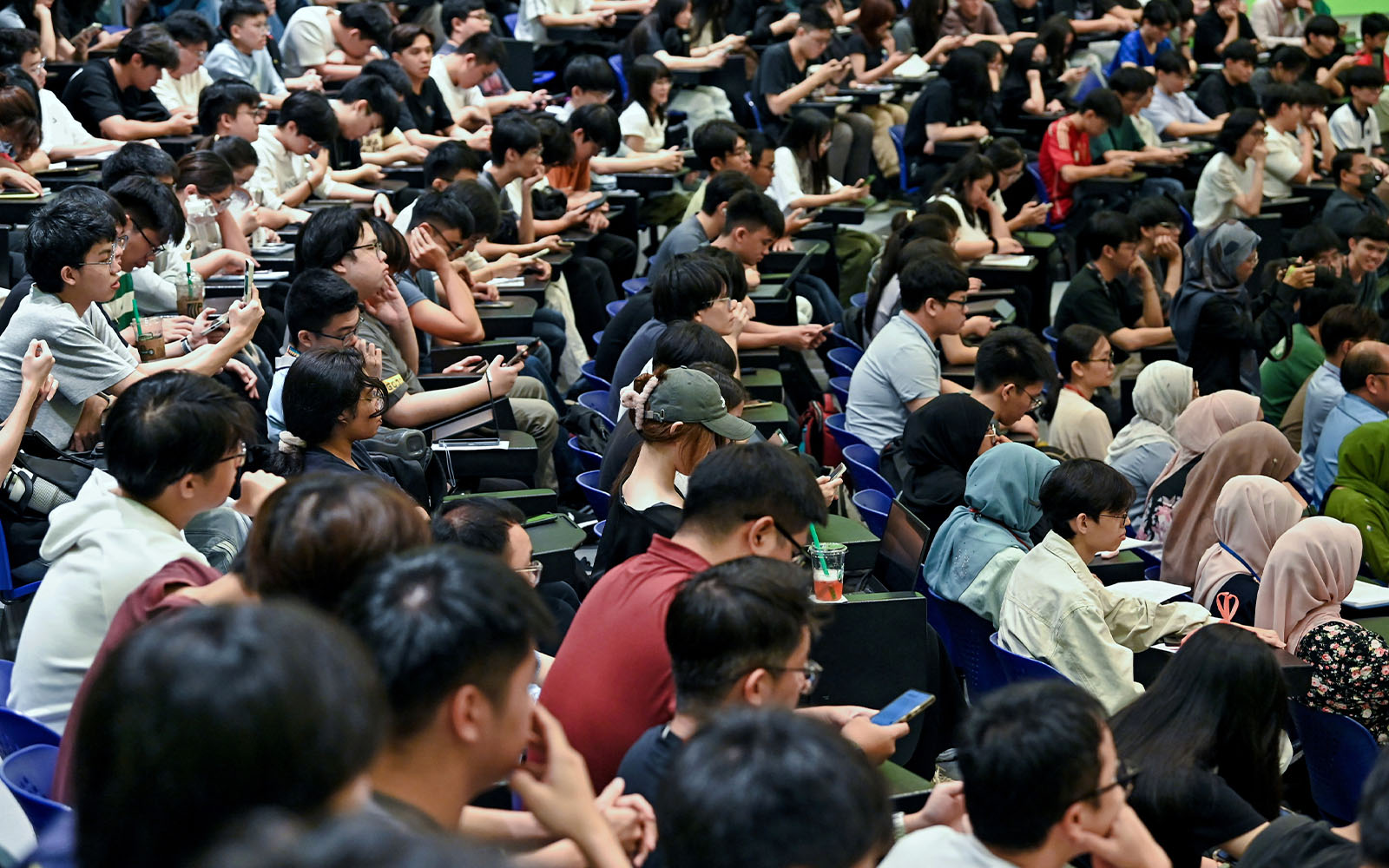
On August 28, the higher education ministry issued an immediate halt to disciplinary proceedings against public university students concerning freedom of speech and public assembly. Prime Minister Anwar Ibrahim had requested time to amend or repeal the Universities and University Colleges Act 1971 (Auku) just two days earlier, citing the need for comprehensive reform.
During a student forum at Universiti Malaya, Anwar stated that he had been fighting the Act for a long time and requested a little more time for the amendment process. Critics argue that Auku is a relic of control, designed to suppress dissent and political organization. The university authorities view it as a means to maintain stability by limiting the expression of dissent.
Anwar amended Auku in March 2024, but the changes were insufficient, leading to ongoing claims of interference from students, staff, and critics. On August 15, it was reported that Anwar intended to abolish Auku outright, but on August 26, he stated that it would either be amended or repealed. If Auku is repealed, it will mark a significant turning point for Malaysia's higher education, potentially restoring the original purpose of education to liberate the mind and foster a prosperous nation through the inventive genius of its people.
A mind constrained by fear cannot seek truth, and a population trained in obedience cannot build a just society. In the realm of ideas, silence hinders progress. True innovation arises from diverse viewpoints, the courage to challenge norms, and the freedom to experiment. Anwar's own experiences as a student suggest that educational freedom contributes to personal growth and national advancement.
If university students are to be encouraged to think, question, and act responsibly, academic staff should also be freed from restrictions. Fearful or conformist academic staff will not inspire students to think clearly; they will produce "kangkong professors" who do not drive progress. Therefore, unfettered freedom should extend to both students and academic staff.
However, this freedom must be coupled with responsible behavior and an understanding of the shared duty to the common good. Universities and secondary schools should become sanctuaries of free inquiry, not prisons of the state. These institutions must evolve into laboratories of the future, fostering clear thinking, intellectual integrity, ethical reasoning, and a sense of responsibility among students.
The late Dr Tan Chee Koon emphasized that students have a duty to question and criticize the government, likening a sense of gratitude to the government to a feudal and outdated mindset.
Written by urgent.news from Free Malaysia Today's reporting — not their text. Machine-written — may contain errors; check the original before relying on it.
Also reported by 1 other outlet
- Auku repeal: Turning universities into labs of the future freemalaysiatoday.com