Astrophotography in September 2026: get your camera ready for the equinox auroras and a final glimpse of the Milky Way’s core
Everything you need to know about what’s worth photographing in the night skies over the coming month
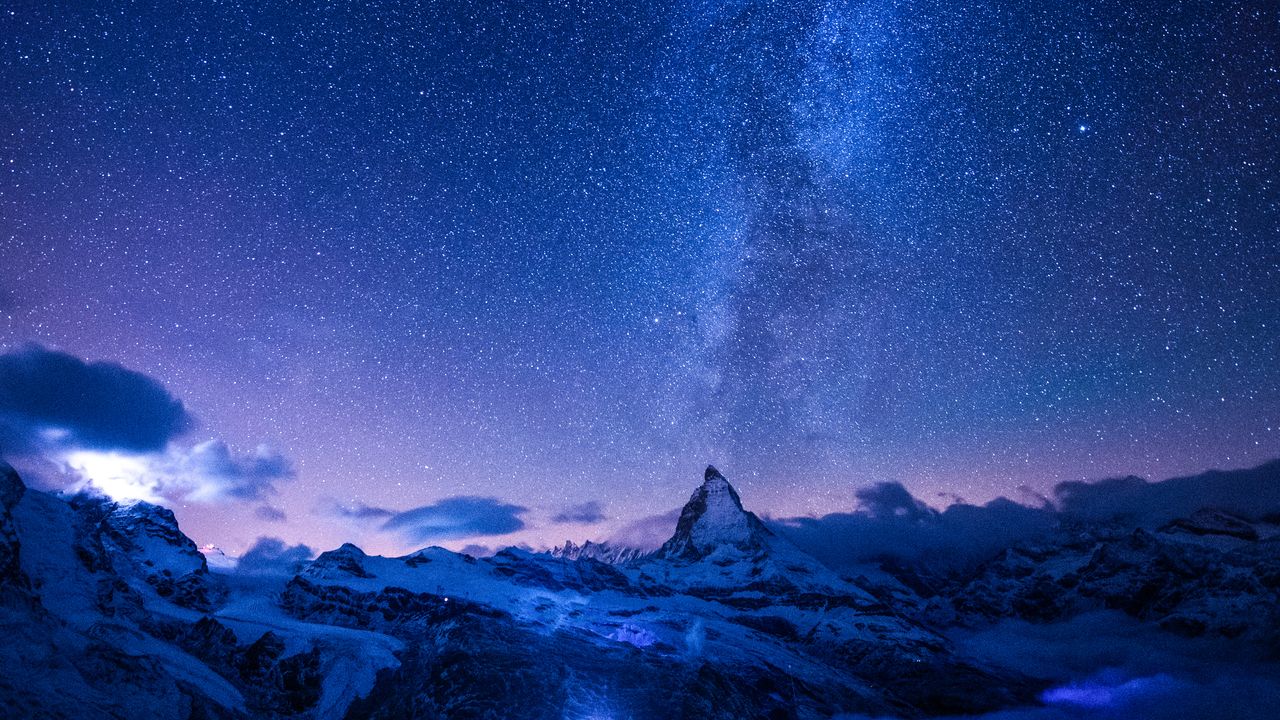
In September 2026, astrophotographers in the Northern Hemisphere will witness significant celestial events. After months of short nights, the darkness returns quickly after sunset, extending the observing windows. The Milky Way's bright core will start to recede from the evening sky, offering a final chance to capture it until spring.
The month also features the equinox, often associated with heightened auroral activity at northern latitudes. Observers can head to the Arctic Circle in Alaska, Canada, or Scandinavia for an increased chance of seeing the Northern Lights. September 3 sees the Pleiades flanked by a waning gibbous moon. From September 4 to 15, with the new moon on September 10, skies will be darkest, providing an ideal opportunity to capture the Milky Way's core using a wide-angle lens, fast aperture, ISO 1600–3200, and exposures of 10-20 seconds.
On September 7, a 19%-lit waning crescent moon will be close to Mars. The equinox on September 22 marks the start of autumn and longer nights, perfect for auroral activity. The Harvest Moon will rise on September 26, offering a long window for moonrise photography with a long lens to capture detail. The zodiacal light, visible before dawn, can be captured using a wide-angle lens on a tripod, ISO 1600-3200, and exposures of 15-25 seconds.
Written by urgent.news from Digital Camera World's reporting — not their text. Machine-written — may contain errors; check the original before relying on it.