Assam’s Sanchipat Puthi Chitra Gets National Spotlight At Lalit Kala’s 65th Exhibition; What Makes It Unique?
Assam’s traditional art form Sanchipat Puthi Chitra has received a national platform at the 65th National Exhibition of Art, organised by the Lalit Kala Akademi. The inclusion has brought renewed attention to one of Assam’s distinctive manuscript and painting traditions, known for its deep connection with the region’s cultural and literary heritage. From Sanchipat to the National Canvas: Sujit…
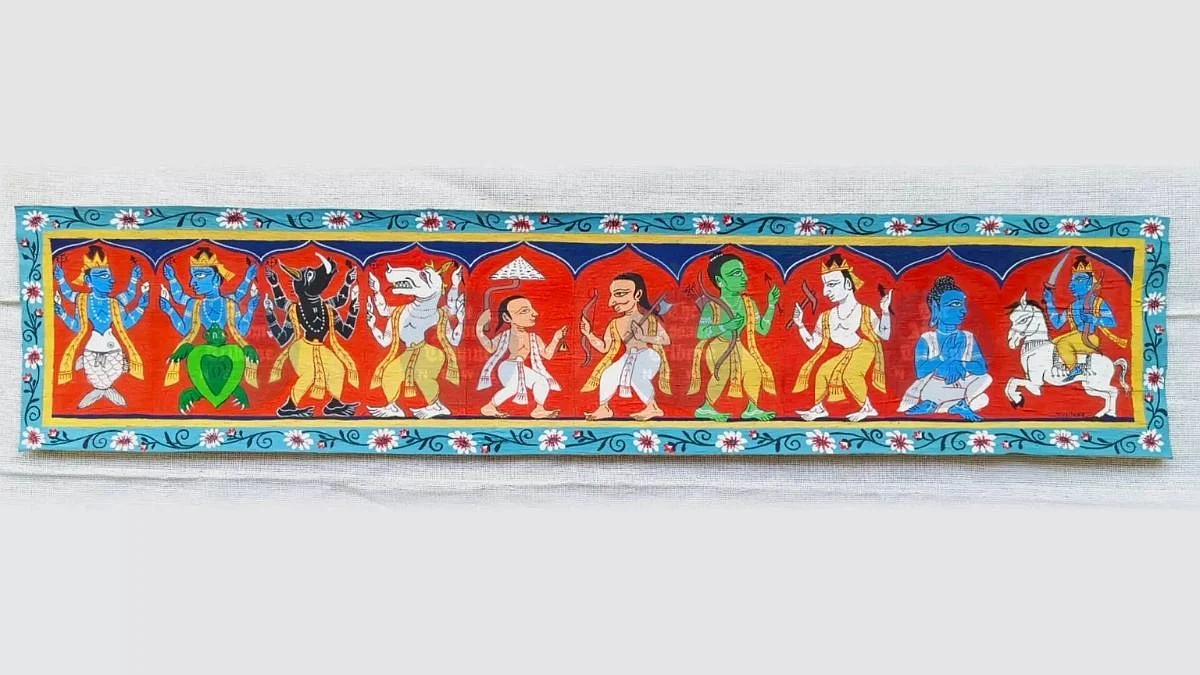
Assam's traditional manuscript and painting art form, Sanchipat Puthi Chitra, has been showcased at the 65th National Exhibition of Art organized by the Lalit Kala Akademi. This inclusion has brought renewed attention to the unique tradition, known for its deep roots in the region's cultural and literary heritage. Sanchipat refers to manuscripts made from sanchi tree bark, a material historically used in Assam for recording religious, literary and cultural texts.
The manuscripts, known as puthi, were handwritten and adorned with illustrations, serving as important records of Assam’s intellectual and artistic traditions. The art combines writing, illustration, and decorative motifs, featuring religious themes, stories, characters, and elements from Assamese cultural life. One of the most distinctive features of Sanchipat Puthi Chitra is the use of tree bark as a writing surface.
This innovative choice requires meticulous preparation to create a durable surface suitable for writing and painting. The tradition reflects the craftsmanship involved in preserving knowledge before the advent of modern printing technologies. Works like Sujit Das’s Dashavatar gain national recognition at the prestigious event, marking a significant milestone in Assam’s cultural and artistic history.
Written by urgent.news from Free Press Journal's reporting — not their text. Machine-written — may contain errors; check the original before relying on it.