As rice output falls, Malaysia looks to China’s ‘2 yields, 1 land’ model
Malaysia is looking to China’s rice-prawn farms as a model to extract more from its shrinking paddy land as a slide in rice self-sufficiency has left it increasingly reliant on imports from its Southeast Asian neighbours. The experiment is also part of an attempt to confront other issues such as ageing farmers and more erratic weather, which have dented Malaysia’s rice output. Agriculture and…
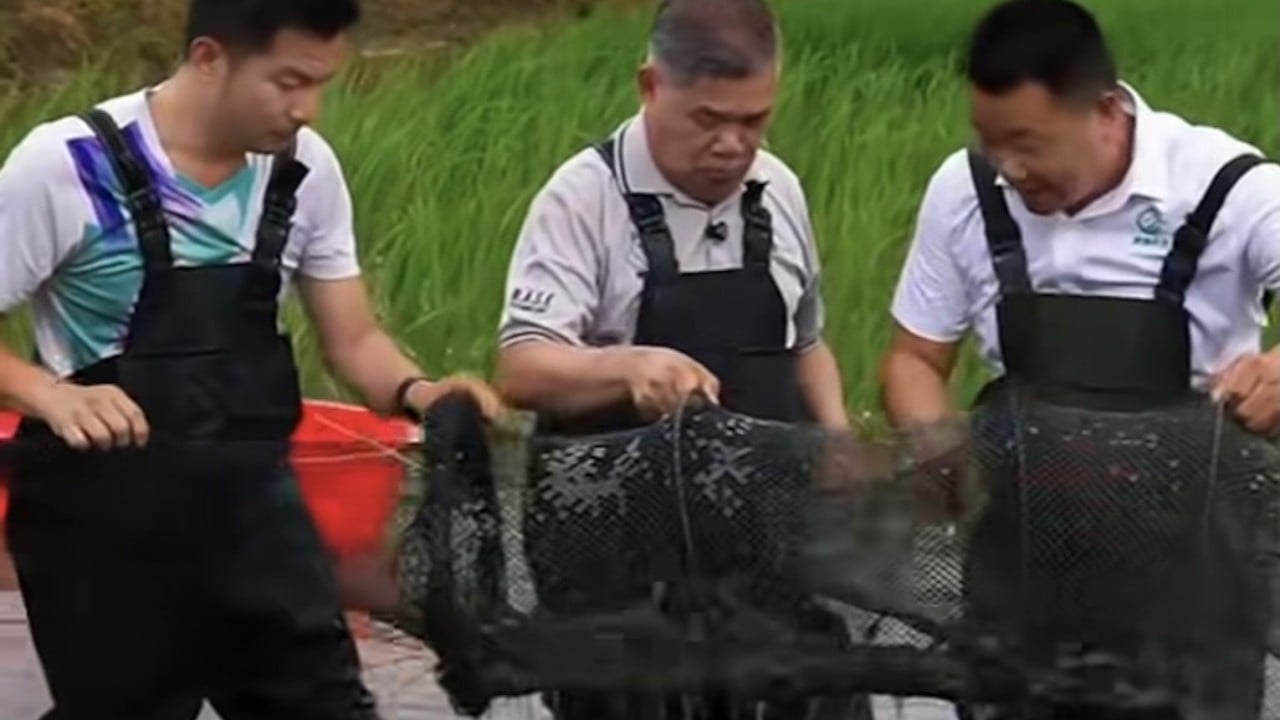
Malaysia is exploring China's rice-prawn farming model to boost its rice production on dwindling land while addressing issues such as aging farmers, erratic weather and declining self-sufficiency. Agriculture Minister Mohamad Sabu stated that a rice self-sufficiency ratio below 60 per cent is inadequate for national food security; Malaysia aims to reach 80 per cent under its 2030 National Agrofood Policy.
The current ratio stands at 52.9 per cent, down from 56.2 per cent in 2023, as paddy production shrank by 5.3 per cent to 2.06 million tonnes and paddy land decreased by 5.6 per cent to 579,700 hectares. Malaysia's rice imports are expected to rise to 1.7 million tonnes this year, driven by factors like floods, dry weather, and an intensifying El Nino.
Experts warn against a one-size-fits-all approach, emphasizing the need for efficient land use and support for farmers. China's Wuhu city has successfully integrated rice cultivation with prawn farming, generating two incomes from the same plot. However, Malaysia faces challenges related to land, water, and pesticide use that may prevent a direct replication of China's approach.
Written by urgent.news from South China Morning Post's reporting — not their text. Machine-written — may contain errors; check the original before relying on it.