As British Columbia mulls continued wolf-killing to save caribou, critics say habitat loss is the real threat
The government of the Canadian province of British Columbia is in talks to extend its decade-long wolf cull program by another five years. Since 2015, the province has killed wolves in areas with declining populations of endangered woodland caribou as part of its Caribou Recovery Program. In April 2026, provincial authorities began engaging key stakeholders […]
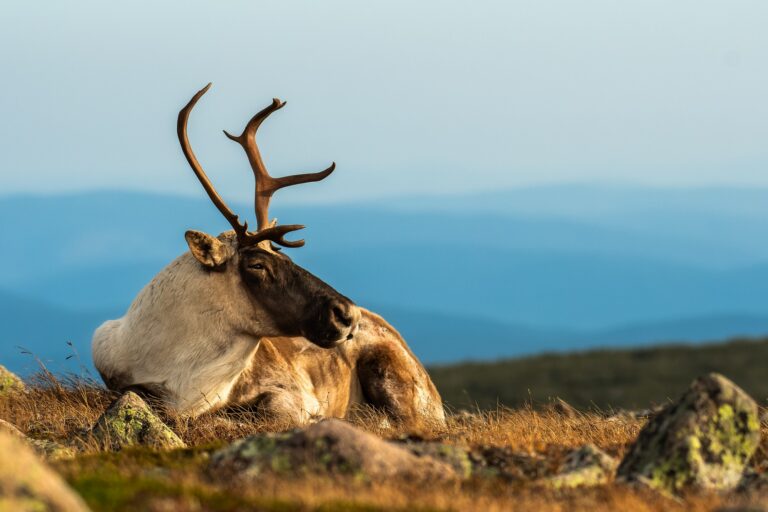
The Canadian province of British Columbia is considering extending its decade-long wolf-killing program to protect endangered woodland caribou for another five years. Since 2015, the province has been targeting wolves in areas where caribou populations are declining, as part of its Caribou Recovery Program. In April 2026, provincial authorities began discussions with key stakeholders, including First Nations, landowners, and environmental groups, about the potential extension.
A final decision is expected by October, according to a spokesperson from the provincial ministries of Water, Land and Resource Stewardship and Forests. If approved, the government would continue to shoot gray wolves in 15 designated areas, with some locations facing yearly culls and others every two years. While provincial data shows a rise in caribou numbers in areas where wolves are killed, critics argue that habitat loss is the real threat to the species.
Wildlife biologist Paul Paquet of the Raincoast Conservation Foundation, a B.C.-based NGO, acknowledges the moral and ethical complexities surrounding the issue but emphasizes the need for comprehensive protection measures beyond eliminating wolf populations.
Written by urgent.news from Mongabay's reporting — not their text. Machine-written — may contain errors; check the original before relying on it.