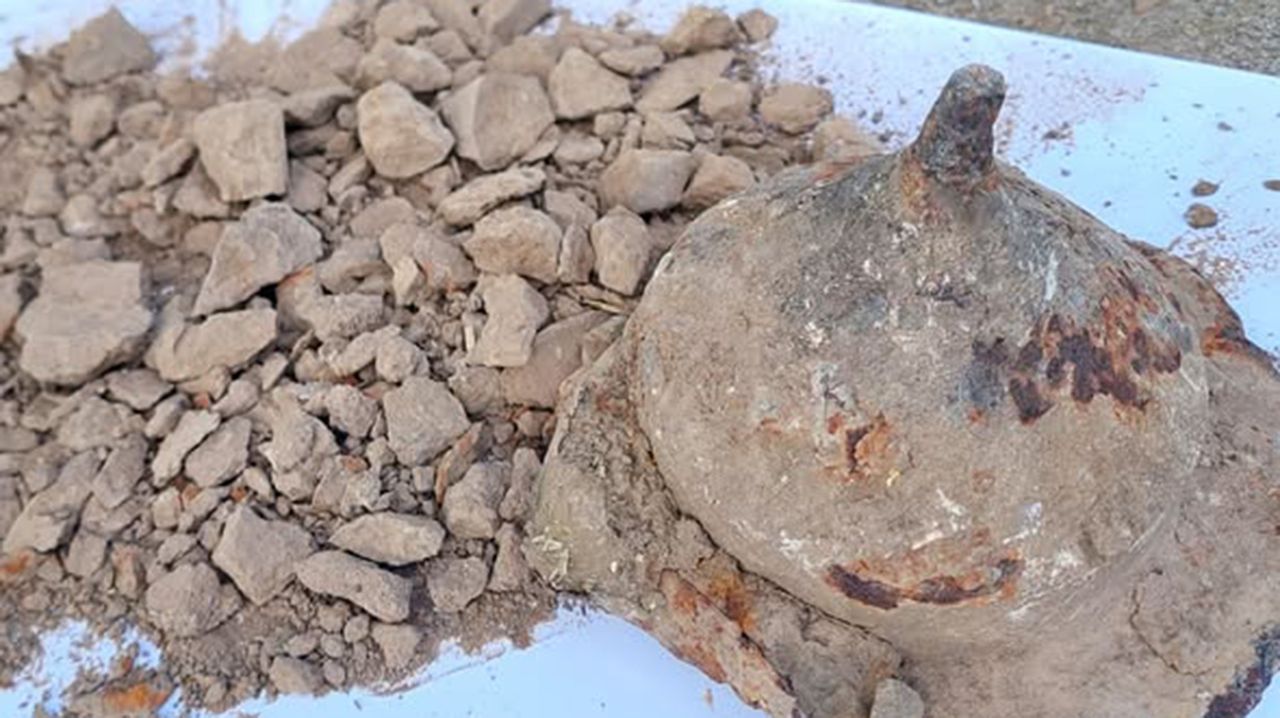
Archaeologists Uncover 1,800-Year-Old Heracles Gate in Side, Turkey
Archaeologists have uncovered a monumental gate in the ancient city of Side in southern Turkey that incorporates marble reliefs depicting the Twelve Labors of Heracles. The sculptures date to the early 3rd century AD, while the gate belongs to a later phase of the city and reused the older reliefs as building material. Excavations along […]
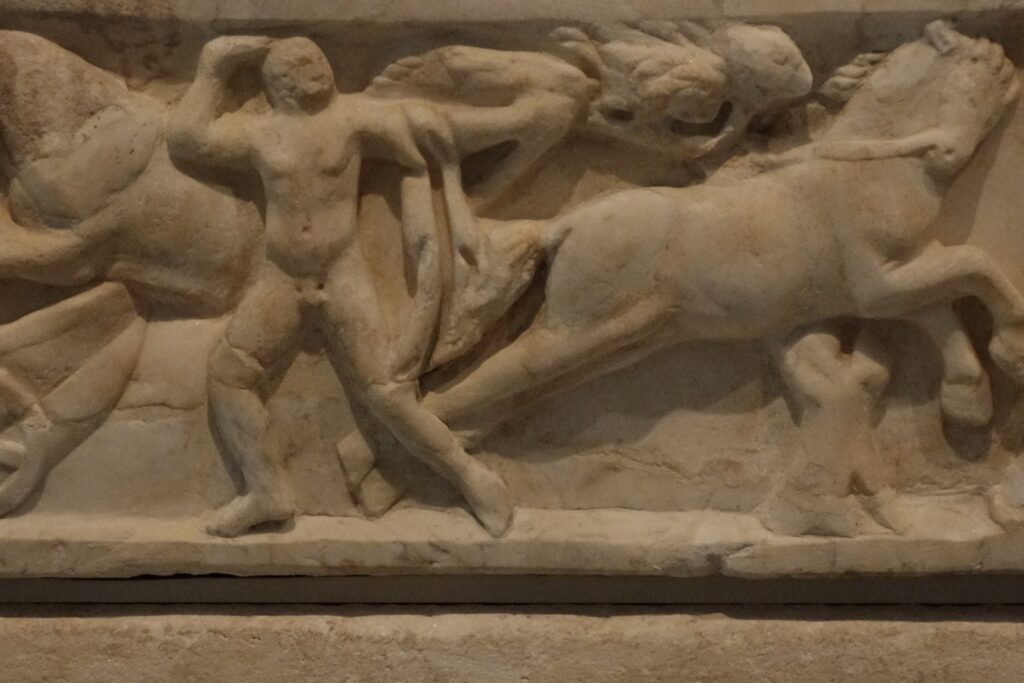
Archaeologists in Side, Turkey have discovered a 1,800-year-old Heracles Gate that incorporates marble reliefs depicting the Twelve Labors of the hero Heracles. The gate was built during the later phase of the ancient city, while the reliefs were created much earlier, during the early 3rd century AD. The reliefs depict scenes from Heracles' legendary tasks alongside deities such as Athena, Zeus, Artemis, Hygieia, and Tyche, showcasing the hero's strength, ingenuity, and courage.
The discovery of the Heracles Gate, along with a Roman-era colonnade and other architectural elements, sheds light on how Side's urban landscape evolved between the Roman period and Late Antiquity. The gate is a prime example of the practice of spolia, where older architectural elements were reused in new buildings. In this case, the reliefs were incorporated into the Heracles Gate during the Late Antiquity period, centuries after they were originally carved.
The gate is part of a larger archaeological find along a 390-meter (1,280-foot) street known as Street B, which reveals the changing layout of the city over centuries. Excavations along this street have uncovered a stoa, or covered colonnade, dating to the 2nd century AD, as well as rooms and architectural elements that once opened onto the street. Three monumental entrances have been identified: the West Gate, the Heracles Gate, and the North Bath Gate.
The presence of the Heracles Gate within this larger urban corridor underscores the city's commitment to preserving its older buildings while adapting to new developments. As a harbor city in ancient Pamphylia, Side remained an important center of trade and culture, with its streets connecting monumental buildings, public spaces, and entrances to the city. Over time, the site transitioned from Roman rule to Late Antiquity, with older structures remaining useful even as their surroundings and functions changed.
The Heracles reliefs provide valuable insights into Side's history, as they retain recognizable imagery from their earlier setting even after their architectural context changed. The reuse of these older marble elements demonstrates that valuable artwork continued to be appreciated long after the buildings for which they were originally intended had ceased to serve their purpose.
The discovery of the Heracles Gate and its reliefs within the broader context of Street B's development offers archaeologists a unique opportunity to study the city's transformation over several centuries, revealing both continuity and reconstruction along the same route.
Written by urgent.news from Colombia One's reporting — not their text. Machine-written — may contain errors; check the original before relying on it.