Adversarial AI forces enterprises to confront decades of dormant security debt
Enterprise AI security has entered a phase unlike any previous technology cycle, as frontier models surface software flaws that went unnoticed for decades. The result is a threat landscape expanding in two directions at once: Defenders gain new tools, while attackers gain the same leverage. That dual dynamic is pushing chief information security officers to […] The post Adversarial AI forces…
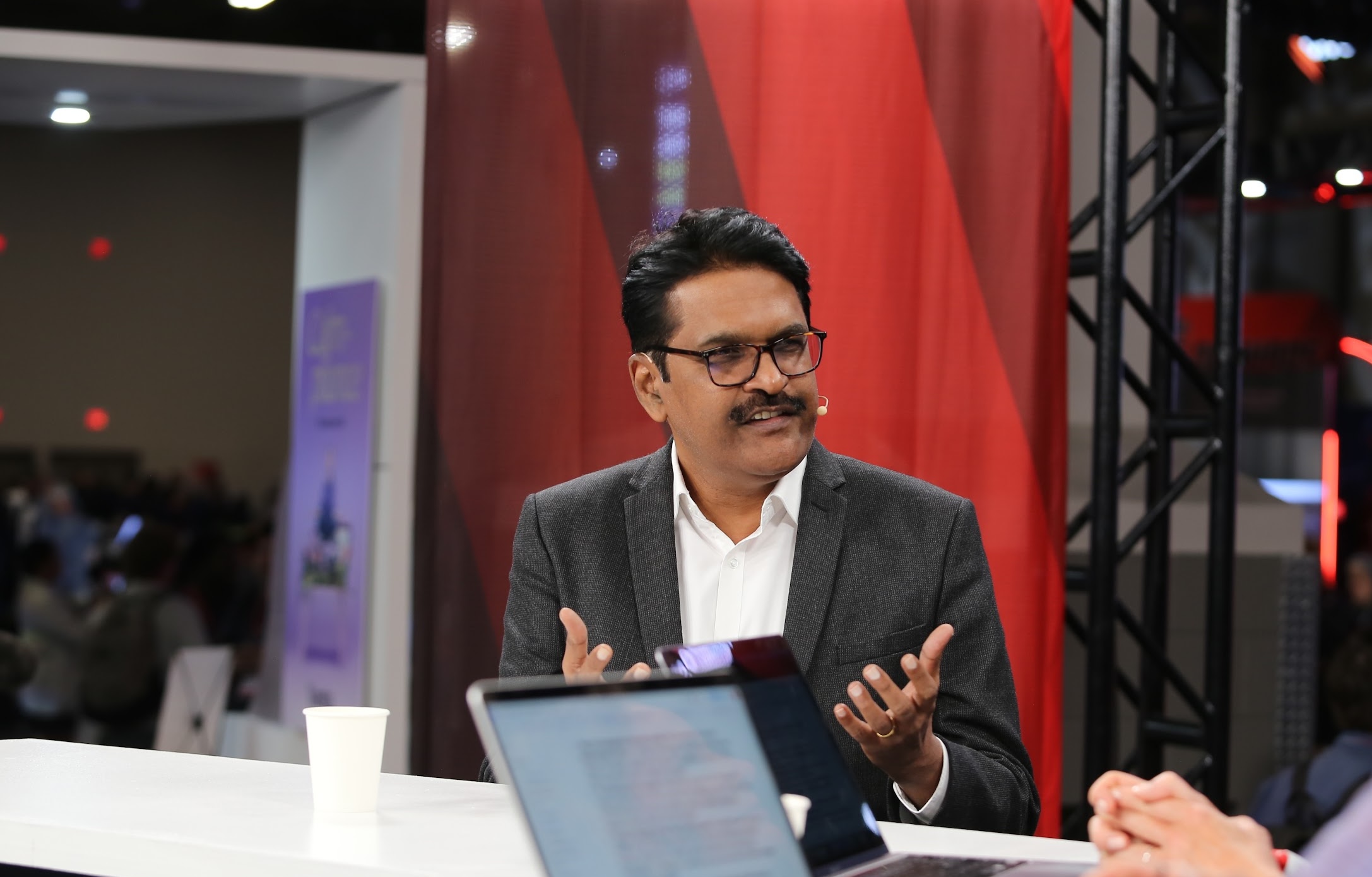
The landscape of enterprise AI security has undergone a drastic transformation, revealing dormant security vulnerabilities hidden for decades. This shift is driven by the emergence of frontier models, which expose software flaws previously unnoticed. Chief information security officers are now compelled to reassess their architectures, not just their tooling, as the threat landscape expands in two directions simultaneously. Both defenders and attackers are gaining leverage from these advancements.
Vishal Salvi, senior vice president and global head of Cognizant's cybersecurity service line, highlighted that AI is reshaping cybersecurity approaches, both in deployment and adversarial AI. Large language models can uncover vulnerabilities that human analysts have missed for nearly three decades, exposing dormant vulnerabilities at scale. This unprecedented risk has never been witnessed before.
Cognizant, which has recently introduced secure AI services to assist enterprises in scaling agentic systems, advises customers to prioritize simplicity over tool accumulation. A more streamlined architecture reduces the blast radius when issues arise, minimizing overall risk. Salvi emphasized that a simplified approach is preferable to using multiple tools, as managing numerous tools increases risk exposure.
Organizations must also contend with the proliferation of non-human identities, with conservative estimates suggesting 50 identities per human and potentially up to 100 in the future. Governing these identities presents a policy challenge that the industry is already familiar with. Establishing consistent policies for non-human identities is crucial to prevent their misbehavior.
Ultimately, Salvi stressed that the cyber world demands more than simply managing and protecting; it necessitates swift action, containment, and recovery. The industry must adapt to these new realities and leverage existing security policies to address the challenges posed by AI-driven security threats.
Written by urgent.news from SiliconANGLE's reporting — not their text. Machine-written — may contain errors; check the original before relying on it.