Whoosh at a juncture
Shuffling Whoosh’s ballooning debt among state balance sheets won't save the region's first HSR service; only hard renegotiations and structural reform will.
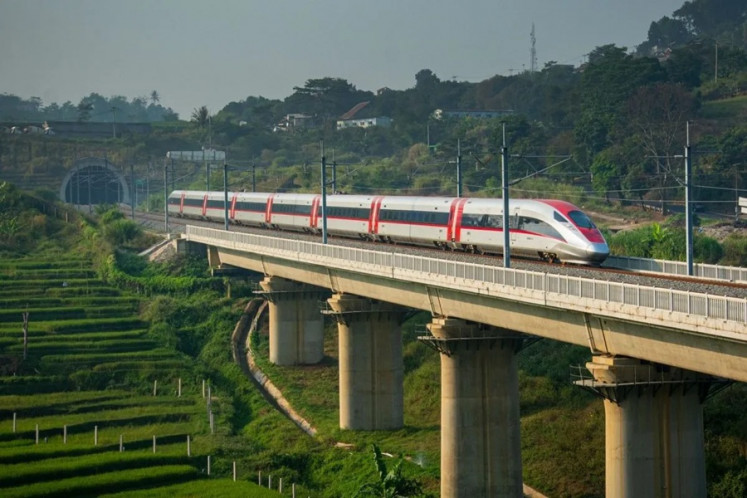
As the Jakarta-Bandung High-Speed Rail (HSR) project encounters mounting debt pressures, policymakers face a critical decision beyond mere financial management. The project, known as Whoosh and managed by a joint venture PT Kereta Cepat Indonesia China (KCIC), has ballooned in cost from an estimated $5.5 billion to $7.27 billion.
Over 75% of this debt is financed through loans from the China Development Bank (CDB), leaving the venture obligated to repay approximately Rp 79 trillion ($4.5 billion) annually at a 3.4% interest rate.
Finance Minister Purbaya Yudhi Sadewa announced plans to transfer these debt obligations from state-owned enterprises (SOEs) to his ministry by September, asserting this would not burden the state budget. However, experts question the feasibility of this move without significant structural reforms to the HSR's operations and how it manages its substantial liabilities to the CDB. The question now is not just about balancing books but determining the government's long-term strategy for the rail service.
The financial strain is evident as PT Wijaya Karya (WIKA), the local consortium leading the project, recorded a net loss of Rp 5.13 trillion in the first half of 2026, surpassing the Rp 4.99 trillion loss from 2025. PSBI, majority stakeholder, absorbed roughly Rp 3 trillion of these losses, highlighting the severity of the fiscal distress. Despite leadership changes, the underlying problems persist, emphasizing the need for fundamental reforms to address the project's financial viability and strategic direction.
Written by urgent.news from The Jakarta Post's reporting — not their text. Machine-written — may contain errors; check the original before relying on it.